As real estate developers, homeowners, and contractors seek more efficient ways to heat homes, there is a growing interest in adaptable, energy-efficient HVAC systems. Factors such as increasing utility costs, changing building codes, and a focus on sustainability are influencing the priorities of both buyers and builders. Homes that offer comfort and climate control solutions that align with these trends are becoming more desirable in today’s market.
AUX AIR USA’s new Inverter Ducted System exemplifies this shift. Designed for new construction and retrofitting existing homes, it offers a streamlined solution that meets efficiency requirements while minimizing installation challenges. Its compatibility with third-party indoor units and energy-efficient design makes it a practical option for real estate developers building modern homes and homeowners looking to upgrade without replacing the entire system.
Meeting Homebuyers’ Demand for Efficiency
For real estate professionals, an energy-efficient HVAC system is more than just a home feature—it’s a selling point. Buyers today prioritize homes with lower operating costs and sustainable design elements, often asking about insulation, energy ratings, and appliance efficiency during homebuying. An inefficient or outdated HVAC system may be a dealbreaker, while a modern system with long-term cost savings can increase a property’s appeal.
The Inverter Ducted System aligns with these buyer expectations by offering several features that improve both comfort and energy efficiency:
- Energy-efficient R32 refrigerant that meets modern environmental standards while reducing long-term costs.
- Consistent heating and cooling in extreme temperatures, giving reliable comfort throughout all seasons.
- Flexible piping configurations support longer distances, allowing for greater adaptability in various home designs.
- Auto-restart functionality that restores previous settings after a power outage, reducing maintenance concerns.
- Broad voltage range protection which helps stabilize performance in areas with power fluctuations.
For developers and builders, installing HVAC systems that already meet upcoming energy standards may reduce the risk of costly retrofits down the line. As more municipalities implement stricter energy efficiency codes, choosing forward-thinking systems can make a difference in long-term compliance and marketability.
The Impact on New Construction and Renovation Projects
New home construction and renovation projects increasingly incorporate energy-conscious designs as the housing market evolves. Builders and investors looking to enhance property value understand that high-efficiency HVAC systems can help reduce energy costs, which may appeal to competitive real estate markets.
For developers working on multi-unit housing or custom homes, a system like the Inverter Ducted System offers flexibility in installation while keeping upfront costs manageable. Because it is compatible with third-party indoor units, builders can select interior components without being locked into a single manufacturer’s system.
In existing homes, homeowners looking to upgrade their HVAC systems with minimal disruption may find the Inverter Ducted System a suitable option. Its flexibility in installation and energy efficiency make it a practical choice for improving comfort and potentially enhancing long-term property value.
AHR Expo 2025 and the Future of Home Climate Control
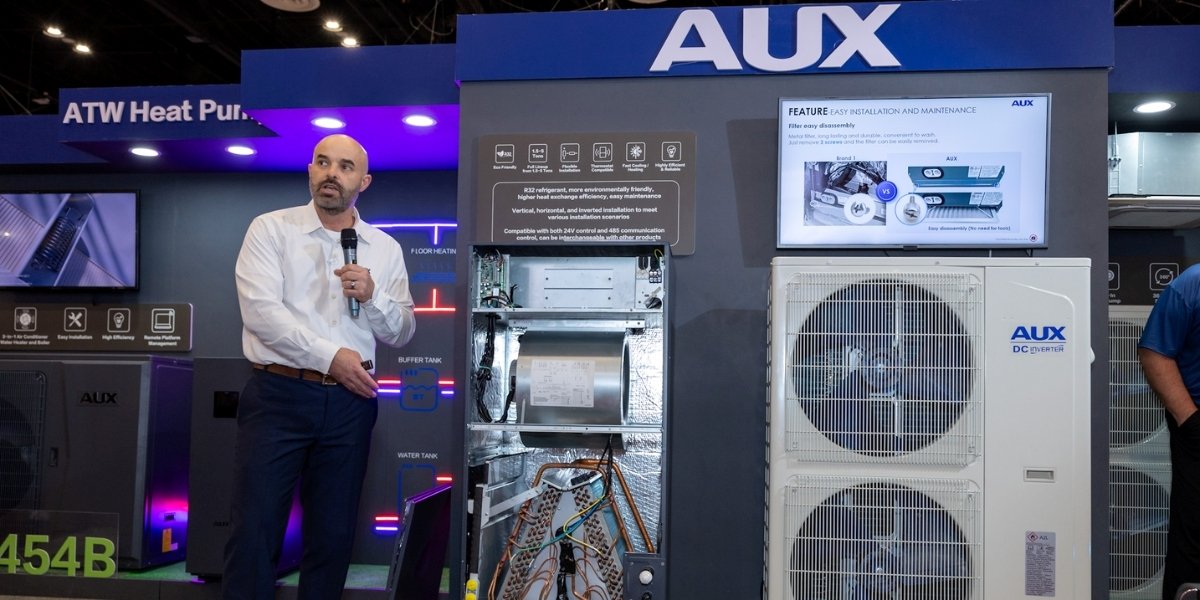
The shift toward more innovative, more efficient HVAC systems was evident at AHR Expo 2025, where manufacturers showcased the latest advancements in home climate control. This year’s event highlighted a growing focus on AI-driven automation, improved indoor air quality, and sustainable refrigerants—trends shaping how new homes are built and existing homes are upgraded.
At the expo, industry experts highlighted how HVAC technology adapts to meet evolving efficiency standards as building codes change. Innovations such as advanced climate control systems, improved heat pump technology, and hybrid solutions that integrate renewable energy sources were gaining attention in the industry.
While the Inverter Ducted System does not incorporate AI or renewable energy, it reflects the broader push toward flexible, energy-conscious HVAC solutions. Its efficiency, installation ease, and regulatory compliance position it as an option well-suited for modern real estate development and home improvement.
The Growing Role of HVAC in Real Estate Decisions
HVAC systems are becoming increasingly important for real estate professionals in home valuation and buyer decision-making. As more homeowners seek energy-efficient features, and as local and federal efficiency standards become stricter, the systems installed in homes today must be able to meet the expectations of future buyers.
Whether for builders planning new developments, investors upgrading rental properties, or homeowners looking to increase resale value, HVAC technology plays a more significant role in shaping real estate choices. The Inverter Ducted System represents one of many solutions to these changes as the industry moves toward more adaptable, sustainable, and cost-effective climate control systems.
Disclaimer: The information provided in this article is for general informational purposes only. AUX AIR USA’s Inverter Ducted System and its associated benefits are based on the manufacturer’s specifications and industry trends at the time of writing. Performance, installation, and energy efficiency outcomes may vary depending on individual circumstances, such as home layout, climate conditions, and maintenance practices. For specific advice or to assess suitability for your property, consulting with HVAC professionals or real estate experts is recommended.
Published by Mark V.