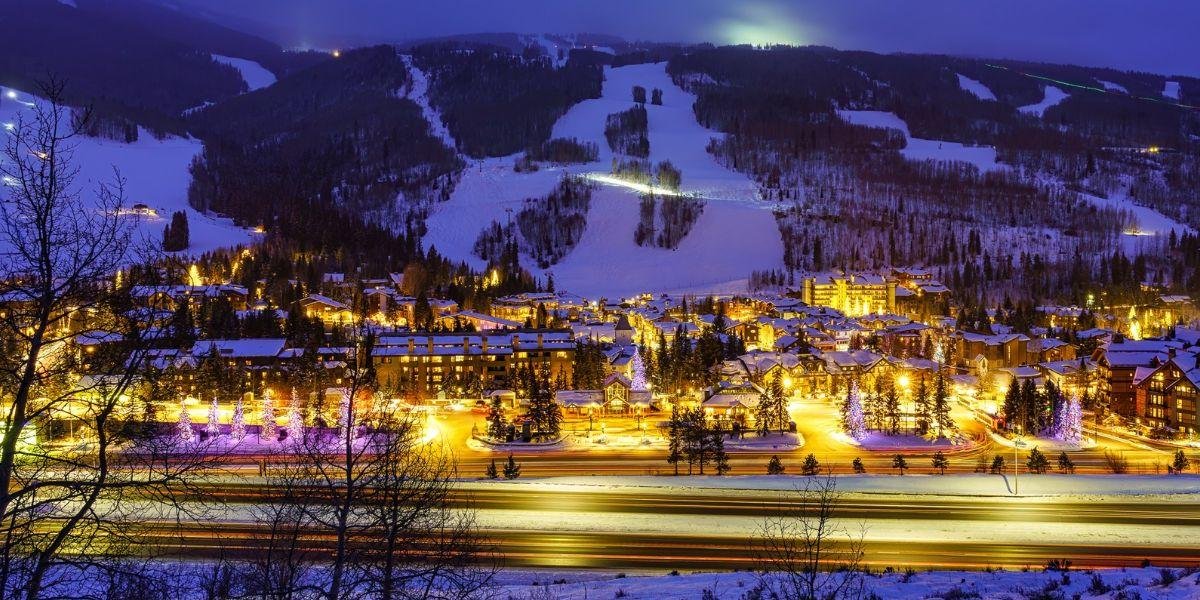
Housing affordability has become a defining problem in resort communities, and Vail, Colorado, is no exception. Nurses, teachers, firefighters, restaurant managers, and snowplow drivers, people who in many markets would be buying a first home, face prices in Vail set largely by second-home demand. The town’s answer has been deed-restricted housing, and demand for it is growing as more buyers understand how it works.
Mark Gordon, broker/owner of Christiania Realty in Vail, recently listed a deed-restricted home that drew five offers above asking, with additional buyers calling about backup positions while it was under contract. He says the result reflects a program that is often misunderstood but works well for the right buyer.
How the Program Works
Through the town’s Vail InDeed program, a buyer who finds a free-market home can receive help from the town toward roughly 20 percent of the purchase. In exchange, a permanent deed restriction is placed on the property. The restriction does not cap price appreciation. Instead, it limits who can occupy the home: the resident must live there full time and work full time in Eagle County. Owners may rent the home out, provided the occupant meets that requirement.
Other deed-restricted homes come with the restriction already in place and are priced accordingly. Timber Ridge Village, a newly built development in town, has approximately 70 of the original over 300 condominiums still available (from studios to four bedrooms) and at prices well below free-market levels. Gordon says those units are selling more gradually, priced toward the upper end of what deed-restricted buyers will pay.
Appreciation Tied to the Local Economy
By limiting buyers to people who live and work locally, the restriction ties a home’s appreciation to the local economy rather than to outside wealth. Without it, Gordon says, a bartender ends up competing for the same house as a hedge fund buyer. The goal is to keep the people who staff schools, hospitals and town boards living in the community alongside second-home owners. “We don’t want to become a cruise ship in the mountains,” Gordon says. “We want to be a real community.”
Ownership Versus Rent
Gordon is clear that buyers who can afford free-market housing should buy it. For those who cannot, he argues a deed-restricted home still compares favorably with renting. Monthly payments are predictable, no landlord can sell the home out from under the occupant, and the owner builds equity, more slowly than in the free market but steadily. “When you are writing a check each month to a landlord, you’re paying for the landlord to build equity,” he says.
Demand Follows Pricing
The perception that deed-restricted homes are hard to sell, Gordon says, usually comes down to pricing. As more buyers and agents understand the trade-offs, demand has grown, and well-priced homes are moving quickly. In that respect, the deed-restricted market behaves much like the free market around it.
About Mark Gordon: Mark Gordon is broker/owner of Christiania Realty in Vail, Colorado, specializing in luxury residential real estate in the Vail Valley. He has worked in Vail real estate since 2008 and is the 2027 President-Elect of the Colorado Association of Realtors. vailcoluxuryhomes.com
Disclaimer: This article is based on information provided by the expert source cited above. It is intended for general informational purposes only and does not constitute legal, financial, or real estate advice. Readers should conduct their own research and consult qualified professionals before making any real estate or financial decisions.