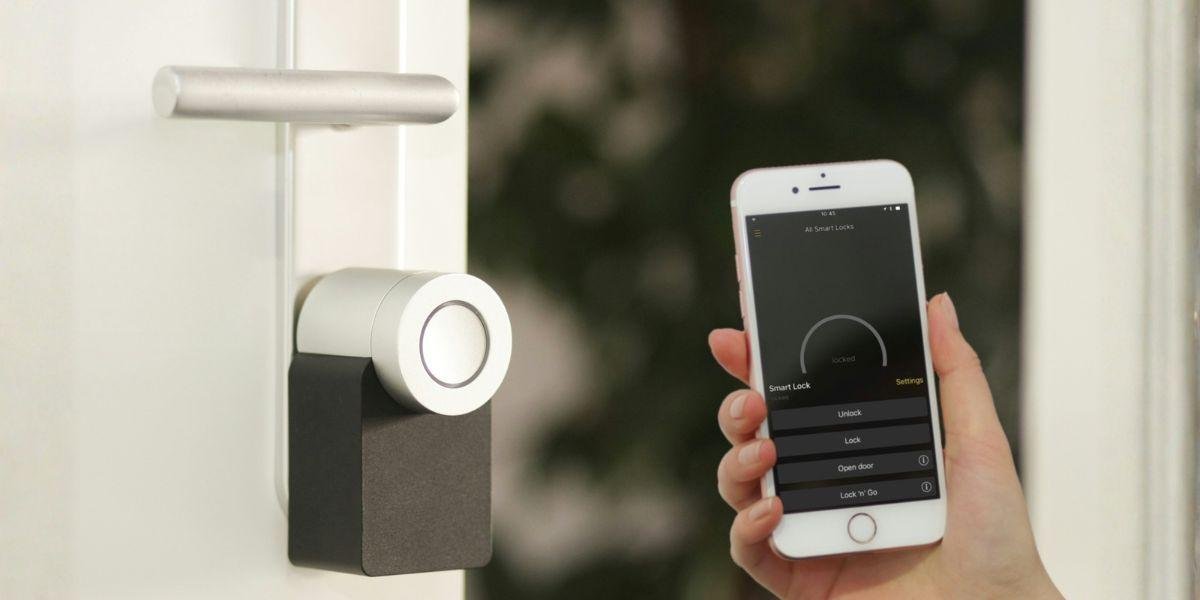
Home security has undergone a profound transformation, merging physical and digital strategies into a cohesive defense against an ever-growing set of risks. As technology becomes more accessible, homeowners face unprecedented convenience and new vulnerabilities. Smart devices, artificial intelligence, and networked systems are increasingly common, yet these advancements require vigilance and adaptability.
Balancing new innovations with caution is critical, as a single oversight can expose households to threats that didn’t exist a decade ago. Yet as Inspirata Management explains, the shift has less to do with adopting new gadgets than with developing an informed and proactive mindset. Home security today demands ongoing engagement and a thorough understanding of the factors at play, and nowhere is that more true than on large estates, where the perimeter is measured in acres rather than feet.
Changing Dynamics in Home Security
Residential security has evolved rapidly, moving far beyond the days of simple locks and alarm systems. Today’s homes now rely on a blend of traditional and modern approaches, adapting as threats and technology change. The “new language” of security refers to a growing focus on integration and intelligence within protective measures. This ongoing shift has led to a broader conversation about what it means to feel safe at home, influencing the products people buy and the way they interact with their surroundings.
Many neighborhoods have seen a rise in systems that combine physical barriers with digital monitoring. Homeowners today might use motion-activated lights, smartphone alerts, and surveillance cameras that blend into daily life, making security both less intrusive and more effective. This shift reflects a broader trend toward safeguarding homes in ways that are subtle yet dependable. On the high-value residential projects Inspirata Management builds, the goal is a property that reads as open and welcoming from the driveway while remaining fully monitored at every approach.
The Role of Artificial Intelligence
Artificial intelligence is reshaping home security, bringing new levels of precision and adaptability. Modern systems can distinguish between a stray animal and a potential intruder, minimizing unnecessary alerts and focusing attention where it matters most. Features such as facial recognition and behavioral analysis are gradually becoming part of everyday protection strategies.
Some households now benefit from security cameras that learn residents’ daily routines, allowing only unusual activity to trigger notifications. As these technologies progress, they are blending into the fabric of residential life, working quietly in the background. The integration of AI into home security means systems can evolve with changing patterns, offering a level of adaptability previously impossible. For estates with household staff, rotating contractors, and frequent guests, that ability to learn who belongs on the property is what makes the system usable rather than a constant source of false alarms.
Smart Home Devices and Connectivity in the Inspirata Management Approach
Smart home technology is now at the heart of many security systems, allowing homeowners to control locks, lights, and cameras from anywhere. Devices like video doorbells and wireless sensors create a network of protection that adapts to different needs and lifestyles. Mobile apps enable users to check in on their property with a quick glance, whether they’re at work or on vacation. The convenience of remote management appeals to busy individuals who want to ensure their homes are safe without being tethered to one location.
In many homes, interconnected devices share information instantly, offering real-time responses to unexpected events. That constant communication improves safety and adds a layer of convenience, allowing security measures to keep pace with modern living. Choosing compatible devices and platforms can make all the difference in building a truly integrated system. The firm plans low-voltage infrastructure, camera sightlines, and sensor placement during the design phase of a build, because a security system that is layered onto a finished home is almost always more visible, more fragile, and more expensive than one designed in from the start.
Digital Security
As homes become smarter, digital vulnerabilities grow alongside physical ones. Hackers have started targeting connected cameras and smart locks, making it essential for residents to prioritize online safety. Changing default passwords, keeping software up to date, and using secure networks can help prevent unauthorized access to these systems. Cybersecurity measures are not just for businesses anymore; every connected household must treat digital security as an ongoing practice.
Manufacturers are responding by introducing advanced encryption and security protocols, though it remains crucial for homeowners to stay vigilant. A single weak point in a networked device can expose an entire household to digital threats, underscoring the importance of a comprehensive approach to protection. It’s also becoming more common for homeowners to invest in cybersecurity tools and support services, reflecting a growing recognition that digital and physical security are now tightly intertwined. On larger properties, Inspirata Management recommends segmenting the home network so that guest Wi-Fi, entertainment systems, and security devices never share the same path, limiting what any single compromised device can reach.
Shifting Toward Proactive Protection
The shift toward proactive security means anticipating risks before they materialize. Predictive analytics now help identify patterns that might signal a potential break-in, prompting pre-emptive action rather than simply responding after the fact. This data-driven mindset transforms security from a passive shield into an active safeguard. Advanced warning systems can even integrate with emergency responders, shortening response times and improving outcomes in critical situations.
Neighborhoods equipped with coordinated smart devices can share alerts, strengthening collective defense and often deterring criminal activity before it starts. This spirit of collaboration can extend to regional partnerships, where information is shared between communities to improve overall safety and awareness.
Keeping up with the latest security trends is vital as technology and threats evolve. Many homeowners turn to local workshops and online forums to exchange tips or updates about new products and risks. Staying engaged ensures that protective measures remain effective and up to date. As Inspirata Management sees it, the most effective residential security is the kind no visitor ever notices, and no owner ever has to think about, because the thinking was done before the first wall went up.