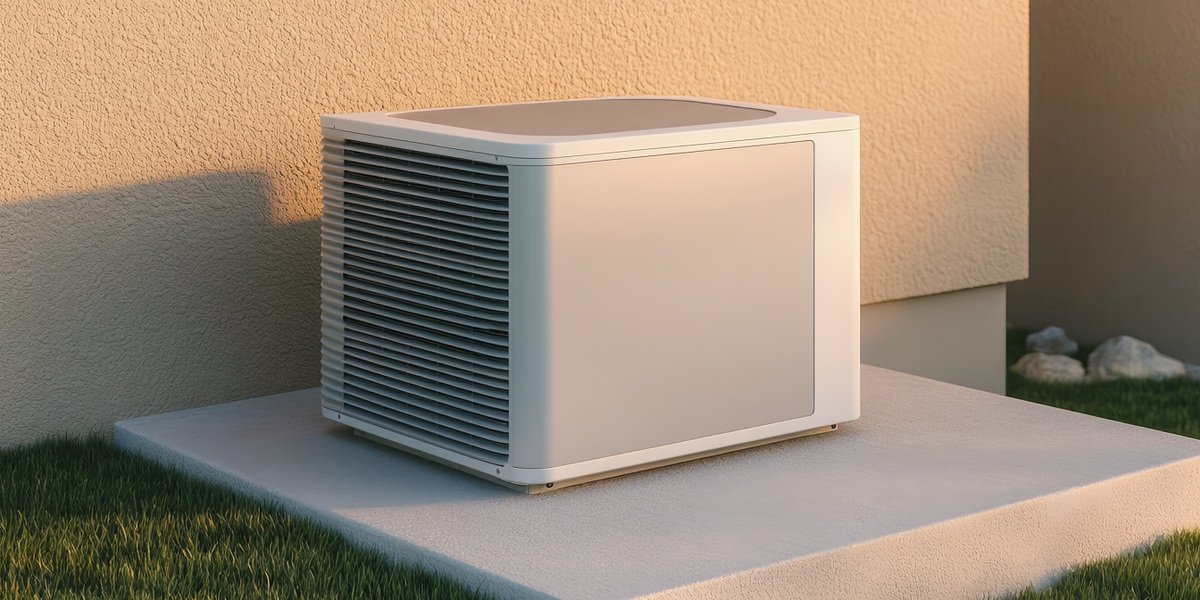
A home’s heating and cooling system, water heater and major appliances rarely get much space in a listing. Buyers see “updated kitchen” or “new flooring.” They are less likely to see how old the furnace is or when the air conditioner was last serviced. Yet these systems shape what a home costs to run and how comfortable it is from the first week.
Buyers know it matters. In the Pearl 2026 National Homebuyer Survey (833 recent and active homebuyers, February 2026), 85% rated information on the condition of the heating and cooling system as very or extremely important. Pearl, which commissioned the survey, rates home performance through Pearl SCORE™. Pearl SCORE™ is the national standard for how homebuyers evaluate home performance. It covers five pillars: Safety, Comfort, Operations, Resilience, and Energy. A home’s major systems fall mainly under Operations.
Why System Questions Belong Before the Offer
Once a buyer is under contract, the timeline is short and decisions come quickly. Asking about systems earlier gives buyers room to plan. If a system is near the end of its typical lifespan, they can budget to replace it after moving in, ask the seller for more records or weigh that cost as they compare homes on their shortlist.
Year built is a useful starting point, but it doesn’t tell the whole story. A home built in the 1980s may have a heating and cooling system that’s only a few years old, while a much newer home may still have its original equipment. The way to know is to ask, and to look for documentation.
Six Questions About a Home’s Major Systems
- How old is the heating and cooling system, and when was it last serviced? Service records show whether a system has been maintained, not just how long it has been in place.
- Is the system sized for the home? Equipment that’s too large or too small for a house can run inefficiently and struggle to keep rooms comfortable.
- What fuel does the heating system use? Electric, natural gas, oil and propane systems carry different operating costs depending on local rates.
- How old is the water heater, and what type is it? Tank, tankless and heat pump water heaters have different lifespans and running costs.
- Which appliances stay with the home, and how old are they?
- Is there paperwork? Manufacturer labels, receipts, warranties and service records turn a seller’s description into something a buyer can verify.
What a Pearl SCORE™ Report Shows About Systems, and What It Doesn’t
The Operations pillar reflects how efficiently a home’s systems work together, including heating and cooling, water heating and appliances. In the Pearl SCORE™ Report, buyers can see what is documented about those systems for a given home. Claimed homes may include system details the owner has added, with photos or model numbers, information a listing typically leaves out.
The report doesn’t predict when a system will fail, and it isn’t a substitute for a home inspection. What it gives buyers is a clearer starting point. If the report shows original heating and cooling equipment in an older home, for example, that becomes a specific question for the seller and a line in the buyer’s budget, not a reason to walk away.
Turning Answers Into a Budget
With answers in hand, buyers can turn them into numbers. A system with years of service left may need only routine maintenance. One that is near the end of its lifespan may call for a replacement fund. Either way, the buyer goes into the offer knowing what to plan for.
During the inspection period, a licensed heating and cooling contractor can evaluate a system’s condition in more detail. Together, the seller’s answers, the Pearl SCORE Report and a professional evaluation give buyers a fuller picture of the systems they are about to own.
About Pearl
Founded in 2013, Pearl is a ratings and standards company building the national standard for home performance. Pearl SCORE™ rates every single-family home in the U.S. across five key pillars, Safety, Comfort, Operations, Resilience, and Energy, so homebuyers, homeowners, and real estate professionals can understand how a home performs in daily life. As a Certified B Corporation, we’re accountable not only to our shareholders, but also to the homeowners and communities we serve. For more information, visit pearlscore.com.
This article is based on publicly available information from Pearl. It is intended for general informational purposes only and does not constitute legal, financial, or real estate advice. Readers should conduct their own research and consult qualified professionals before making any real estate or financial decisions.