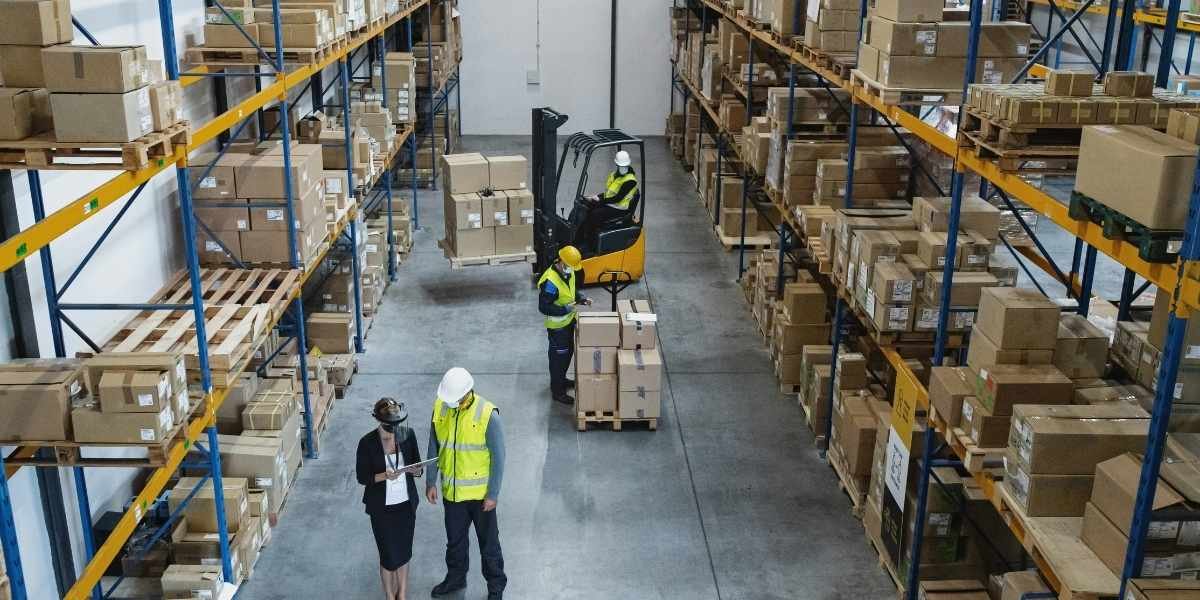
Amazon Supply Chain Services has been introduced to let businesses use the company’s freight, warehousing, fulfillment and delivery network, prompting industrial real estate professionals to evaluate how the expanded offering could influence warehouse demand, distribution strategies and third-party logistics providers.
Key Takeaways
- Amazon introduced Supply Chain Services for business customers.
- Logistics experts say the service could influence warehouse network planning.
- Third-party logistics providers may face stronger competition.
- Modern logistics facilities are expected to remain important for occupiers.
- Businesses may reassess warehouse size, location and distribution strategies.
Amazon has expanded its logistics business with the introduction of Amazon Supply Chain Services, giving businesses access to freight transportation, warehousing, fulfillment and delivery through a single platform. The launch is drawing attention across the industrial real estate sector because companies could reconsider how they lease warehouse space and manage distribution operations.
The service allows businesses to use Amazon’s existing logistics network rather than operating every stage of the supply chain independently. Industrial real estate professionals are evaluating whether broader access to Amazon’s infrastructure could influence warehouse requirements while maintaining demand for strategically located logistics facilities.
What Is Amazon Supply Chain Services?
Amazon Supply Chain Services is a logistics offering designed for businesses that want to move products through Amazon’s transportation and fulfillment network. The service combines freight movement, storage, inventory handling, order fulfillment and final delivery within one platform.
The offering extends Amazon’s logistics capabilities beyond its own retail operations by making its infrastructure available to outside businesses. Companies using the service can integrate different parts of their supply chain through Amazon instead of relying on separate providers for transportation, warehousing and fulfillment.
The launch expands Amazon’s presence in third-party logistics, an industry where businesses outsource warehousing and distribution activities to specialized providers. Industrial property owners, developers and occupiers are reviewing how the service could influence leasing decisions and logistics strategies.
How Could the Service Affect Industrial Real Estate?
Industrial real estate experts say Amazon Supply Chain Services may influence how companies evaluate warehouse space rather than reducing the overall need for industrial facilities.
Businesses that gain access to Amazon’s logistics infrastructure may review the number, size and location of warehouses they operate directly. Companies could determine that some inventory can move through Amazon’s existing network instead of requiring additional dedicated facilities.
Warehouse planning may become more focused on operational efficiency as businesses compare the costs of maintaining their own distribution centers with using Amazon’s logistics platform. Similar considerations have appeared in discussions surrounding commercial property investment in logistics assets as investors evaluate industrial properties alongside other commercial sectors.
Even with those considerations, industrial property demand is expected to remain tied to the operational needs of manufacturers, retailers and distributors that require warehouse space close to customers and transportation networks.
Impact on Occupier Strategies
Occupiers continue to evaluate supply chain costs, inventory management and delivery performance when selecting industrial properties. Amazon’s expanded logistics offering provides another option for businesses seeking to manage those functions without investing in additional infrastructure.
Companies that already operate warehouse networks may reassess how facilities are distributed across different regions. Decisions about expanding, consolidating or relocating warehouses could increasingly depend on how external logistics services fit into broader distribution plans.
Industrial landlords may also see occupiers place greater emphasis on facilities that support efficient transportation links, including access to highways, ports, rail connections and population centers.
Competition Among Large and Regional Providers
Amazon’s entry into a broader logistics role adds another major participant to the third-party logistics market, where companies provide transportation, warehousing and fulfillment services for business customers.
Industry experts have stated that larger third-party logistics providers may be better positioned to compete with Amazon because they already operate extensive transportation networks and warehouse portfolios.
Smaller regional logistics companies may face greater competitive pressure if businesses choose providers capable of offering integrated transportation, storage and fulfillment services at a national scale.
The addition of Amazon does not eliminate the role of existing logistics providers. Many businesses continue to require specialized services, regional expertise or dedicated facilities that support specific operational requirements.
Industrial property owners may continue working with a wide range of logistics companies because warehouse demand remains linked to customer locations, inventory requirements and transportation access.
Why Are Warehouse Location Decisions Becoming More Important?
Warehouse location continues to play a central role in industrial real estate as occupiers seek facilities that support efficient distribution.
Modern industrial buildings remain attractive because they provide features that support logistics operations, including higher clear heights, larger loading areas, trailer parking and infrastructure capable of handling distribution activity.
Occupiers evaluating Amazon Supply Chain Services may still require facilities that meet operational standards for storage, inventory management and product movement. Recent Houston industrial park development plans also illustrate continued investment in warehouse and commercial space designed to serve logistics users.
Developers continue to focus on facilities designed for efficient freight movement and distribution, particularly in markets with established transportation infrastructure.
Role of Major Distribution Hubs
Industrial markets located near ports, interstate highways, rail networks and major population centers continue to play an important role in supply chain operations.
Businesses using Amazon’s logistics network may still depend on facilities within established distribution hubs because proximity to transportation infrastructure supports faster inventory movement and delivery.
Warehouse demand in major logistics markets remains influenced by access to customers, transportation options and available industrial space. Those factors continue to shape leasing decisions for occupiers across multiple industries.
Frequently Asked Questions
What is Amazon Supply Chain Services?
Amazon Supply Chain Services is a business logistics offering that provides access to Amazon’s freight transportation, warehousing, fulfillment and delivery network through a single platform.
How could Amazon’s logistics platform affect warehouse demand?
Businesses may reassess how much warehouse space they lease and where facilities are located as they evaluate whether Amazon’s logistics network can support parts of their distribution operations.
Will Amazon Supply Chain Services impact third-party logistics companies?
The service introduces another large participant in the third-party logistics market, increasing competition while allowing businesses to compare different logistics providers based on operational needs.
Why are industrial real estate experts watching Amazon’s new service?
The launch could influence warehouse network planning, leasing decisions and distribution strategies for companies that use industrial real estate.