Buying an apartment in New York City is one of the largest financial commitments many people will ever make. Whether it’s a pre-war co-op overlooking Central Park, a Brooklyn brownstone conversion, or a modern condominium in Long Island City, ownership often comes with an exciting next step: making the space your own.
Fresh paint and new furniture are one thing. A full renovation is something else entirely.
For many homeowners, remodeling represents an opportunity to improve both quality of life and long-term property value. But experienced professionals say that preserving the value of a real estate investment isn’t simply about choosing premium materials or following the latest design trends. It begins with thoughtful planning long before construction crews arrive.
New York City’s residential housing stock is unlike that of almost any other market in the country. Buildings span multiple centuries of construction methods, each with unique structural systems, plumbing configurations, electrical infrastructure, and regulatory requirements. Layer on co-op boards, condominium associations, Department of Buildings approvals, landmark considerations in certain neighborhoods, and evolving building codes, and a renovation quickly becomes much more than a cosmetic project.
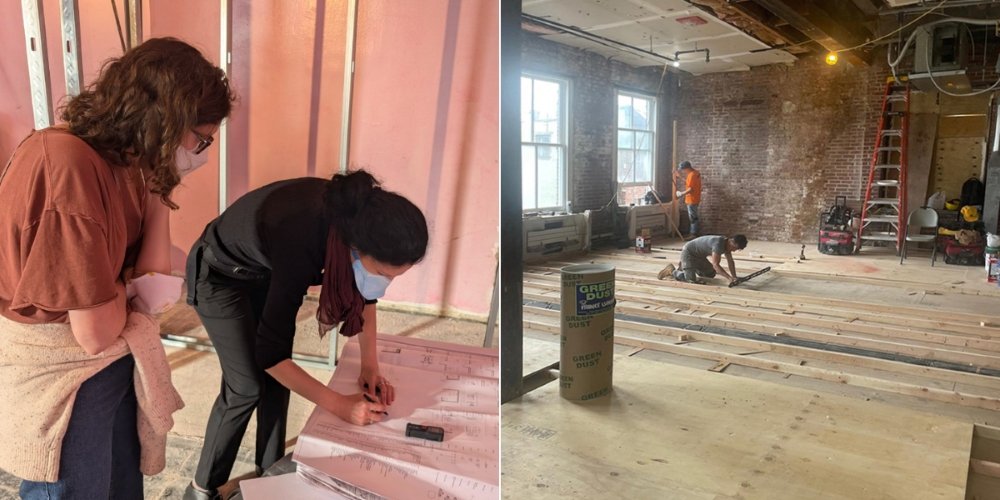
The homeowners who experience the smoothest renovations are often the ones who spend the most time preparing before demolition ever begins.
Apartment Renovation NYC was created to help New York homeowners understand exactly what that preparation should look like. Developed by Lenka Ilic Architecture D.P.C., the educational platform provides practical guidance for owners navigating one of the country’s most complex residential renovation environments.
One of the biggest misconceptions among first-time renovators is believing that construction starts with selecting a contractor. In reality, professionals say construction should begin with understanding what is possible within the apartment itself.
Can a wall actually be removed? Can the kitchen be relocated? Will relocating plumbing affect neighboring units? Does the building permit the work being proposed? Are there code requirements that influence the design?
Answering these questions before requesting contractor bids creates a far more predictable renovation process.
Without that groundwork, homeowners may receive estimates based on assumptions instead of finalized plans. As technical requirements emerge, pricing can change, timelines may shift, and expectations often have to be recalibrated. These aren’t necessarily signs of poor workmanship. More often, they’re symptoms of beginning construction planning before completing design planning.
From a real estate perspective, preparation serves another purpose: protecting the investment itself.
Well-executed renovations can improve functionality, modernize aging interiors, and increase market appeal. However, renovations that require repeated design changes, experience prolonged delays, or fail to account for building requirements can become significantly more expensive than anticipated. Beyond the financial impact, prolonged projects can create unnecessary stress for homeowners eager to settle into their newly renovated space.
Architects help reduce that uncertainty by evaluating feasibility, preparing code-compliant plans, coordinating documentation, and creating a detailed scope of work before contractors begin pricing the project. With complete drawings in hand, homeowners can compare bids more confidently because each contractor is pricing the same defined scope rather than interpreting a concept differently.
That level of clarity benefits everyone involved.
Contractors understand exactly what is expected. Homeowners have greater visibility into costs and scheduling. Building management receives consistent documentation. Most importantly, the project begins with a shared understanding of the renovation’s objectives.
Apartment Renovation NYC also encourages homeowners to educate themselves about common renovation practices specific to New York City, including understanding project sequencing and recognizing marketing claims that may not accurately reflect how professional architectural services are delivered under New York’s regulatory framework. An informed homeowner is often better equipped to ask the right questions before signing contracts or committing to major construction decisions.
There is no way to eliminate every surprise in a New York apartment renovation. Older buildings naturally reveal unexpected conditions once work begins, and every project presents its own unique challenges.
What homeowners can control, however, is how prepared they are before construction starts.
For anyone planning to renovate after purchasing a New York City apartment, investing time in planning may ultimately be one of the smartest financial decisions they make. A renovation should do more than transform a living space. It should protect the long-term value of one of life’s most significant investments while giving homeowners confidence that the process is built on a solid foundation from the very beginning.