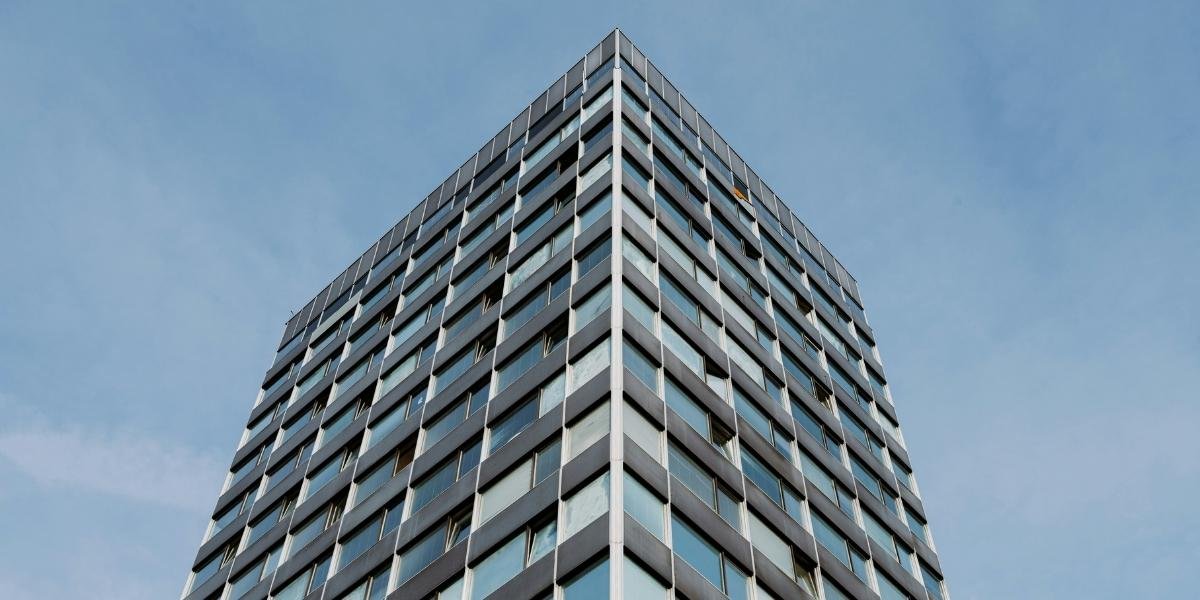
One Moody Plaza auction proceedings officially opened on June 22, placing Galveston’s largest office building into a court-supervised sales process following financial difficulties and declining occupancy at the property. The building’s ownership group and lenders are involved in the proceedings as efforts continue to determine the future of the downtown tower, which remains one of the most recognizable commercial properties on the Texas Gulf Coast.
The sale process marks a significant development for the office complex, which has faced challenges tied to tenant departures and reduced leasing activity. The property has long served as a major office destination in Galveston’s central business district and houses a mix of commercial tenants. The auction is intended to identify potential buyers interested in acquiring and operating the building or pursuing alternative plans for the site.
The office tower occupies a prominent location in downtown Galveston and is widely known for its size and visibility within the city’s skyline. Real estate professionals and local stakeholders are monitoring the proceedings closely because of the property’s importance to the area’s commercial inventory and economic activity.
One Moody Plaza Enters Court-Supervised Sales Process
The auction was initiated after lenders sought legal remedies related to the property’s financial obligations. Court records connected to the proceedings established a process through which qualified bidders can participate in the sale of the building. The process includes requirements governing bidder eligibility, financial disclosures, and deadlines associated with submitting offers.
The tower contains hundreds of thousands of square feet of office space and has been a fixture of downtown Galveston for decades. Ownership interests associated with the property have worked through legal and financial issues connected to the asset while lenders pursue recovery through the auction process.
Commercial real estate auctions are commonly used when owners and lenders seek an organized method of transferring property ownership. Court-supervised sales can provide transparency for interested parties while establishing procedures designed to maximize value through competitive bidding.
The June 22 launch of the auction process represents the beginning of a timeline that could lead to new ownership in the coming months. Prospective buyers may include real estate investment groups, property operators, developers, or organizations seeking a strategic presence in Galveston.
Occupancy Challenges Contributed to Financial Pressure
A decline in tenant occupancy has been among the factors affecting the property’s financial performance. Like many office buildings across the United States, the tower has experienced changes in leasing activity as companies reassessed office space needs and adjusted workplace strategies.
Tenant departures reduced rental income generated by the property, placing additional pressure on ownership. Maintaining a large commercial office building requires significant operational expenditures, including building maintenance, utilities, security, insurance, and property management services.
Office landlords generally rely on stable occupancy levels to support financing obligations and ongoing operating costs. When major tenants leave or reduce leased space, revenue can decline substantially, particularly in markets with a limited number of large office users.
The building’s situation has attracted attention because of its size relative to the Galveston office market. Vacancies within a landmark property can have a noticeable effect on local commercial real estate conditions, especially in a market where a single office tower represents a significant portion of available premium office inventory.
Industry participants have noted that office properties throughout the country continue to face varying degrees of pressure tied to occupancy levels and tenant demand. In Galveston, those challenges became a central factor in the circumstances leading to the auction proceedings.
Property Remains a Prominent Part of Downtown Galveston
The office complex occupies a central position within the city’s business district and has long served as a workplace location for professional services firms, corporate offices, and other commercial tenants. Its presence contributes significantly to downtown activity and employment.
The tower’s scale distinguishes it from other commercial properties in the area. As the city’s only downtown skyscraper, it remains a recognizable landmark visible throughout portions of Galveston Island. The building has played a role in the city’s commercial identity and has been associated with business activity for many years.
Local businesses and economic development organizations are watching the auction process because ownership changes could influence future leasing efforts and building operations. The outcome may also affect investment interest in nearby commercial properties.
Commercial real estate transactions involving landmark assets often generate attention beyond traditional property markets. Buildings that serve as regional landmarks can influence perceptions of economic activity and investment potential within a community.
Potential buyers evaluating the tower will likely consider factors including existing tenant relationships, occupancy levels, maintenance requirements, operating costs, and long-term revenue opportunities. The property’s location and visibility may also play important roles in investment decisions.
Potential Buyers Evaluate Future Uses for the Building
The auction process opens the possibility for a variety of ownership outcomes depending on the interests of participating bidders. Some investors may seek to continue operating the tower primarily as an office property, while others could evaluate renovation strategies intended to attract new tenants.
Commercial real estate investors frequently assess opportunities to improve performance through capital investments, leasing initiatives, or operational changes. A new owner could pursue building upgrades, marketing efforts, or tenant incentives designed to increase occupancy.
Any future redevelopment plans would be subject to local regulations and approvals where applicable. At this stage, the auction process is focused on identifying interested buyers and establishing a transaction framework through the court-supervised sale.
The property’s size and location may attract attention from organizations seeking a substantial presence in Galveston. Investors examining the building are expected to conduct due diligence reviews covering financial records, physical conditions, tenant agreements, and market factors before submitting bids.
Real estate professionals often view landmark commercial assets differently from smaller investment properties because of their influence within local markets. Ownership decisions involving such buildings can affect leasing activity, investment sentiment, and redevelopment discussions in surrounding areas.