By: KeyCrew Media
Second home buyers in New York’s Adirondack Park are treating the house itself as secondary, selecting properties based on proximity to a single outdoor amenity and planning renovations afterward. The pattern is reshaping how brokers match buyers to towns across the region.
The House Is What You Update. The Lifestyle Is What You Buy.
Chase Jermano, a Licensed Real Estate Broker with Tina Leonard Real Estate, LLC, says this dynamic plays out more often than most people expect. Buyers arrive with a preferred activity, whether skiing, boating, hiking, or mountain biking, and once a property delivers on that specific access, the condition of the structure becomes almost irrelevant to the purchase decision.
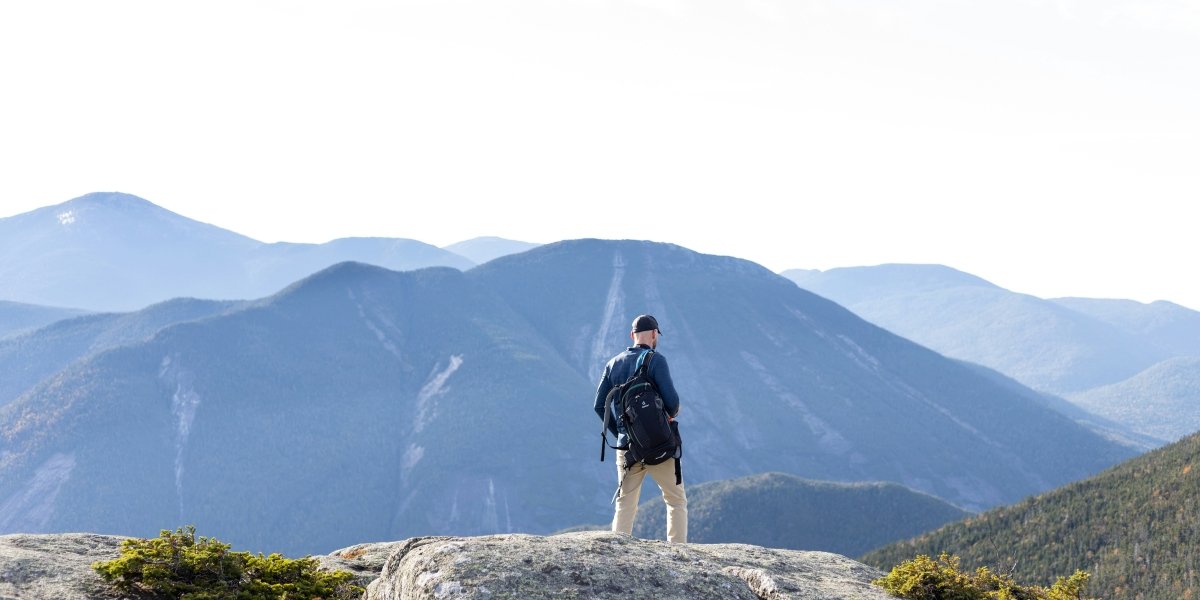
“I’ve had buyers choose a property that wasn’t their favorite, but because it had hiking nearby, had a brook that ran along the edge of the property, in the spring it was more like a raging river, and it had the most stunning mountain views,” Jermano says. “The house is almost secondary because they’re getting the lifestyle right. They treat the house as something they can update.”
He points to a recent closing in Keene where buyers completed a full renovation shortly after taking possession. According to Jermano, the buyers were explicit: they wanted the view and the location. A better-condition property was available, but it lacked the outdoor features that mattered to them.
The Outdoor Experience Converts Browsers Into Buyers
The conversion from casual interest to serious offer rarely happens inside a house. According to Jermano, most second home buyers from metro areas, including downstate New York, northern New Jersey, Connecticut, and Boston, make their decision after a first direct encounter with the landscape.
“Someone gets up, they ski Whiteface for a weekend, or paddle the Saranac chain for the first time,” Jermano says, and the search shifts from whether to buy in the Adirondacks to finding a house that puts them close to the experience they already know they want.
Jermano says the first question he asks a buyer is about their primary activity, not square footage or budget. A skier gets shown properties near Whiteface in Wilmington or Lake Placid. A boater gets steered toward Saranac Lake, where the chain of lakes offers room to navigate and a range of prices. A hiker who wants daily trailhead access without paying Lake Placid premiums gets shown Keene, where high peaks trails begin at the doorstep.
Trailhead Proximity Determines Which Neighborhoods Get Shown
For buyers who want to hike or mountain bike daily, Jermano says proximity to a trailhead is the primary filter that determines which neighborhoods he shows. He draws on personal experience to make the point.
“There’s a real difference between a property that’s in the Adirondacks in the marketing sense and one where you can actually be on a single-track mountain bike trail or a trailhead in under 10 minutes without a highway to drive first,” Jermano says.
When he lived close to mountain bike trails in Lake Placid, he rode nearly every day. After moving to Saranac Lake, where the trails require a longer drive, his riding dropped off sharply. For buyers, Jermano says, distance to a trailhead is not a minor inconvenience; it is the variable that determines whether the lifestyle they are buying actually materializes.
A house in poor condition with a brook on the property line and mountain views may draw more buyer interest than a renovated home a few miles away with no distinguishing outdoor feature. Jermano says buyers in those situations treat the structure as a renovation project and the land as the asset they cannot replicate.
Walkable Towns Still Command the Strongest Resale
Despite the premium on trail and water access, Jermano says walkable-to-town properties currently hold the strongest resale demand, more than most buyers expect in a region associated with remote living.
“A lot of people think it’s so remote here, everybody wants to live in the middle of nowhere,” Jermano says. “But what a lot of people tell us is they want to be able to walk to dinner, coffee, walk to the lake or river without getting back in the car.”
Remote properties with strong trail or water access still sell well, he says, but to a different buyer, one who prioritizes privacy and acreage over convenience. For the broadest resale appeal, villages like Saranac Lake and Lake Placid combine walkability with outdoor access in a way that attracts repeat demand.
Why Outdoor Access Holds Value Here
Jermano says Lake Placid holds value most consistently among Adirondack towns, citing Olympic-level name recognition, year-round events, and limited buildable inventory. Properties there move faster than comparable homes elsewhere in the region.
“Outdoor access isn’t just a lifestyle feature here; it’s definitely more of a scarcity-driven value,” Jermano says. Adirondack Park land-use restrictions limit new development in ways that make existing properties with strong outdoor access increasingly difficult to replicate. Saranac Lake, he adds, is beginning to follow a similar trajectory.
For second home buyers weighing where to purchase, the implication is direct: the outdoor access a property offers is not a bonus attached to the house. It is the scarce asset the house happens to sit on, and in a market where new construction is structurally constrained, that scarcity is what holds long-term value.
Chase Jermano is a licensed real estate agent and broker at Tina Leonard Real Estate, specializing in waterfront, second-home, and investment properties across the Adirondacks, including Lake Placid, Keene, and the surrounding region.
Disclaimer: This article is intended for informational purposes only and does not constitute legal, financial, or investment advice. The views and opinions expressed herein reflect those of the individuals quoted and do not represent an endorsement of any company, product, or service mentioned. Readers should conduct their own due diligence and consult qualified professionals before making any investment decisions.