By: Lee Elliot
For decades, Highlands, North Carolina, has attracted a particular kind of homeowner. They come for the mountain views, cooler temperatures, and slower pace of life, but increasingly, they are bringing something else with them: a long-term perspective on real estate.
As wealth migration continues throughout the Southeast, Highlands has emerged as one of the region’s most desirable destinations for second homes, retirement properties, and family retreats. Yet unlike many luxury markets where trends seem to change every season, the most sought-after homes in Highlands share remarkably similar characteristics.
Chris Braswell of Braswell Construction Group has a close-up vantage point on Highlands’ luxury housing stock. Over the past two decades, Braswell has worked on some of the region’s most architecturally significant homes, giving him a unique perspective on how affluent buyers are redefining value in mountain real estate.
“The luxury market is becoming more sophisticated,” Braswell says. “Buyers are looking beyond finishes and furnishings. They’re paying attention to the quality of the structure itself and how well the home will perform over the next twenty, thirty, or even fifty years.”
That shift is influencing everything from architectural design to material selection.
The Return of Timeless Architecture
One of the most noticeable trends across Highlands is a renewed appreciation for timeless mountain architecture.
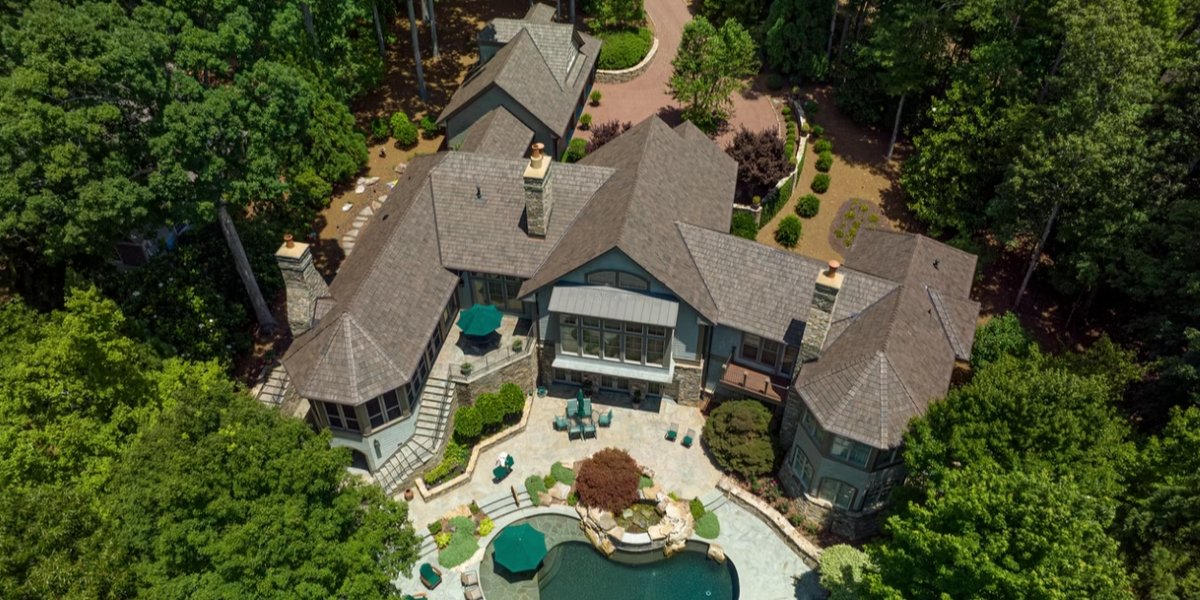
While contemporary homes continue to have a place in the market, buyers are increasingly drawn to designs that feel rooted in the region. Natural stone, exposed timber, cedar accents, and thoughtfully designed rooflines are becoming more important than ever.
The goal is not simply to build a beautiful home. It is to build a home that still feels beautiful decades from now.
Unlike trend-driven design, timeless architecture tends to appreciate more gracefully. It avoids the risk of looking dated after a few years and often contributes to stronger long-term resale appeal.
Buyers Are Looking Beyond Cosmetic Upgrades
Historically, luxury buyers often focused on visible upgrades such as kitchens, outdoor entertaining spaces, and primary suites. Those features still matter, but many homeowners are now digging deeper.
They want to understand:
• How long major building systems are expected to last
• What future maintenance obligations may exist
• Whether materials were selected for performance or simply appearance
• How resilient the property will be during extreme weather events
This shift reflects a broader trend in wealth preservation. Affluent homeowners increasingly view real estate as a long-term asset rather than a short-term purchase.
Why Roofing Has Become Part of the Luxury Conversation
One of the most surprising changes Braswell has observed is the amount of attention buyers are paying to roofing systems.
“The roof used to be something people noticed only when there was a problem,” he explains. “Today, buyers are asking detailed questions about roofing materials, longevity, and performance before they ever make an offer.”
For mountain properties, roofing plays an especially important role. Highlands experiences significant rainfall, seasonal weather fluctuations, and environmental exposure that can challenge lower-quality materials over time.
As a result, many homeowners are choosing premium slate-inspired and shake-inspired roofing systems designed to complement luxury architecture while delivering long-term durability.
Many buyers begin researching options through a trusted Highlands NC roofing contractor when evaluating older mountain homes or planning luxury renovations.
The Rise of Legacy Properties
Perhaps the most significant trend shaping Highlands real estate is the rise of what many professionals now describe as “legacy properties.”
These are not homes intended to be flipped, renovated, or sold within a few years. They are homes intended to remain within families across generations.
That mindset fundamentally changes purchasing decisions.
Instead of asking which materials cost less upfront, buyers ask which materials will create fewer problems for their children and grandchildren.
Instead of prioritizing immediate returns, they focus on durability, stewardship, and preservation.
According to Braswell, this mentality often leads homeowners toward premium materials that offer longer service lives and fewer replacement cycles. One category seeing significant growth is BRAVA composite slate roofing, which combines the architectural appearance of traditional slate with the performance advantages of modern composite materials.
Quiet Luxury Continues to Gain Momentum
Another defining trend among affluent Highlands buyers is the continued rise of quiet luxury.
Rather than emphasizing extravagance, quiet luxury focuses on craftsmanship, authenticity, and quality that reveals itself over time.
The most admired homes are often not the largest or most expensive. They are the homes where every material feels intentional.
From natural stone walls to carefully selected roofing systems, today’s luxury homeowners are increasingly investing in elements that contribute to the home’s long-term character rather than short-term attention.
Many homeowners exploring these options start by researching Highlands slate roofing trends and materials that complement mountain architecture while providing exceptional longevity.
Looking Ahead
As Highlands continues to attract successful entrepreneurs, executives, retirees, and multi-generational families, the market is likely to become even more focused on quality, resilience, and thoughtful design.
For Chris Braswell, the trend is simple to summarize.
“The homes that continue to stand out aren’t necessarily the newest or the most expensive,” he says. “They’re the ones that were built with the future in mind.”
In Highlands, that future-focused approach may be the defining characteristic of luxury real estate in 2026 and beyond.