
By: Shawn Mars
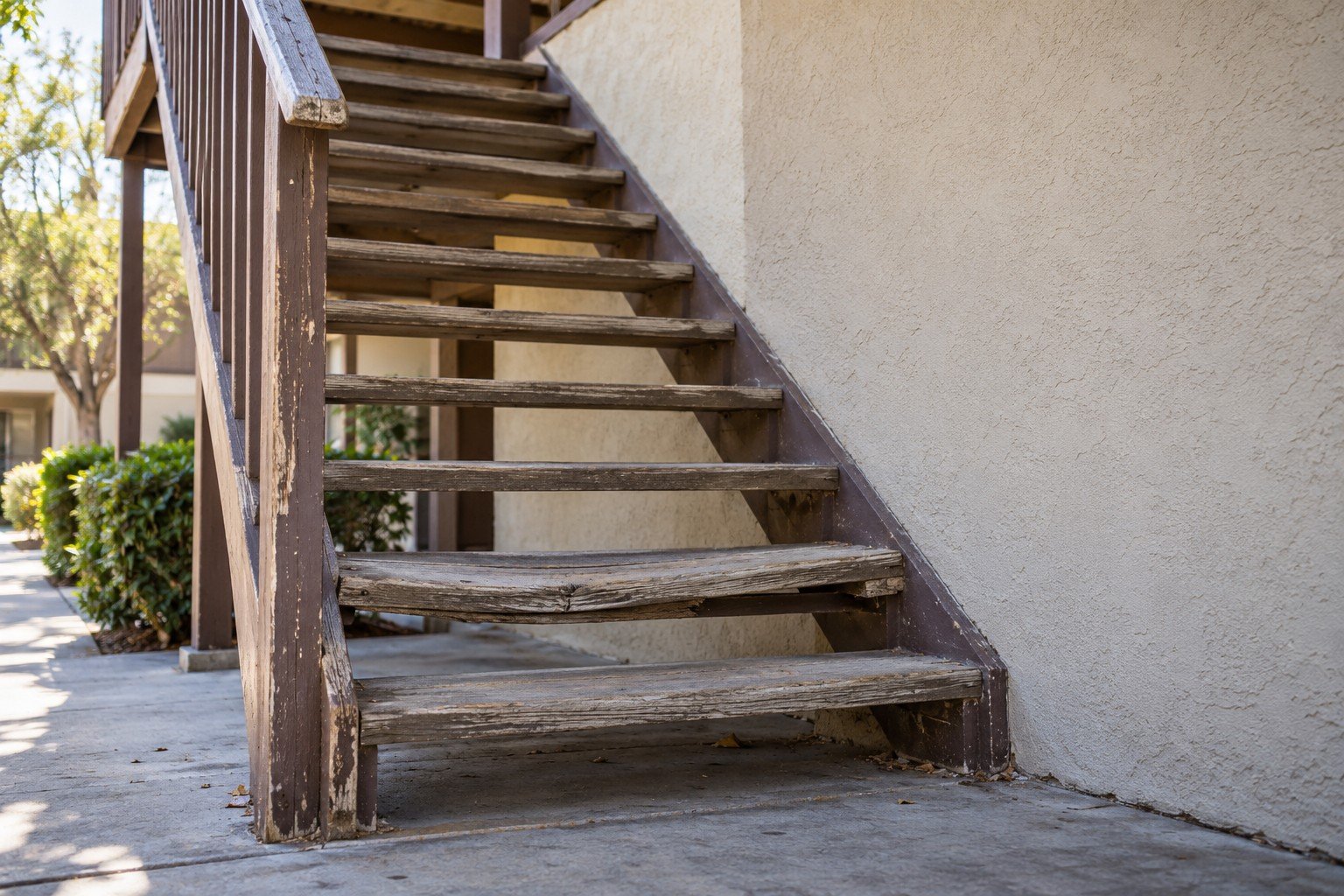
A stair tread on the second floor of an apartment building has worked loose. A tenant notices it on a Monday and sends a text to the property manager. On Thursday, another resident catches a heel on the same step and falls. The hazard was identical before and after that text. What changed, in legal terms, is what the owner can be shown to have known.
That shift sits at the center of how fall claims at rental properties tend to unfold. George Mkrtchyan, Esq., Managing Attorney of Court House Lawyers in Glendale, California, argues that landlord liability for a tenant’s fall often turns on a documented repair request, because that request is frequently what converts a known hazard into provable notice.
For owners and property managers, the same record can be the clearest evidence of a building that was maintained responsibly. The document that can help one side can just as easily help the other.
Where Landlord Liability Starts
California sets a baseline duty for residential owners. Under Civil Code § 1941, a landlord generally must keep a rental building fit for occupation and repair conditions that make it untenantable. Civil Code § 1714 adds the general duty of ordinary care that applies to anyone who controls property.
A duty to repair is not the same as liability for every fall. Where the injury happens can change the analysis. For a fall inside a unit, an injured tenant generally needs to show that the landlord was told about the dangerous condition and did not repair it within a reasonable time. For common areas such as stairways, hallways, parking structures and walkways, the question is usually whether the owner knew or should have known about the hazard.
Both standards come back to the same thing: knowledge. A broken step is a maintenance issue. A broken step the owner was told about and left alone can become a liability issue.
Why the Repair Request Carries So Much Weight
Most of the evidence in a fall claim describes the moment of the fall. A repair request describes the days or weeks before it. That is the window where notice lives.
State guidance points tenants in the same direction. California’s guide to tenant rights advises that a tenant asking for repairs should make the request in writing, and it names a letter, a text message or an email as ways to do it. A dated message, a portal ticket or an email thread can establish who reported the hazard, what they described and when the owner received it.
“A tenant who texts the manager or property owner about a loose step has often done the most useful thing without realizing it,” Mkrtchyan says. “That message can put a date and timestamp on what the property owner knew. Without it, a notice question can come down to one person’s memory against another’s.”
What It Means for Owners and Property Managers
For the real estate side of the equation, the repair request is a risk-management record as much as a legal one. An owner who logs a request, sends a technician and closes the ticket has a timeline showing a reasonable response. An owner whose requests disappear into a voicemail box or a stack of paper has a timeline too, and it may read very differently.
Liability does not always stop with the owner. A property management company can be independently liable when it fails to maintain safe conditions, which makes its intake system part of the picture.
Lease language generally does not erase these duties either. The practical takeaway for owners is less about legal strategy than operations: a repair process that captures, dates, and answers every request creates the record that may later decide whether a fall reads as an accident or as a lapse in maintenance.
What Renters Can Do After a Fall
For tenants, the most useful evidence is often the easiest to lose. Guidance the firm publishes on apartment falls at courthouselawyers.com advises renters to report the fall to building staff and ask for a written incident report, photograph the hazard before it is repaired or cleaned, get medical care the same day, collect witness names, and save every prior complaint, whether it went by text, email, portal or letter. The same guidance notes that surveillance footage is often overwritten on 7- to 30-day cycles.
Timing counts beyond the evidence. The general deadline to file a personal injury lawsuit in California is generally 2 years under CCP § 335.1. Waiting can also mean a hazard gets fixed, a camera loop records over the fall, or a former neighbor moves away.
“The hard part is that the hazard usually gets repaired before anyone thinks to photograph it,” Mkrtchyan concedes. “Owners should fix it quickly, and that is the right thing to do. It just means a renter’s own photos and saved messages may end up being the clearest record of what the step looked like prior to renovations.”
A Record Both Sides Can Read
The dynamic is unusual in personal injury law. The same piece of paper, or the same text thread, can serve the tenant who was hurt and the owner who acted promptly. What it cannot do is go unwritten after the fact. A request that was never sent or never logged leaves both sides arguing from memory.
Mkrtchyan, a member of the California Lawyers Association, practices premises and personal injury law from the firm’s office in Glendale. His view of rental property falls tends to start with the paperwork, not the injury, because the paperwork is often what tells the law how to read the injury.
The loose stair tread in that building was a problem from the day it worked free. The Monday text is what gave it a date. In many fall claims at rental properties, that date can carry as much weight as the fall itself.
Disclaimer: This article is for informational and educational purposes only and does not constitute legal advice. Landlord-tenant laws, premises liability, and personal injury claims vary depending on the specific circumstances of each case. Readers should consult a qualified attorney regarding their individual legal situation.