
U.S. multifamily vacancy rates declined faster than expected as apartment demand strengthened, prompting CoStar to revise its national outlook on November 2, 2026. The improvement signals changing conditions in the rental housing market, where stronger leasing activity is helping absorb available units. For apartment owners, developers and investors, the revised forecast highlights the importance of evaluating occupancy trends alongside rental performance, construction activity and regional housing demand.
Key Takeaways
- CoStar reported a faster-than-expected decline in U.S. multifamily vacancy rates
- Stronger apartment demand contributed to improving occupancy conditions across the rental housing sector
- The company modestly upgraded its national multifamily outlook following the improvement
- Apartment occupancy, rental income and operating expenses remain important considerations for property owners and developers
- Regional differences in housing supply and rental demand continue to influence multifamily market performance
CoStar Reports Faster Decline in U.S. Multifamily Vacancy Rates
U.S. multifamily vacancy rates declined more quickly than previously forecast, according to a November 2, 2026, report from commercial real estate research company CoStar. The company revised its national outlook after apartment demand exceeded expectations and helped absorb available rental housing.
Vacancy rates measure the proportion of rental units that remain unoccupied within a defined property or market. A declining rate generally indicates that more apartments are being occupied relative to the total available inventory, providing an important measure of rental market conditions.
For multifamily property owners, improving occupancy can strengthen rental income by reducing the number of units sitting vacant. Higher occupancy may also influence leasing strategies, tenant retention efforts and decisions about property improvements. However, the financial effect depends on rental pricing, operating expenses and other property-specific factors.
CoStar’s revised forecast reflects an improvement in national apartment market conditions rather than a uniform recovery across every metropolitan area. Local housing supply, population changes and employment conditions continue to influence how individual markets perform.
The report is particularly relevant for developers evaluating future apartment projects and investors assessing existing multifamily properties. Stronger demand can improve the outlook for rental housing, but property-level performance still requires consideration of local vacancy rates, construction activity and operating costs.
Apartment Demand Contributes to Improving Occupancy Conditions
Improved apartment demand was a central factor behind the faster decline in multifamily vacancies reported by CoStar. As more households lease available apartments, properties can absorb existing rental inventory and reduce the proportion of unoccupied units.
Apartment absorption refers to the change in occupied rental units over a given period. When demand for apartments exceeds the number of newly available units, occupancy conditions can improve. The relationship is particularly important in markets that have experienced substantial apartment construction and periods of elevated vacancies.
For property managers, stronger demand can reduce the time required to lease vacant apartments. It may also influence leasing incentives and renewal strategies, particularly where available rental inventory becomes more limited. However, stronger demand does not automatically translate into equivalent rent increases.
Occupancy and rental pricing measure different aspects of market performance. A property can achieve higher occupancy while experiencing limited rent growth, especially when landlords use concessions or competitive pricing to attract tenants.
Operating costs also affect the benefits of stronger leasing conditions. Maintenance, insurance, taxes and property management expenses remain part of the financial equation, regardless of whether vacancy rates improve.
The reported increase in apartment demand therefore provides a positive indication of leasing activity without establishing that every multifamily property will experience higher profitability. Owners must evaluate occupancy improvements alongside actual rental revenue and operating performance.
Revised National Outlook Reflects Changes in Multifamily Market Conditions
CoStar’s decision to revise its national multifamily outlook reflects stronger apartment demand and a faster decline in vacancies than previously anticipated. The adjustment indicates that rental market conditions have improved relative to the company’s earlier expectations.
National forecasts help real estate professionals evaluate broad trends in apartment supply, occupancy and rental performance. Property owners use these assessments when planning leasing operations, while investors and lenders consider market expectations when assessing multifamily assets.
For developers, an improving occupancy outlook can inform decisions about future construction, project feasibility and anticipated rental demand. However, stronger leasing conditions do not eliminate the financial challenges associated with building new apartments.
Recent multifamily construction cost increases remain an important consideration for development budgets. Higher material and construction expenses can affect project feasibility even when expectations for apartment demand become more favorable.
Financing conditions, land costs and the availability of suitable development sites also influence whether new apartment projects move forward. Developers must balance projected rental income against the total investment required to complete and operate a property.
CoStar’s revised national assessment should also be interpreted in the context of regional differences. Metropolitan areas with substantial new rental inventory may experience different occupancy and pricing conditions from markets where apartment construction has been more limited.
The updated forecast offers a broader indication of improving rental demand, but local market information remains essential for evaluating individual properties and development opportunities.
Vacancy Rates Carry Implications for Apartment Owners and Developers
Multifamily vacancy rates are an important measure of property performance because they indicate how much available rental inventory is generating occupancy-based income.
When vacancy rates decline, landlords may benefit from a larger share of units producing rental revenue. Improved occupancy can also reduce certain costs associated with prolonged vacancies, including advertising expenses and repeated leasing efforts.
However, the effect on profitability depends on more than occupancy alone. Rental prices, maintenance requirements, tenant turnover and operating expenses all influence the income a property ultimately generates.
For existing apartment communities, owners must assess whether stronger occupancy is accompanied by sustainable rental revenue. Properties offering significant concessions may achieve higher occupancy without realizing an equivalent improvement in effective rental income.
Developers face a different set of considerations. Occupancy trends can help identify potential demand for additional rental housing, but new construction must also account for the number of competing apartments expected to enter the market.
A decline in national vacancies does not necessarily indicate that every metropolitan area needs more rental housing. Some markets may continue to face elevated competition from recently completed developments, while others may have fewer available units and stronger demand for additional apartments.
Multifamily investors also monitor vacancy trends when evaluating potential acquisitions and existing portfolios. Occupancy contributes to property cash flow, which can influence financial assessments and investment decisions. Nevertheless, vacancy rates alone do not determine property values or investment returns.
Understanding these relationships allows property owners and investors to interpret stronger national occupancy conditions without overlooking differences in local market fundamentals.
Regional Rental Conditions Remain Important to Multifamily Market Analysis
National multifamily vacancy rates provide a broad view of rental housing performance, but conditions can vary considerably between metropolitan markets. Local apartment supply, household formation, employment opportunities and rental pricing all influence occupancy trends.
Markets that recently experienced substantial apartment construction may continue to face competition among landlords as newly completed properties seek tenants. In contrast, locations with limited new development and sustained household demand may experience tighter rental conditions.
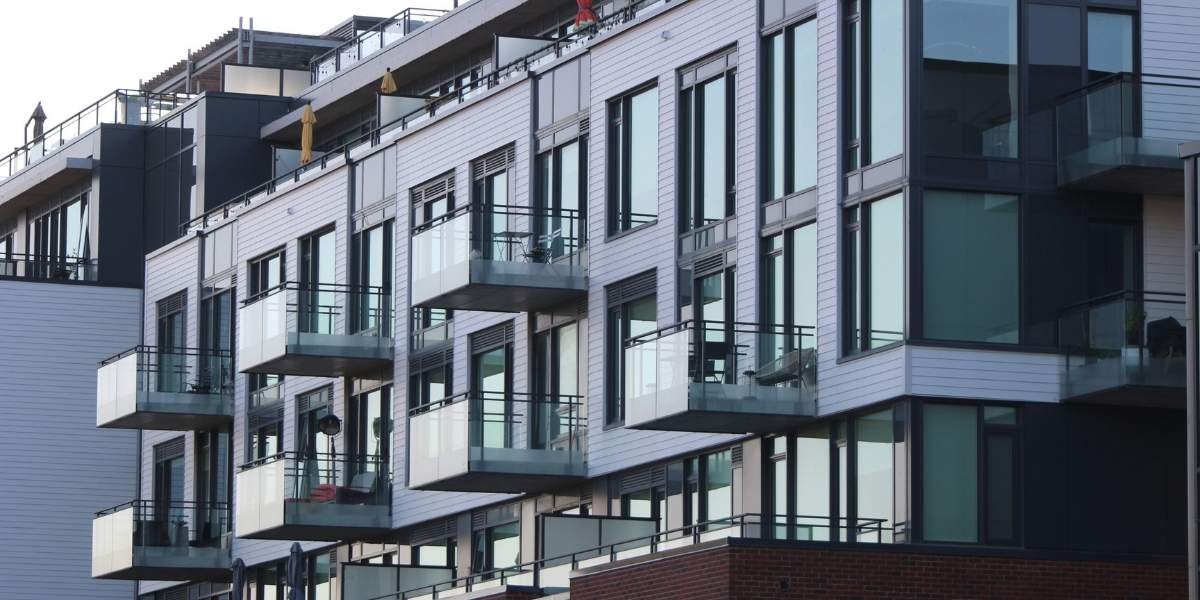
Photo Credit: Unsplash.com
Beyond vacancy figures, local commercial real estate demand indicators based on population growth and migration can provide additional context for evaluating multifamily markets. These measures help identify economic and demographic factors associated with housing demand, although they do not directly measure apartment vacancies or rental prices.
Employment conditions also contribute to rental market performance. Changes in local job opportunities can influence household relocation decisions, while population growth can affect the number of households seeking apartments.
For property owners, regional comparisons are useful when evaluating leasing strategies and rental pricing. A national improvement in occupancy may not accurately reflect conditions in an individual neighborhood or apartment community.
Developers must also assess whether local demand is sufficient to support additional rental housing. Existing inventory, planned construction and expected household growth all contribute to determining whether a market can accommodate new apartment projects.
CoStar’s revised outlook points to improving conditions across the broader U.S. multifamily sector, but local data remain necessary for property-level decisions. Evaluating regional supply and demand alongside national forecasts provides a more complete understanding of apartment market performance.
Frequently Asked Questions
What are U.S. multifamily vacancy rates?
U.S. multifamily vacancy rates measure the percentage of apartment units that are unoccupied within a defined market or group of properties. They are commonly used to assess rental housing occupancy, leasing conditions and market performance.
Why did multifamily vacancy rates decline faster than expected?
CoStar attributed the faster-than-expected decline to stronger apartment demand. Improved leasing activity helped absorb available rental inventory, contributing to lower vacancy rates and prompting an adjustment to the company’s national outlook.
Which organization reported the improvement in apartment demand?
CoStar, a commercial real estate research and analytics company, reported the improvement on November 2, 2026. The company modestly upgraded its U.S. multifamily forecast after apartment demand exceeded earlier expectations.
How do declining vacancy rates affect multifamily property owners?
Declining vacancy rates can increase the proportion of apartments generating rental income and reduce the number of unoccupied units. The financial benefit depends on rental pricing, operating expenses, maintenance costs and tenant turnover.
What does CoStar’s revised outlook mean for the U.S. rental market?
The revised outlook reflects stronger apartment demand and faster improvement in occupancy conditions than previously forecast. It suggests a more favorable national rental market assessment, although individual properties and metropolitan areas may experience different conditions depending on local supply, demand and pricing.