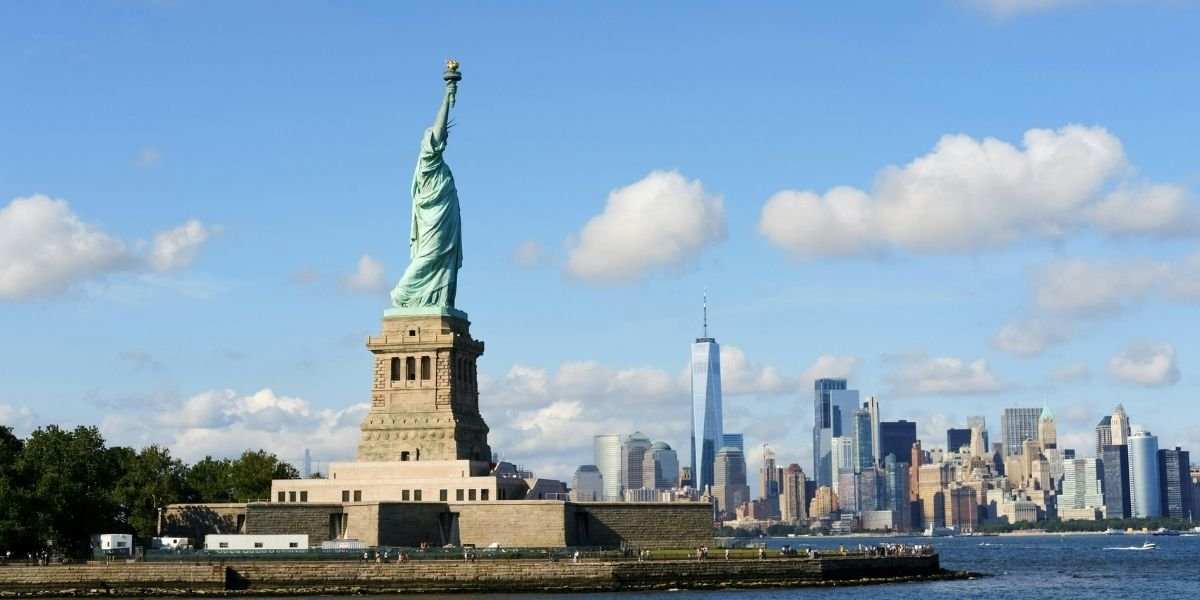
The persistent housing shortage in New York is placing significant pressure on the city’s real estate market, pushing home prices and rents to record highs. Despite efforts from city officials and developers to address the issue, demand continues to outstrip supply, leaving many residents grappling with skyrocketing living costs. The shortage is expected to have long-lasting impacts on affordability and housing availability.
Vacancy Rates Hit Historic Lows, Costs Surge
The latest data from the real estate market shows that vacancy rates across the five boroughs remain near historic lows. In Manhattan, for instance, the median rent has soared to a record $5,000 per month, further highlighting the challenges facing renters. Other boroughs, including Brooklyn and Queens, have seen similar trends, where the supply of available homes and rental units has failed to keep pace with rising demand.
Despite some modest growth in housing stock, competition remains fierce, and bidding wars are still common, even as mortgage rates rise. The median home price in New York continues to climb, further squeezing potential buyers who are already struggling to find affordable options.
Barriers to Addressing the Shortage
The shortage of housing in New York is not a simple problem to solve. Several factors have contributed to this persistent issue:
- Zoning Restrictions: Stringent zoning laws and regulatory hurdles continue to slow down new development. Many neighborhoods are subject to strict zoning codes that limit the construction of new residential units, especially in areas where demand is high.
- High Construction Costs: Builders face rising construction costs due to labor shortages and material price inflation. These increased costs make it more difficult for developers to complete projects affordably, adding pressure to the housing market.
- Limited Land Availability: As New York is a densely populated city, available land for new housing is scarce, particularly in prime locations. This makes it more difficult to meet the growing demand for housing.
- Community Resistance: Community opposition to large‑scale developments is another obstacle. Many residents resist developments that could alter the character of their neighborhoods, leading to delays or cancellations of projects.
Together, these barriers have created a significant bottleneck in housing production, preventing the market from expanding at a rate needed to meet demand.
Impact on Renters and Homebuyers
The housing shortage in New York is hitting renters and potential homebuyers particularly hard. For renters, the situation is especially dire as high rents and limited options force many people to move further from their workplaces or share housing to manage costs.
Younger residents, working families, and lower‑income households are facing displacement pressures, with many unable to afford homes in desirable neighborhoods. The affordable housing crisis in the city continues to worsen as wealthier buyers and investors are often able to secure the limited supply of available properties, leaving less affordable options for others.
In addition to affordability concerns, the shortage has intensified income inequality, as those with greater financial means are able to secure housing while lower‑income families are increasingly pushed out of the city.
City’s Efforts to Ease the Housing Shortage
To address the housing shortage, city officials have proposed a range of solutions, including rezoning initiatives and incentives to encourage affordable housing development. These measures are intended to make it easier for developers to build new homes and apartments, but critics argue that they may not be enough to solve the problem.
Another response is the adaptive reuse of existing structures, such as converting vacant office buildings or underutilized commercial spaces into residential units. This approach has gained traction as a way to quickly increase the housing supply in areas with limited available land.
However, despite these efforts, there is concern that these measures will not be sufficient to tackle the scale of the problem. Many housing advocates argue that more aggressive action is needed to alleviate the shortage, including more comprehensive rezoning policies and greater investment in affordable housing.
Looking Ahead: What Can Be Done?
The housing shortage in New York is expected to continue for the foreseeable future. As demand continues to outpace supply, the pressure on renters, homebuyers, and the real estate market as a whole will likely remain high.
More aggressive policies, including expanded affordable housing initiatives and faster approval processes for new developments, are needed to ease the crisis. Without these changes, the housing shortage will continue to challenge New York’s residents and contribute to rising inequality across the city.
The solutions to the crisis may not be immediate, but the need for action has never been clearer. If current trends continue, the already high rents and home prices may keep climbing, leaving many residents in a difficult position.