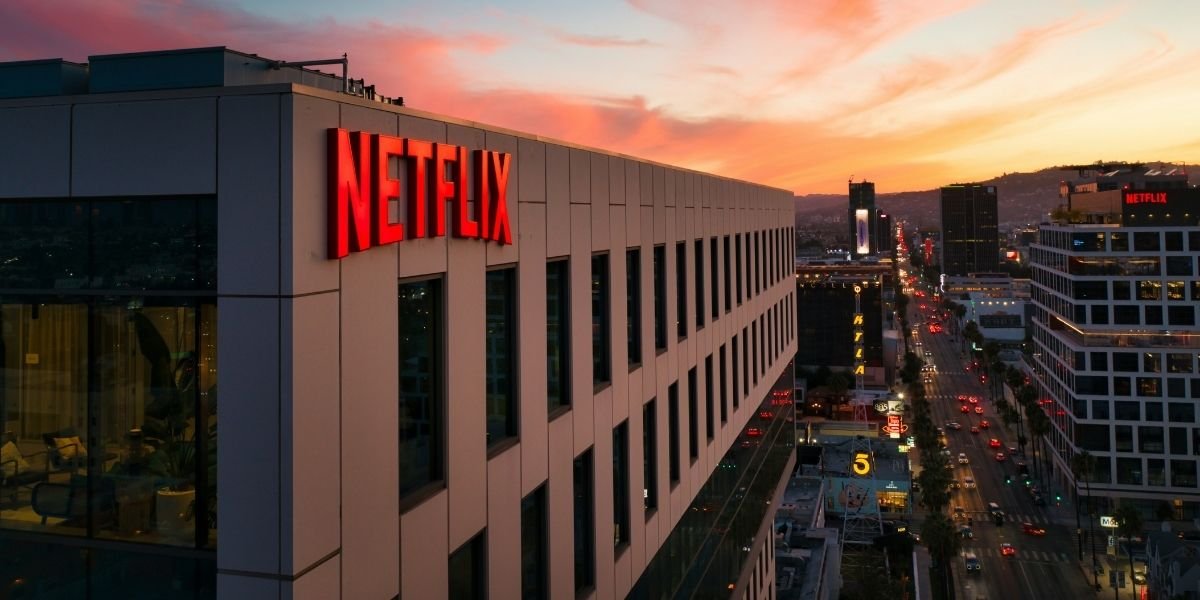
The Hollywood real estate market is undergoing notable changes as a prominent LA studio lot experiences a significant valuation reset, signaling broader trends within the industry. On April 22, 2026, the lot’s appraised value was reduced by over 40% from its peak in 2021. This shift reflects a larger correction in the entertainment and real estate sectors, influenced by rising interest rates and fluctuating demand for physical production spaces.
In a surprising move, Netflix, which has traditionally favored long-term leases, is reportedly nearing the acquisition of this iconic studio lot. The decision to purchase the property is seen as a way to protect Netflix from future volatility in rental prices. Analysts suggest this deal may mark the “bottoming out” of the studio market, providing tech-driven streaming companies a rare opportunity to secure legacy infrastructure at a much lower price.
Netflix’s Acquisition and the Shift to Virtual Production
While the traditional market for studio lots is in decline, the potential for these properties to become hubs for Virtual Production (VP) is on the rise. Netflix’s interest in acquiring this specific studio is primarily driven by the opportunity to convert it into a state-of-the-art VP center. Virtual production has fundamentally changed how content is created, replacing traditional green-screen setups with advanced LED Volumes and real-time rendering technologies.
Netflix’s plans include outfitting soundstages with the latest infrastructure. Expected upgrades to the facility include:
- High-Speed Fiber Rings to handle large-scale data transfers during virtual shoots.
- On-Site Edge Computing to minimize delays in real-time visual effects, especially with the integration of AI tools in filmmaking.
- Sustainable Power Solutions that align with Netflix’s goal of reaching net-zero emissions by 2030.
By acquiring the property, Netflix can make long-term investments in these technologies that would not be feasible under a lease agreement. These upgrades aim to modernize the studio while preparing it for the future of content production.
LA Studio’s Devaluation Mirrors Industry Trends
The valuation reset of this LA studio lot is part of a broader shift within Hollywood real estate. Over the past decade, private equity firms and Real Estate Investment Trusts (REITs) have driven prices for studio properties to record highs, largely fueled by increasing demand for physical space to support streaming services. However, as the industry evolves and new technologies take center stage, the demand for traditional studio spaces has waned.
Industry experts point out that as cloud-based and AI-powered filmmaking tools become more prevalent, the need for large, physical studio spaces has decreased. This, combined with rising interest rates and more cautious financial conditions, has led to a market reset in 2026. As a result, tech-driven companies like Netflix are taking advantage of the lower prices, acquiring properties at a fraction of their former value.
The Digital District Vision and Impact on Local Labor
The move to convert the studio lot into a tech-focused hub has raised questions among Hollywood labor unions and local community leaders. While preservationists are pleased that the lot won’t be demolished to make way for residential development, the shift to a high-tech campus could impact the types of jobs available on site. Union representatives, particularly from IATSE, have voiced concerns about automation reducing the need for traditional manual labor, such as set construction and lighting rigging.
The City of Los Angeles has embraced the transition, aligning it with its “Digital District” initiative. This policy provides tax incentives to companies that repurpose historic studio spaces into technology hubs. By supporting this project, the city hopes to attract skilled software engineers and technical artists, effectively rebranding the region as a global center for advanced media production.
What This Means for Hollywood’s Studio Real Estate
The devaluation of the LA studio lot represents a significant turning point in Hollywood’s real estate market. As Netflix moves forward with plans to acquire the property, the focus is shifting from traditional studio spaces to tech-integrated facilities capable of supporting modern production techniques. This could set a new precedent for other streaming services and traditional studios, signaling a future where high-tech, high-utilization studios take priority over sprawling, underused lots.
Other media companies, such as Warner Bros. Discovery and Paramount Global, may follow Netflix’s example. With the market for traditional studio lots cooling, these companies may look to offload or repurpose their own assets to remain competitive in a tech-driven market. Investors are turning their attention to facilities that can meet the growing demand for advanced production capabilities, rather than focusing on speculative growth.
The Future of LA Studios
As Netflix moves ahead with its plans to acquire the LA studio lot, Hollywood’s studio real estate market is shifting. Virtual production, along with tech-driven transformations, is reshaping how content is made. The acquisition is just one example of how the entertainment industry is evolving, with companies like Netflix at the forefront of this digital shift. While this transformation brings opportunities for tech innovation, it also presents challenges for traditional labor models. Moving forward, it’s clear that the future of LA studio lots lies not in their physical space but in the digital infrastructure that drives modern media production.