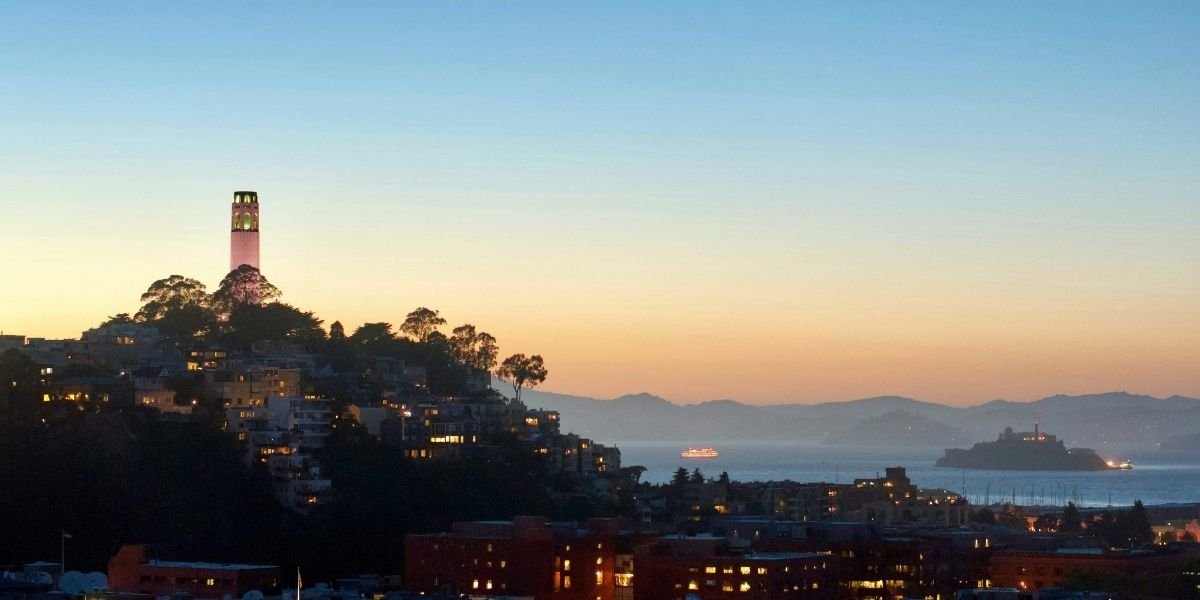
The auction for the 600 California Street office tower, located in the heart of San Francisco’s Financial District, concluded with no third-party bids submitted. The 20-story Class A office building, which offers approximately 360,000 square feet of office space, was set for a foreclosure sale due to loan distress and subsequent financial challenges faced by its previous owner.
Overview of the Foreclosure Process
The 600 California Street property was scheduled for foreclosure after a series of loan defaults and receivership proceedings. Despite its prime location near San Francisco’s City Hall corridor, the auction failed to generate any third-party interest. Instead, the property was acquired through a credit bid, which allowed the debt holder, Lone Star Funds, to gain ownership by canceling the outstanding loan balance tied to the asset.
Previously valued at over $300 million during more prosperous market conditions, the property has seen a significant decline in its appraised value. In 2024, the office tower was appraised at approximately $109 million, highlighting the ongoing challenges within the San Francisco office market. The building was originally financed by Goldman Sachs, with Lone Star Funds assuming ownership through the credit bid process after acquiring the debt position from the original lender.
The Role of WeWork in the Building’s Financial Troubles
WeWork, a co-working company, had once occupied a sizable portion of the office tower before facing its own financial troubles. The company significantly reduced its leased space in the building prior to filing for Chapter 11 bankruptcy protection in 2023. Public court filings and reports confirm WeWork’s restructuring activities, which involved multiple leased locations across the United States, including 600 California Street.
The decline in WeWork’s occupancy played a crucial role in the financial instability of the property. As WeWork scaled back its footprint, the building’s vacancy rates increased, further exacerbating the financial difficulties and leading to the loan default that ultimately resulted in the foreclosure auction.
Lone Star Funds Takes Ownership
Following the foreclosure auction, Lone Star Funds assumed ownership of 600 California Street through a credit bid. This transaction is part of a common process in distressed real estate situations, where the holder of a secured loan can acquire the underlying property by canceling the debt obligations tied to it. The use of a credit bid structure streamlines the foreclosure process, allowing the loan holder to recapture the asset without having to rely on third-party bidders.
The property, which was previously serviced under the original loan arrangements, had undergone a series of transitions in ownership and loan servicing prior to being transferred to Lone Star Funds. The building now remains under the control of the private investment firm, which will likely assess the property’s future potential within the San Francisco commercial real estate market.
Commercial Real Estate Market Conditions in San Francisco
The foreclosure of 600 California Street highlights the ongoing struggles within the San Francisco office market. Vacancy rates in the city have remained elevated as many companies continue to adopt hybrid or fully remote work models, reducing the demand for traditional office space. The commercial real estate market in San Francisco, once one of the most robust in the country, has faced significant headwinds as businesses reevaluate their office needs amid changing work trends.
Office vacancy data from commercial real estate firms such as CBRE and CoStar shows a continued softening in demand for office spaces throughout the city. While Class A office buildings like 600 California Street still offer prime locations and high-end amenities, the broader economic factors and shifts in how businesses use office space have contributed to the challenges facing properties in the region.
Outlook for 600 California Street and San Francisco’s Office Market
With Lone Star Funds now holding the title to 600 California Street, the future of the property remains uncertain. While the building offers significant square footage in a desirable location, its prior struggles with occupancy, particularly due to WeWork’s reduction of leased space, will likely shape how the property is managed moving forward.
The San Francisco office market, overall, faces a challenging future, as companies continue to weigh the costs and benefits of maintaining physical office spaces. While there may still be demand for premium office locations, the changing landscape of work, along with increasing vacancy rates, will present ongoing challenges for both landlords and tenants in the city’s commercial real estate sector.
The Impact on San Francisco’s Commercial Real Estate Market
The foreclosure of 600 California Street underscores the current volatility in the San Francisco office market, particularly in the wake of significant tenant departures and shifting work patterns. While the property’s location and size may appeal to future tenants or investors, the building’s history of financial troubles and the broader market conditions will influence its future use and value.
For now, the building remains under the ownership of Lone Star Funds, which will likely explore options for revitalizing the property or repurposing it to align with current market demands. However, the outcome of this foreclosure process serves as a reminder of the challenges that still exist within San Francisco’s office market, especially as businesses continue to adapt to new ways of working.