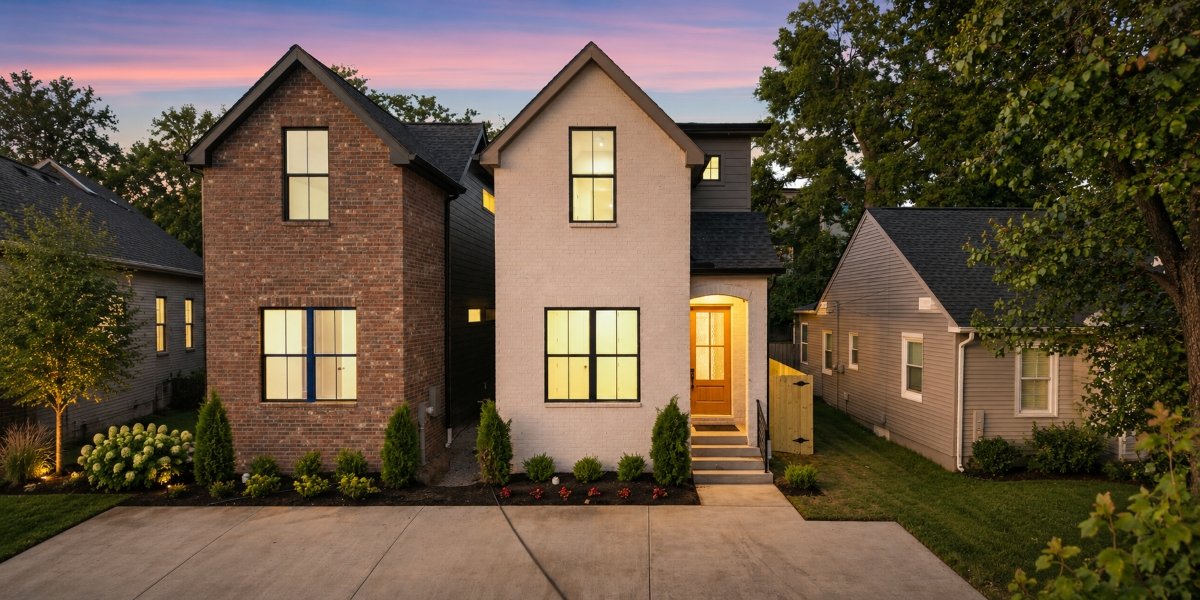
Before a construction project reaches the job site, its direction has already been shaped by decisions about land, use, cost and design. Those decisions are closely connected. A site layout affects infrastructure requirements. A proposed use influences architectural needs. Material selections can change a budget that initially appeared workable.
EastGrove Development, a Nashville-based development and construction company, organizes its services around those connections. Working across commercial and residential projects in Middle Tennessee, the company coordinates stages that property owners might otherwise manage through separate professionals and businesses.
Its scope includes preconstruction planning, budgeting, civil engineering coordination, architectural coordination, permitting, horizontal development, vertical construction and interior selections. The objective is to keep the practical requirements of a project connected as it moves from an initial concept toward delivery.
That process begins with evaluating the property and the proposed investment. Company background material describes an approach shaped by its owners’ experience in business and real estate investing. Questions include whether construction costs are realistic, whether a proposed use makes sense for the site and whether the anticipated project can support its financing and operating expenses.
EastGrove says it has declined projects when its underwriting indicated that the numbers did not work. That is a consequential part of the company’s approach: the initial review can determine whether a proposal proceeds, changes direction or requires further investigation before an owner commits additional resources.
Co-founders Pishoy Zaki and Peter Zaree bring experience in property evaluation, development and construction to that work. Zaree’s commercial brokerage background adds a perspective on acquisitions and potential future uses, while Zaki’s published profile describes involvement in reviewing site layouts, municipal requirements and development strategies.
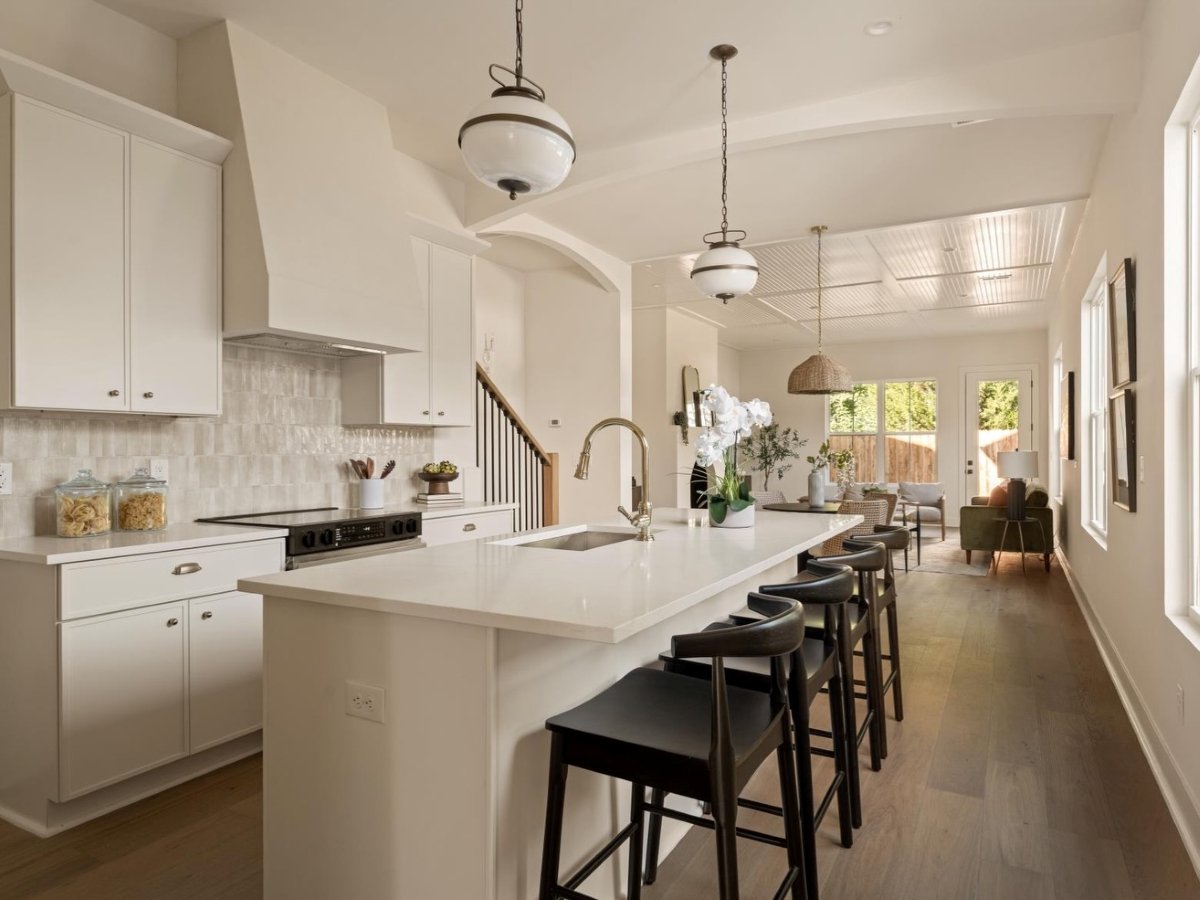
The company’s reported portfolio includes custom homes, townhomes, hospitality projects and commercial retail and fuel developments. Those categories involve different design and operational considerations. A custom residence calls for decisions about layouts and finishes; a commercial property also requires attention to the needs of its intended business use.
The range is reflected in projects identified in the company’s published portfolio: a 13,500-square-foot custom home in Lebanon, a four-unit custom home development in Brentwood and a 23,000-square-foot retail and gas station development in Old Hickory. Together, these examples give scale and specificity to EastGrove’s residential and commercial work. They also show why the team must coordinate around the requirements of each property, rather than assume that one building plan will suit every assignment.
Across those assignments, coordination means making sure decisions reach the people who need them. Engineering requirements can affect design. Design changes can affect quantities and costs. Interior choices can influence purchasing and scheduling. Bringing those discussions together creates an opportunity to identify conflicts while plans are still being developed. A revised layout, for example, may require another look at engineering needs, material quantities and the timing of related work.

EastGrove describes quality, speed and communication as its operating principles. The company connects speed with maintaining momentum and resolving issues while preserving workmanship. Communication supports that effort by keeping clients and project participants informed as decisions arise, rather than treating updates as a separate administrative task.
The scope also extends to finish and material selections, connecting choices that clients experience directly with earlier planning and budgeting discussions. Those details remain part of the overall project rather than an isolated final step.
For property owners, the significance of this model lies in how a project is organized. An initial concept needs financial scrutiny, technical input and a sequence of decisions that remains coherent through construction. EastGrove’s approach places those responsibilities within a coordinated process, using the relationship between development planning and building work to guide a property from evaluation through final selections.