The Industry Nobody Trusts
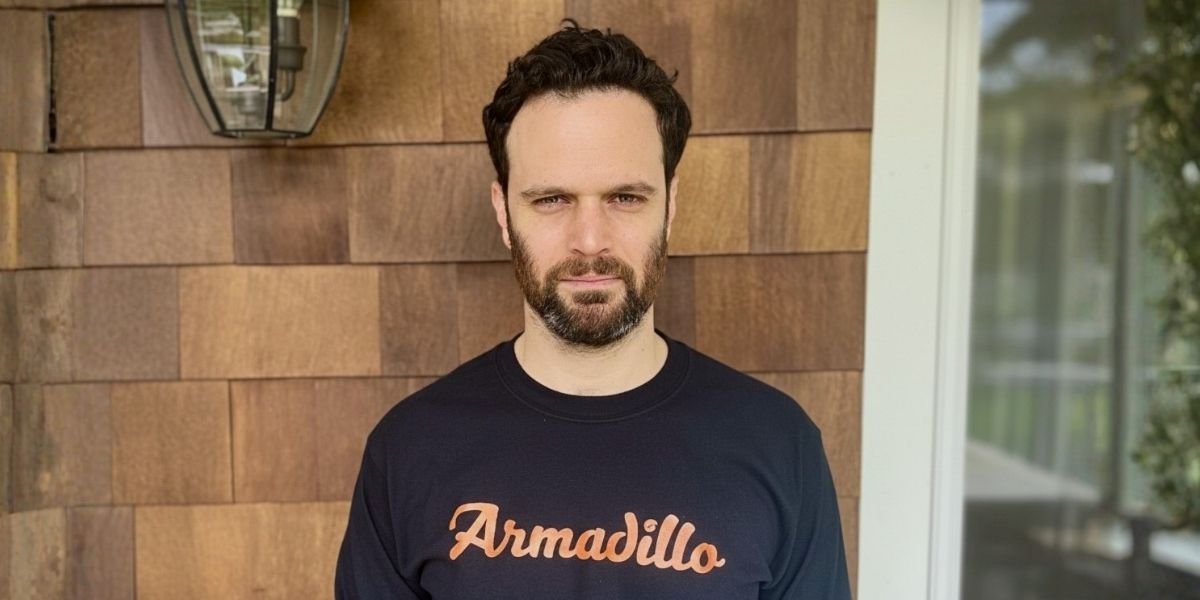
Home warranty companies face a credibility crisis of their own making. With a background in traditional insurance at AIG, Matan Slagter, CEO and Co-Founder at Armadillo, saw this clearly from the start. The numbers tell a damning story: while homeowners’ insurance enjoys around 88% attachment rates thanks to mortgage requirements, home warranty coverage languishes at around 4-5% adoption.
The gap isn’t just about optional versus mandatory coverage. It reflects decades of broken promises and poor service that homeowners remember and share online. The industry’s reputation problem isn’t abstract or speculative. It lives in countless negative reviews where customers detail experiences with unprofessional technicians, endless wait times, and companies that seemed more interested in denying claims than solving problems.
Where Math Meets Mission
Slagter brings an unusual combination to the CEO role: the analytical precision of an actuary paired with genuine commitment to customer experience. This isn’t the typical startup founder profile, and that’s exactly the point.
His actuarial training provides discipline in an industry where many competitors may not even understand what an actuary does. Slagter applies mathematical rigor to pricing, ensuring products generate profit while building in enough margin to deliver exceptional service. It’s a delicate balance that requires both technical skill and philosophical commitment.
Rather than chasing growth at any cost, the standard venture-backed playbook, Armadillo’s approach emphasizes sustainable expansion. Prices reflect real risk and genuine service capacity. The goal is building a business that can scale responsibly while maintaining quality, not burning through capital to inflate user numbers.
Communication as Core Product
Armadillo’s tracking system draws inspiration from an unlikely source: Domino’s Pizza. But the parallel runs deeper than a clever interface.
“What became clear to me is that coverage alone doesn’t determine how homeowners feel. Communication does. Two homeowners can receive the same thousand dollars for a refrigerator replacement, yet have completely different experiences. It comes down to how clearly you communicate, how long people wait, and whether they understand the reasoning behind the decision.”
The technical challenge is significant. Home warranty companies sit between homeowners and technicians in a fragmented ecosystem. Providing real-time updates means integrating with contractor dispatch systems, parts supplier networks, and service scheduling platforms. Most companies consider this too complex or too expensive to solve properly.
Slagter sees it differently. As consumer expectations rise across every category, transparency becomes non-negotiable. Homeowners expect the same clarity and control they get tracking a pizza delivery or a FedEx package. The companies that can’t deliver that level of visibility will lose to competitors who can.
The Choice Nobody Else Offers
Perhaps Armadillo’s boldest decision is giving customers actual choice in how service happens. Homeowners can use Armadillo’s vetted technician network or their own trusted contractors. No other major warranty provider offers this option upfront.
The traditional model made obvious business sense. Companies built exclusive technician networks and negotiated volume discounts, keeping costs low and margins predictable. But this efficiency came at a price: customer satisfaction plummeted. Reviews consistently highlighted the same frustrations with network technicians who arrived late, provided poor service, or left problems unresolved.
Some newer startups tried the opposite approach, offering only reimbursement models where customers find and pay their own contractors upfront. This solved one problem but created others.
Armadillo built technology that supports both models simultaneously, adapting based on customer choice. The investment in dual-track systems seemed counterintuitive. The data vindicated the approach: a meaningful portion of claims now use the self-service option, and customer satisfaction metrics reflect the value of choice.
Growing Up, Not Just Growing Fast
Startup culture worships speed. Move fast and break things. Blitzscale. Growth at all costs. Slagter explicitly rejects this orthodoxy.
“We want to build a business that’s kind of a flywheel. It just keeps going no matter what. It doesn’t need any one person in there. The processes work very well. The technology is robust and scalable, and we want to grow in a way where that is economically viable.”
This philosophy reflects Armadillo’s investor mix. Some backers come from venture capital, bringing urgency and growth ambitions. Others built and sold companies without institutional capital, prioritizing profitability and operational discipline. The tension between these perspectives could be destructive. Instead, it creates productive balance.
The result is a company designed for longevity rather than spectacle. Systems and processes that can scale. Technology built to last. Economics that work without constant capital infusions. A business that employees and investors can trust will be around for the long term.
What Comes Next
Market projections suggest home warranty could reach $13.6 billion by 2030, nearly tripling from current levels. If that happens, the category will likely evolve beyond simple repair and replacement.
Preventative maintenance represents an obvious expansion. Rather than waiting for systems to break, warranty companies could help homeowners maintain HVAC, plumbing, and appliances proactively. Some newer players have experimented with handyman services and broader home care offerings. The boundaries of the category remain fluid.
But expansion means nothing without fixing the foundation. Home warranty needs companies willing to acknowledge past failures honestly, question assumptions that no longer serve customers, and build business models that balance profitability with genuine value creation.
Slagter has observed this pattern across industries: organizations continue doing things the way they’ve always been done, gradually losing sight of why those practices made sense initially. In an industry defined by its poor reputation, the simple act of asking whether current practices still serve customers may be the most radical form of innovation available.
Rebuilding from the Ground Up
The home warranty industry doesn’t need marginal improvements or clever marketing that papers over structural problems. It needs fundamental reimagining by companies willing to do the hard work of earning trust one customer interaction at a time.
That means transparency when it’s technically difficult. Choice even when it complicates operations. Sustainable growth instead of reckless expansion. Actuarial discipline combined with genuine customer empathy.
It’s not just a good business strategy. In an industry that has spent decades destroying its own credibility, it’s the only viable path forward. Trust, once lost, can only be rebuilt through consistent demonstration of new values. Armadillo is placing a bet that homeowners will notice the difference and reward companies that put their interests first.
The market will ultimately decide whether that bet pays off. But for an industry desperately in need of change, someone had to be willing to try.