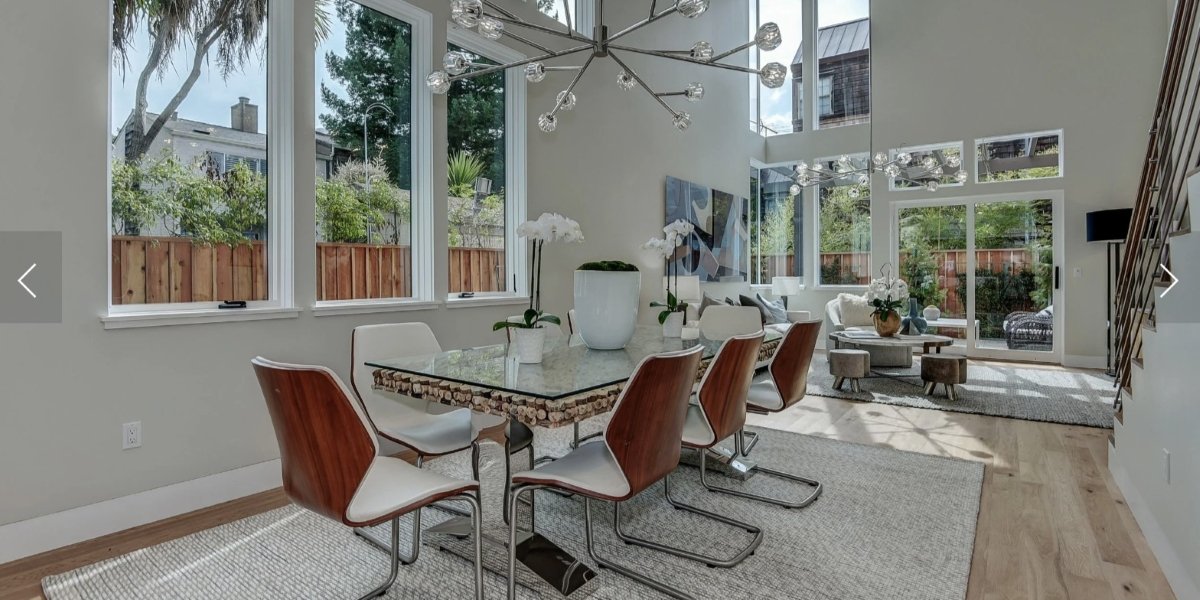
A boutique collection of residences adapted for Silicon Valley’s aging, design-conscious community.
In one of the most sought-after real estate markets in the country, a small but notable property has quietly opened its doors just blocks from downtown Palo Alto: Arris by Channing House, a 13-residence community that reflects a broader shift in how senior living providers are rethinking retirement.
Acquired in October 2025 by Channing House, a longstanding Life Plan Retirement Community in Silicon Valley, the property sits within easy reach of downtown Palo Alto and Stanford University. This location commands premium interest in any residential segment, and one that senior living providers have historically struggled to access, given land scarcity in dense, high-value markets like this one. With the Life Plan structure, Arris residents pay a one-time entrance fee along with a monthly services fee that includes healthcare services and amenities, as well as the peace of mind that their needs are covered as their healthcare needs may change.
A Boutique Footprint, Not a Campus
Unlike the sprawling, impersonal continuing-care campuses that typically define the retirement living sector, Arris occupies a distinctly smaller, boutique-style footprint: ten apartments, two townhomes, and a one-of-a-kind penthouse residence, each with its own distinct floor plan and character rather than a cookie-cutter template. The interiors lean into a California-modern aesthetic, with full kitchens, high-end appliances, in-unit laundry, and private outdoor space- thoughtful details not typically found in most traditional senior living communities. Reserved parking and EV charging round out the amenity package, a sign of Channing House’s intent to offer a standard of convenience that competes with anything else available in Palo Alto.
The Gap Behind the Opportunity
The timing behind a community like Arris is backed by data that points to a real gap in how older adults are currently living. According to AARP’s Home and Community Preferences research, 75% of adults 50 and older want to remain in their current home as they age, and 73% want to stay in their current community, but only an estimated 1 in 10 U.S. homes is actually built to accommodate someone safely aging in place. That gap between what older adults want and what existing senior living can deliver points to a real shortage in the options available to them.
It isn’t that older adults reject the idea of a new home outright: AARP data shows 45% would relocate if it meant finding a residence better suited to their changing needs, and 56% specifically want a home that can adapt over time, with 53% prioritizing built-in accessibility. The demand, in other words, is for a residence that can flex with them, paired with the reassurance of support close at hand. This is precisely what Arris is offering at a small scale in one of the country’s most in-demand real estate markets.
Freedom, Paired with Support
Arris arrives at a moment when senior living providers nationally are paying closer attention to residents who want greater independence without sacrificing access to services. That preference shows up clearly in the data: if no longer able to live independently, 60% of older adults say they’d rather stay in a residential setting and receive care there, compared with just 18% who’d choose assisted living and 1% who’d choose a nursing home. By pairing private, individually designed residences with proximity to Channing House’s existing care infrastructure a few blocks away, dining, wellness programming, transportation, and a full continuum of care, Arris offers something of a hybrid: the autonomy of a private residence, layered onto institutional-grade support, without residents ever having to build or staff that infrastructure themselves.
“Today’s older adults continue to redefine what retirement looks like as they seek greater flexibility, independence, and opportunities to remain active and engaged,” said Rhonda Bekkedahl, CEO of Channing House. “Arris was created at the intersection of freedom and belonging, offering the autonomy of a private residence while connecting residents to the services, amenities, and sense of community that support long-term well-being.”
The property’s name is drawn from the architectural term for the line where two surfaces meet, an apt reference for a community positioned at the intersection of two things that have long felt separate: the privacy of a home of one’s own, and the security of service-integrated senior living.
Why Location Matters
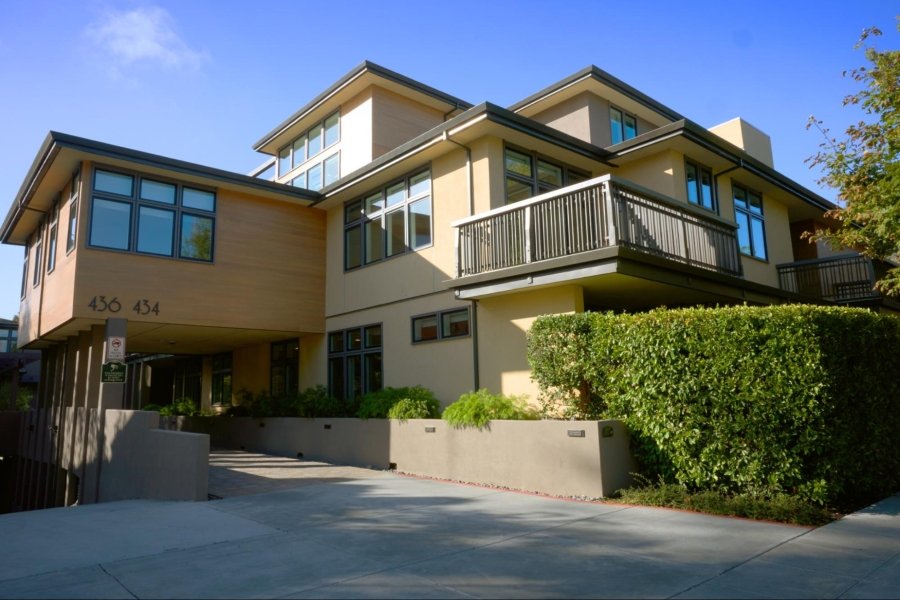
For a market like Palo Alto, where land constraints and Stanford’s gravitational pull drive some of the highest per-square-foot values in the country, Arris’s location may prove to be its strongest asset. Residents have direct access to the cultural, intellectual, and social infrastructure of downtown Palo Alto and Stanford, paired with the ease of maintenance-free living, a combination that providers targeting this demographic elsewhere in the country simply cannot replicate without comparable proximity to a major urban or academic core.
“For more than six decades, Channing House has evolved alongside the needs of our community,” Bekkedahl said. “Arris represents the next chapter in that legacy, expanding the choices available to older adults who want the freedom of independent living with the confidence that comes from having trusted services and support close at hand.”
Arris is an impressive addition to Palo Alto as a proof of concept for boutique, service-adjacent retirement living in land-constrained, high-demand markets, and as a direct answer to a documented gap between what older adults want and what’s currently available to them; it’s a community worth watching for providers considering similar opportunities elsewhere.
For more information about Arris by Channing House or to schedule a private tour, contact Leigh-Anne Anderson at landerson@gauger-associates.com.