A long distance move from California succeeds or fails before the truck leaves the driveway. Boxes get mislabeled. Timelines slip. A sofa that fit the old house does not fit the new hallway. If you are building a long distance moving guide for California, start with the route, the inventory, and the crew. That order saves time, reduces stress, and keeps your belongings safe from Sacramento to anywhere in the U.S.
Families leaving Sacramento, CA, often head to Texas, Arizona, Nevada, or the East Coast. Each route has its own rhythm. A crew that lists long distance movers Sacramento among their services already knows those patterns. You still need a plan your household can follow.
Why Long Distance Moves Need a Different Plan
Local moves punish bad packing. Long distance moves punish bad planning. A two-hour delay on a local job is annoying. The same delay on a cross-country move can push delivery into the next week.
Long distance relocations add layers that local moves do not have:
- Multi-day transit and possible storage
- State line rules and registration timelines
- Utility handoffs across time zones
- School and work start dates that cannot move
Treat the move like a project with a critical path. That mindset keeps you from losing days to small mistakes.
Build a Timeline That Survives Real Life
Start eight to ten weeks out for a cross-state or cross-country move. Adjust if you are downsizing or handling a complex sale.
Eight to ten weeks out
- Decide what stays, what goes, and what gets sold or donated.
- Request estimates from at least three licensed interstate movers.
- Check school transfer deadlines and work start dates.
- Book travel if you are flying ahead of the truck.
Four to six weeks out
- Begin packing low-use rooms: guest rooms, storage closets, seasonal items.
- Gather medical, dental, and veterinary records.
- Notify landlords or schedule final walkthroughs.
- Confirm building rules at both ends: elevator reservations, parking, and insurance certificates.
Two weeks out
- Pack daily items last. Keep a clear “do not load” zone.
- Back up computers and label all electronics with room and setup notes.
- Confirm utility shutoff and start dates. Overlap by one day if possible.
- Share the move-day schedule with everyone in the household.
Move week
- Defrost the fridge and empty the garage.
- Confirm the crew lead’s contact info and the delivery window.
- Keep important documents, medications, and valuables with you, not on the truck.
This timeline is a baseline. Adjust for your situation, but keep the sequence: plan, pack, confirm, execute.
How to Vet Long Distance Movers Without Getting Lost in Marketing
Online ratings help, but they are not the whole story. Use them as a filter, not a verdict.
- Look for patterns, not single reviews. Repeated mentions of “on-time delivery” or “damaged dresser” matter more than one extreme post.
- Check dates. A company with strong reviews from three years ago and silence since may have changed crews or owners.
- Read the middle. Five-star posts can be generic. One-star rants can be about issues outside the mover’s control. Three- and four-star reviews often describe the actual experience.
Ask each company for references from recent long distance jobs that match your route. A legitimate team will share names or at least describe similar moves they have handled.
Licensing and Insurance: What to Ask For
Anyone can print a logo. Real licensing and insurance show up in paperwork.
- Ask for the U.S. DOT number and verify it on the Federal Motor Carrier Safety Administration (FMCSA) website.
- Confirm cargo coverage for your items, not only general liability.
- Request a copy of the bill of lading and the inventory list before loading.
If a mover hesitates, treat that as a red flag. You are not asking for anything unusual. You are asking for proof they can operate across state lines.

Questions That Separate Pros from Day Labor
Use the same script with every company. Compare answers side by side.
- How many long distance moves do you complete per month from California?
- What routes have you worked recently? (Sacramento to Texas, Arizona, East Coast, etc.)
- Do you offer direct drive or will my items be transferred between trucks?
- What is your policy for delays caused by weather or mechanical issues?
- How do you handle high-value items: pianos, art, safes, and servers?
- Who is the crew lead on load day, and how do I reach them during transit?
- What is the delivery window, and how do you communicate changes?
Vague answers produce vague move days. A professional team will walk through your specific constraints and explain how they handle each one.
A Simple Ratings Framework You Can Use Yourself
Create a one-page scorecard. Rate each company from 1 to 5 on these items:
- Licensing and insurance clarity (DOT number, FMCSA status)
- Long distance experience on your route
- Communication speed and detail
- Packing and wrapping standards
- Inventory process and documentation
- Review patterns (last 12 months)
- Transparency on what they will and will not move
Add notes under each score. “DOT verified, direct drive confirmed, inventory list provided” is more useful than “seems good.” This sheet becomes your tiebreaker when two quotes feel similar.
Where Service Pro Movers Fits in a California Shortlist
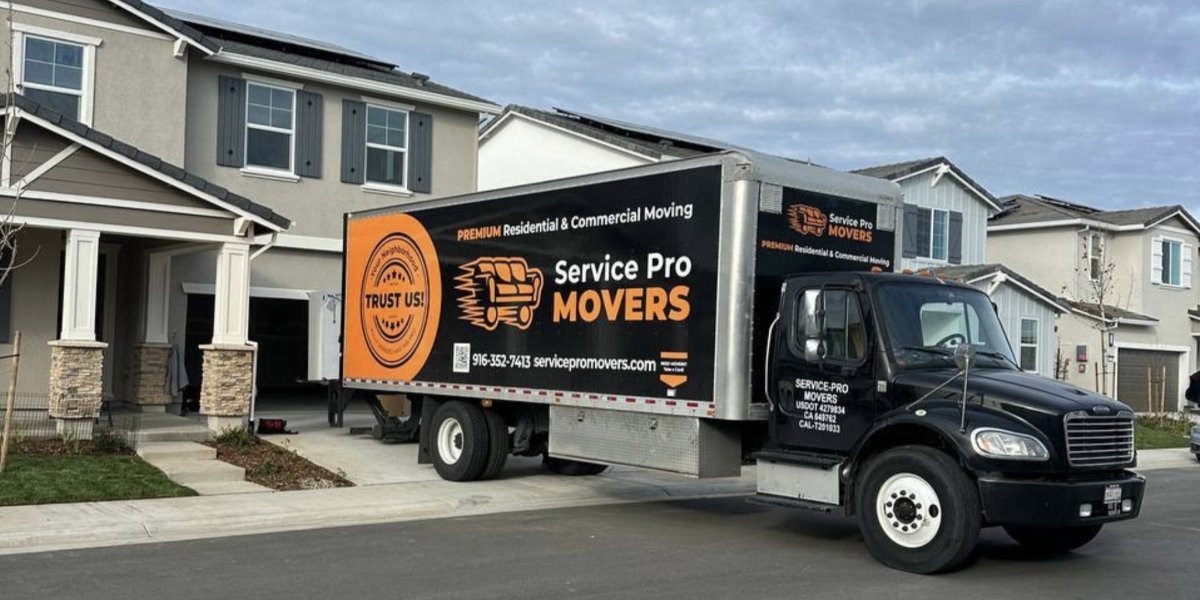
Local teams such as Service Pro Movers often appear on shortlists for Sacramento long distance moves because they work regularly with complex access rules and cross-state logistics. That does not mean you skip the checklist. It means you can use them as a benchmark. If another company cannot match their clarity on inventory lists or delivery windows, you have a data point, not a guess.
Treat any brand, including this one, as a starting point for questions, not an automatic yes.
Packing for Distance, Not Just for the Truck
Long distance moves punish weak boxes and loose items. A box that survives a local move can fail after hours on a highway.
- Use new or like-new cartons for heavy items: books, dishes, tools.
- Wrap furniture in moving blankets and shrink wrap. Corner guards matter on long hauls.
- Disassemble bed frames and tables. Bag bolts and tape them to the frame.
- Photograph the back of TVs and computers before unplugging. Keep cables in labeled bags.
- Pack a “first week” bin with sheets, towels, chargers, medications, pet food, basic tools, and a change of clothes. That bin rides in your car, not on the truck.
Tell the crew about anything fragile or awkward: glass tabletops, a standing mirror, a treadmill, a gun safe. Those items need a clear path and a written note on the inventory.
Load Day and Transit: What to Expect
Night before: clear aisles, unplug everything except one charging station, take out trash, and confirm the load window.
Morning of:
- Meet the crew lead and walk the home once.
- Confirm what stays and what goes.
- Watch the inventory process. Each item should be tagged and listed.
- Do a final sweep: closets, under beds, garage, attic, and outdoor storage.
During transit, keep your phone charged and your email accessible. Reputable companies will share updates if the delivery window changes due to weather, traffic, or mechanical issues.
At delivery, walk through with the crew. Check items against the inventory list as they come off the truck. Note any damage before you sign the final paperwork. Photos help if you need to file a claim.
First Week in the New Home
Unpack the first-week bin. Make the bed. Set up the kitchen. That basic order drops stress more than organizing the garage on day one.
Test smoke detectors, water pressure, and the stove. Find the breaker panel and the shutoff valves. Note parking rules and trash days so you do not start the lease or mortgage with a ticket.
If something arrived scuffed or broken, photograph it before you throw away the wrap. Report it while details are fresh. Keep all paperwork until the claim window closes.
Update your address with the post office, your bank, and the DMV in the new state. Register vehicles and get new licenses within the state’s required window. Schools and doctors’ offices often need proof of address, so keep a copy of the lease or closing papers handy.
Common Mistakes That Cost Time and Money
People forget to overlap utilities. They pack important documents with the books. They skip the inventory walkthrough. They assume the delivery date is fixed. None of that is dramatic, and all of it causes problems.
Schedule the old-home cleaning for the same day the truck leaves, while you still have access. Take timestamped photos of empty rooms, the stove, the fridge, and the carpet. Email them to yourself.
Measure large furniture against doorways and stairwells in the new home before the truck arrives. A sectional that fit the old living room might not turn in the new hallway.
FAQ
How far in advance should I start planning a long distance move from California?
Eight to ten weeks is comfortable for a cross-state or cross-country move. Complex sales, large homes, or tight school deadlines need more lead time.
What slows long distance moves the most?
Late packing, unclear inventory, weather delays, and buildings that were not notified about elevator or parking rules.
Should I pack everything myself?
Pack clothes, books, and kitchenware if you want control. Leave large furniture, TVs, and appliances to people with blankets and straps. Mixed approaches work if labels stay consistent.
Do I need special insurance for a long distance move?
You need a licensed interstate carrier with cargo coverage. Ask for the DOT number and verify it on the FMCSA website.
How do I protect floors and walls on load and delivery days?
Floor runners, corner guards, and wrapped furniture. Clear the path so nobody “cuts the corner” with a dresser.
What about a last-minute long distance move?
Shrink the inventory. Donate or sell bulky extras. Focus on a clean path, labeled boxes, and a first-week kit. Perfect packing is less important than a safe load-out.
The Payoff of Planning a Long Distance Move Early
A long distance move from California rewards people who treat it like a project with a critical path. Plan the timeline. Vet the mover. Pack for distance, not just for the truck. Document everything.
Use ratings as a filter, not a verdict. Ask the same questions of every company. Compare answers on a simple scorecard. That process turns a stressful search into a clear decision.
Do the unglamorous work early. Load day then looks quiet: pads on the floors, boxes coded by room, the inventory list matching the truck. That is the version that protects your belongings, your timeline, and your peace of mind.