Home flipping profits in 2026 have fallen to their lowest level since the Great Recession, marking a significant downturn for investors who once reaped substantial rewards from this strategy. Rising mortgage rates, increasing renovation costs, and cooling demand are creating a challenging environment for home flippers. The latest housing market data indicates that these factors are reshaping investor behavior and market trends across the U.S.
Once seen as a lucrative business model, home flipping is now facing considerable obstacles, with many markets showing a steep decline in returns. As affordability challenges continue to affect buyers and sellers, the profitability of flipping homes is increasingly difficult to maintain.
The Decline in Profits
Recent housing data reveals that the average gross profit from home flips in 2026 has fallen below $66,000, a sharp decline from the peak years of the pandemic. At the same time, return on investment (ROI) for flipped homes has dropped to levels not seen since 2008. In several markets that were once major hubs for flipping activity, including Phoenix, Las Vegas, and Austin, profit margins have tightened considerably. Investors are now struggling to break even in many areas, with single‑digit ROI being more common.
This marks a stark contrast to the pandemic-era boom, where home flipping was thriving and driving significant returns. The market shift in 2026 has forced flippers to re-evaluate their strategies, with many opting for longer holds or rental conversions instead of the traditional quick flips.
Contributing Factors to the Downturn
Several key factors have led to the sharp decline in home flipping profits:
- High Mortgage Rates: Mortgage rates remain elevated, reducing buyer demand and increasing carrying costs for flippers. With fewer buyers entering the market, properties are taking longer to sell, further diminishing potential profits.
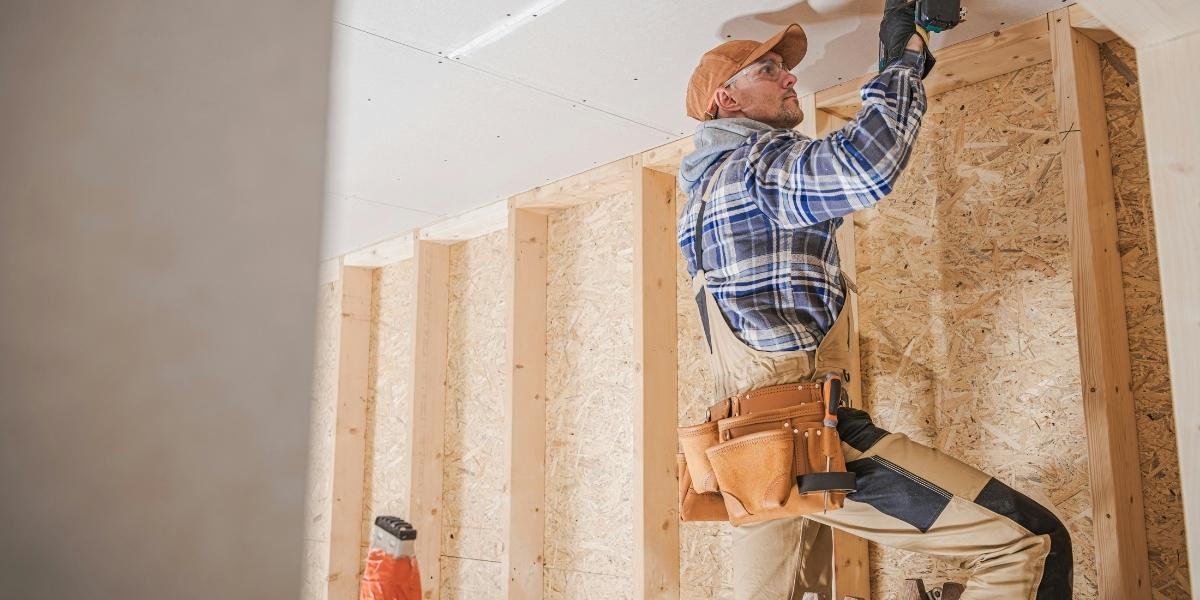
- Rising Renovation Costs: Increased costs for materials and labor are squeezing margins for flippers. While property prices have slowed, the cost of necessary renovations has continued to rise, making it harder for investors to generate significant returns on their properties.
- Cooling Housing Market: Home prices, which had surged during the pandemic, have now slowed. This reduction in price appreciation limits the quick gains that previously drove profitable flips. Without the ability to capitalize on rising home prices, flippers are facing diminished returns.
- Increased Competition: Large institutional investors and big companies have entered the home flipping market in increasing numbers. This has led to more competition, especially in highly sought-after areas, making it harder for smaller, independent flippers to secure profitable deals.
These factors have created a perfect storm, reducing the ability of home flippers to achieve the high returns they enjoyed in previous years.
Impact on the Housing Market and Communities
The slowdown in home flipping is reshaping housing markets across the country. In some regions, fewer home flips mean there is less turnover of distressed properties, which could slow neighborhood revitalization efforts. In other areas, investors are shifting their focus from flipping to long-term rentals or holding properties in the hope of better returns in the future.
For local communities, the decline in home flipping may have mixed effects. On the one hand, it could reduce speculative pressure on housing prices, making homes more affordable for buyers. On the other hand, a reduction in flips could lead to an increase in vacant or under-renovated properties, which may impact neighborhood aesthetics and long-term development.
Despite these challenges, some communities are seeing a rise in rental conversions as investors adjust their strategies. This shift may have the effect of stabilizing neighborhoods while reducing the volume of distressed properties being bought and renovated quickly.
The Future of Home Flipping
Experts suggest that the home flipping market will continue to face difficulties unless mortgage rates drop significantly or renovation costs stabilize. For many smaller investors, the low-profit environment is likely to prompt them to exit the market or shift to alternative investment strategies. In the long term, some predict a consolidation of the industry, with larger firms absorbing smaller competitors who can no longer maintain profitability in the current environment.
While the era of easy profits from quick flips seems to be over, some market analysts suggest that home flipping may remain a viable investment strategy for those who can adapt to the changing conditions. Investors who can weather the storm and adjust their strategies to account for the current market climate may still find opportunities in the real estate sector.