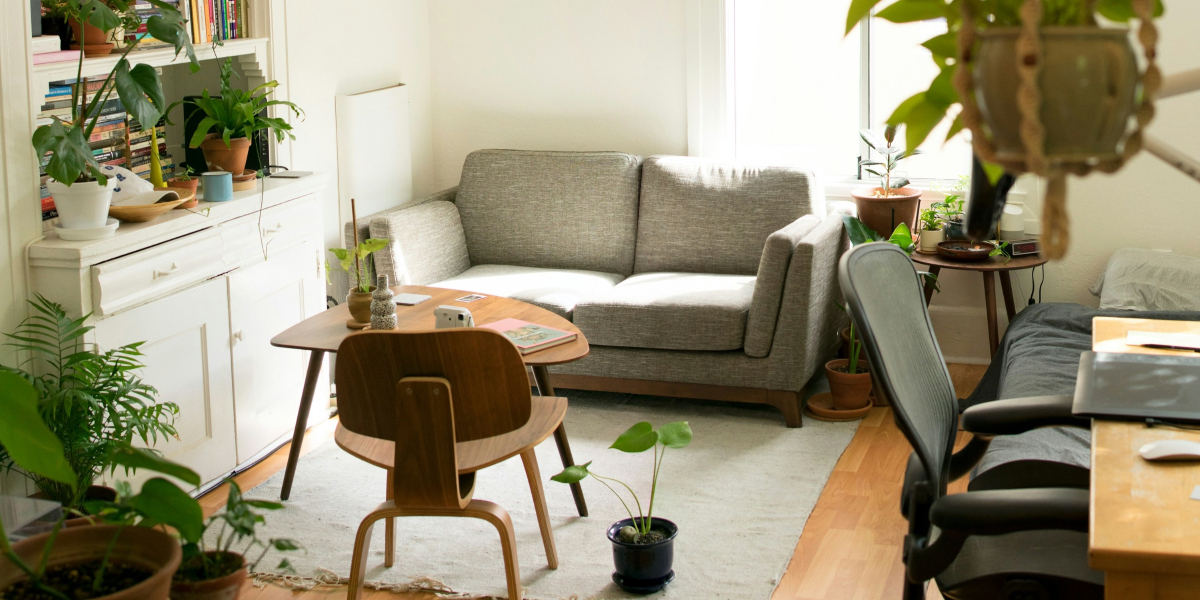
The concept of wellness-driven homes is transforming the way people think about their living spaces. These homes combine eco-friendly design with a focus on health and well-being. They are designed to promote both environmental sustainability and personal wellness, creating environments that enhance physical, mental, and emotional health. As the demand for sustainable living grows, wellness-driven homes are becoming popular for those who want to live in harmony with nature while prioritizing their health.
The Intersection of Wellness and Sustainability
Wellness-driven homes emphasize a holistic approach to living, blending eco-friendly design principles with features that support a healthier lifestyle. These homes prioritize sustainable materials, energy efficiency, and natural elements, creating spaces that reduce environmental impact while also improving indoor air quality, light exposure, and comfort.
From non-toxic building materials to water conservation systems, every element of a wellness-driven home is carefully chosen to minimize harm to both the environment and its occupants. The focus on sustainability helps reduce the home’s carbon footprint and fosters a healthier living space by eliminating harmful chemicals and pollutants.
Eco-Friendly Materials for a Healthier Environment
One of the core elements of wellness-driven homes is the use of eco-friendly, non-toxic materials. Conventional building materials often contain harmful chemicals like formaldehyde, volatile organic compounds (VOCs), and other pollutants that can negatively impact indoor air quality and lead to health issues. In contrast, wellness-driven homes use materials such as reclaimed wood, bamboo, and low-VOC paints, which are sustainable and contribute to a healthier indoor environment.
Incorporating natural materials like stone, wood, and clay also enhances the aesthetic appeal of wellness-driven homes, creating warm, inviting spaces that promote relaxation and well-being. These materials are not only beautiful but also durable, making them a long-lasting investment in both health and sustainability.
Embracing Natural Light and Air Quality
A critical aspect of wellness-driven homes is the focus on natural light and air quality. Maximizing natural light helps regulate circadian rhythms, improving sleep patterns, boosting mood, and enhancing productivity. Large windows, skylights, and strategically placed mirrors are often used to allow more sunlight to enter the home, reducing the need for artificial lighting during the day.
In addition to lighting, air quality is another important factor. Wellness-driven homes often feature advanced ventilation systems, air purifiers, and green walls that improve indoor air quality by filtering out toxins and pollutants. Many homes also incorporate plants, which not only add beauty but also help to naturally purify the air. The combination of fresh air and natural light creates an environment that fosters both physical and mental well-being.
Energy Efficiency and Smart Technology
Sustainability and wellness go hand-in-hand in these homes, with energy-efficient designs playing a key role in reducing environmental impact and enhancing living conditions. Solar panels, energy-efficient appliances, and smart home technology are commonly integrated into wellness-driven homes to minimize energy consumption and create a more eco-friendly lifestyle.
Smart home systems allow homeowners to monitor and control their energy usage, water consumption, and indoor climate, ensuring their living spaces are optimized for comfort and sustainability. These features not only reduce energy bills but also help homeowners live in a way that aligns with their values of environmental responsibility and wellness.
Water Conservation and Sustainable Landscaping
Water conservation is another vital aspect of wellness-driven homes. These homes often include rainwater harvesting systems, low-flow fixtures, and sustainable landscaping that reduces water usage. Drought-resistant plants, rain gardens, and native vegetation are frequently used in outdoor spaces, providing a natural and eco-friendly aesthetic that requires minimal maintenance.
Sustainable landscaping conserves water and enhances the beauty of the home’s outdoor spaces, creating serene environments that promote relaxation and connection with nature. These elements contribute to the overall sense of well-being that wellness-driven homes are designed to foster.
Creating a Space for Mental and Emotional Wellness
Wellness-driven homes are also designed to nurture mental and emotional well-being. These homes often include spaces dedicated to relaxation, mindfulness, and self-care, such as meditation rooms, yoga studios, or outdoor retreats. Using calming colors, natural textures, and minimalist design principles helps create peaceful, uncluttered environments that promote stress relief and mental clarity.
The connection between nature and wellness is a central theme in these homes, with biophilic design elements—such as incorporating natural views, indoor plants, and water features—playing a key role in enhancing mental well-being. By bringing nature indoors, wellness-driven homes create a sense of calm and tranquility that supports emotional health.
A Growing Trend in Healthy Living
As more people recognize the connection between their living environments and their overall health, the trend toward wellness-driven homes is growing. Homebuyers are increasingly seeking out properties that are not only eco-friendly but also designed to promote a healthier lifestyle. Developers and architects are responding to this demand by incorporating wellness and sustainability into their projects, creating homes that prioritize the well-being of both residents and the planet.
This shift reflects a broader movement toward mindful, sustainable living, where homes are not just places to live but sanctuaries that nurture health, happiness, and a deeper connection to the environment.
Conclusion: Wellness-Driven Homes for a Healthier Future
Wellness-driven homes represent the future of healthy, sustainable living. By combining eco-friendly design with features that support physical, mental, and emotional health, these homes provide an ideal environment for individuals and families looking to lead healthier, more balanced lives. With their focus on sustainability, energy efficiency, and personal well-being, wellness-driven homes are transforming the way people think about their living spaces, creating environments that truly enhance life.
For more insights on wellness-driven homes and eco-friendly design, read the full article etincele.com.
Published by: Khy Talara