By Emma Pierce
The first cool evening of fall arrives, you turn on the heat for the first time in months, and suddenly there’s a strange smell coming from the vents.
For many homeowners, the immediate question is whether that smell is simply part of starting the system for the season or a warning that something is wrong.
Fuse Service hears versions of this question every fall. After heating equipment has spent months largely inactive, its first startup can come with unfamiliar smells, sounds, and behavior.
We asked a Fuse Service HVAC expert Michael what homeowners should expect when turning their heat on for the first time, and which signs shouldn’t be ignored.
Is a Burning Smell Normal the First Time You Turn on the Heat?
Sometimes.
Dust can accumulate on heating components while a system sits unused during the warmer months. When the heat is turned on again, that dust can warm up and create a temporary burning or dusty odor.
“A mild dusty smell at the beginning of the heating season isn’t unusual,” explains Michael. “What matters is whether it disappears relatively quickly or continues.”
If the odor persists, becomes stronger, or smells more like burning plastic, wiring, or another unusual material, the system should be checked rather than assuming it is normal seasonal startup behavior.
How Long Should the Smell Last?
A temporary dusty odor should generally fade as the system operates and accumulated dust clears.
Homeowners should pay attention to whether the smell is improving or becoming more noticeable.
If an unusual odor continues after the system has been running, repeatedly returns, or is accompanied by smoke or unusual system behavior, it deserves professional attention.
Are There Smells That Should Never Be Ignored?
Yes.
An electrical or melting-plastic smell, for example, could indicate an overheating component or electrical issue.
A strong gas odor around gas-fired equipment is also very different from the dusty smell associated with first startup. If you suspect a gas leak, leave the area and contact the appropriate emergency or utility service rather than attempting to diagnose the equipment yourself.
The important distinction is that not every “burning” smell has the same cause.
“Homeowners know what their house normally smells like,” says Michael. “If something smells significantly different or concerning, it’s better to investigate than keep running the system and hope it disappears.”
What About Strange Noises?
Heating systems aren’t silent, and some sounds when equipment starts and stops are normal. Ductwork can also expand and contract as temperatures change.
New, loud, or persistent noises are another matter.
Banging, grinding, screeching, rattling, or other sounds that weren’t present in previous seasons can indicate loose or worn components and shouldn’t automatically be dismissed because the heater has been sitting unused.
A useful rule is to pay attention to what has changed. If the system sounds noticeably different from last winter, there may be a reason.
Why Is My Heater Blowing Cool Air?
The answer can be surprisingly simple.
Depending on the type of system, there may be a short period between startup and when noticeably warm air reaches the vents. Heat pumps also operate differently from traditional furnaces and can deliver air that feels less intensely hot even while heating the home normally.
But if the house isn’t warming, the system runs continuously without reaching the thermostat setting, or the air remains cold, there may be an issue requiring diagnosis.
Before calling for service, homeowners can verify that the thermostat is set correctly, check the filter, and make sure vents haven’t been closed or blocked.
Does First Startup Differ for Furnaces and Heat Pumps?
Yes, and this is becoming increasingly relevant as more homeowners use heat pumps for both cooling and heating.
A furnace creates heat, while a heat pump primarily moves heat from one place to another. As a result, the temperature of the air coming from the vents and the way the system operates can feel different.
Heat pumps may also use auxiliary or backup heat under certain conditions, depending on the system.
Understanding what type of equipment is installed makes it much easier to distinguish normal operation from a potential problem.
When Should You Call an HVAC Technician?
A system that produces persistent unusual odors, repeatedly shuts down, makes new mechanical noises, fails to heat the home, or behaves substantially differently from the previous season should be inspected.
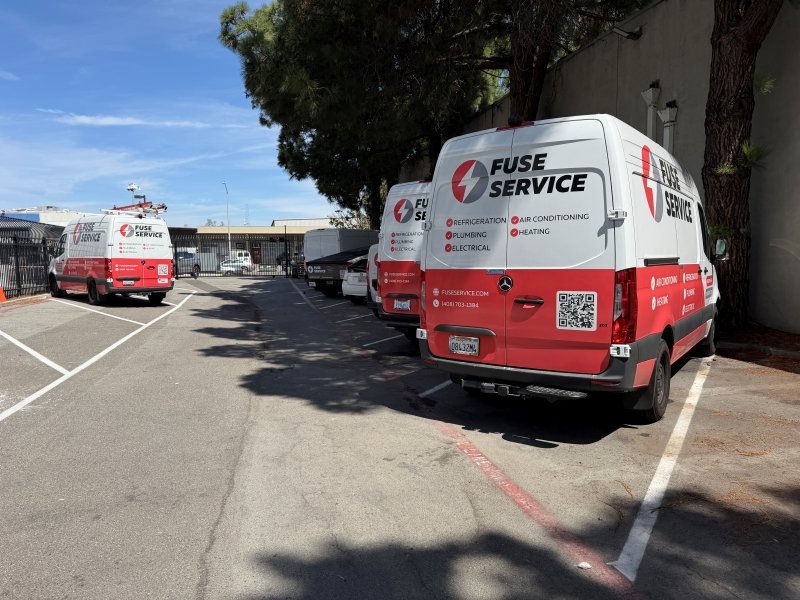
And homeowners don’t necessarily have to wait for business hours to decide what to do next. Fuse Service’s customer support operates 24/7, which can be particularly helpful when an unfamiliar smell or heating problem appears late at night.
The goal isn’t to treat every unusual sound or smell as an emergency. It’s to know when something has moved beyond the normal quirks of seasonal startup.
Your Heater’s First Run Is a Useful Test
Turning on the heat for the first time shouldn’t happen on the first night you desperately need it.
Testing the system earlier in the season gives homeowners an opportunity to notice unusual smells, listen for new sounds, and make sure the house actually heats properly while temperatures are still relatively comfortable.
A little dust burning off after months of inactivity may be completely ordinary. A smell that persists or something that simply doesn’t seem right may not be.
Either way, the first heating cycle of the season can tell you quite a bit, if you pay attention.