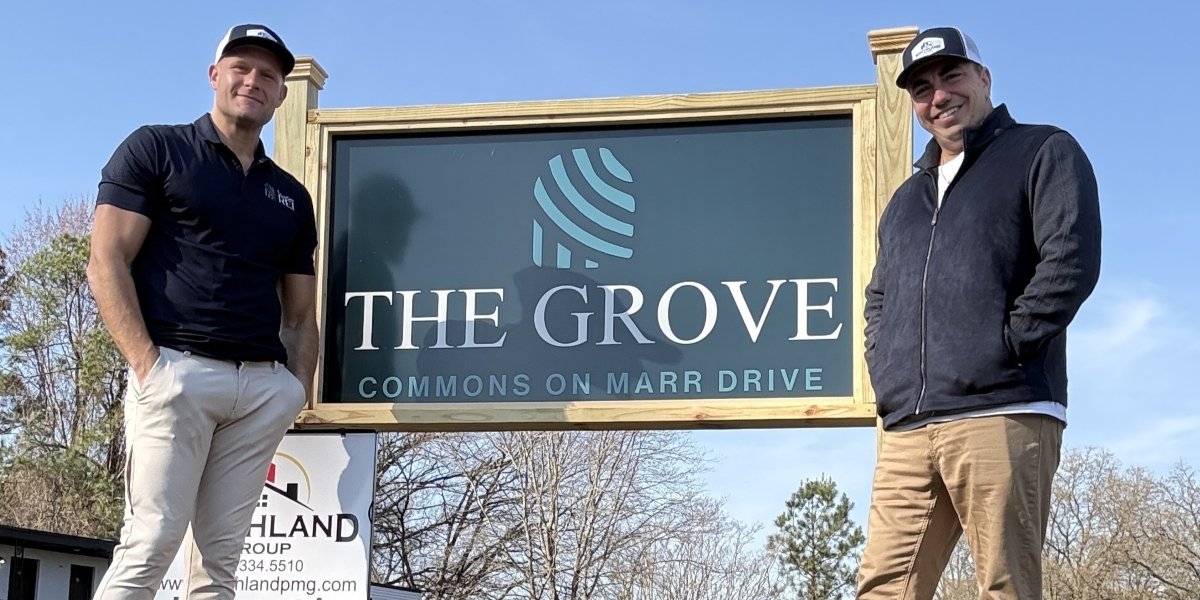
By: Sophia Ellery
Why Bryan Karp and Anthony Loffredo believe discipline, not speed, is one of the industry’s greatest competitive advantages.
In real estate, it’s easy to believe that success belongs to the people doing the most deals.
Bryan Karp and Anthony Loffredo see it differently.
After years spent working across residential and multifamily real estate, they’ve come to believe that one of the most overlooked skills in the business isn’t finding opportunities.
It’s having the discipline to walk away from them.
The industry often celebrates activity.
More transactions.
More acquisitions.
More development.
More growth.
But Karp believes experience teaches a different lesson.
Not every opportunity deserves to become a project.
Throughout his career, he’s learned that patience can be one of the most valuable assets a real estate professional possesses.
Waiting for the right opportunity isn’t a sign of hesitation.
It’s a sign of discipline.
That perspective is strengthened by the partnership he shares with Anthony Loffredo.
While Karp brings decades of experience in real estate, relationship-building, and business development, Loffredo’s background as a Certified Public Accountant provides another perspective, one grounded in careful analysis, preparation, and long-term thinking.
Their conversations don’t revolve around how quickly something can happen.
They focus on whether it should happen at all.
That process has shaped the way they evaluate every decision.
Instead of asking, “How can we make this work?”
They begin with a different question.
“Does this make sense in the long run?”
It’s a mindset they believe has become increasingly important in the current market.
Changing interest rates, shifting economic conditions, rising operating costs, and evolving resident expectations have made thoughtful decision-making more valuable than ever.
For Karp and Loffredo, discipline isn’t about avoiding risk.
Real estate has always required thoughtful risk-taking.
It’s about understanding the difference between calculated decisions and emotional ones.
They believe some of the strongest outcomes in real estate begin long before construction starts or renovations begin.
They begin during the conversations where difficult questions are asked.
Where assumptions are challenged.
Where excitement gives way to careful planning.
That willingness to slow down has become one of the defining characteristics of their leadership.
It also reflects something larger.
Neither founder believes success comes from trying to do everything.
Instead, they believe it comes from doing the right things consistently over time.
As the real estate industry continues to evolve, both expect technology to improve analysis, communication, and operations.
But they don’t expect it to replace judgment.
Experience still matters.
Preparation still matters.
Character still matters.
And perhaps most importantly, knowing when to say no remains just as valuable as knowing when to say yes.
Because in real estate, they believe the projects you choose not to pursue often shape your reputation just as much as the ones you do.