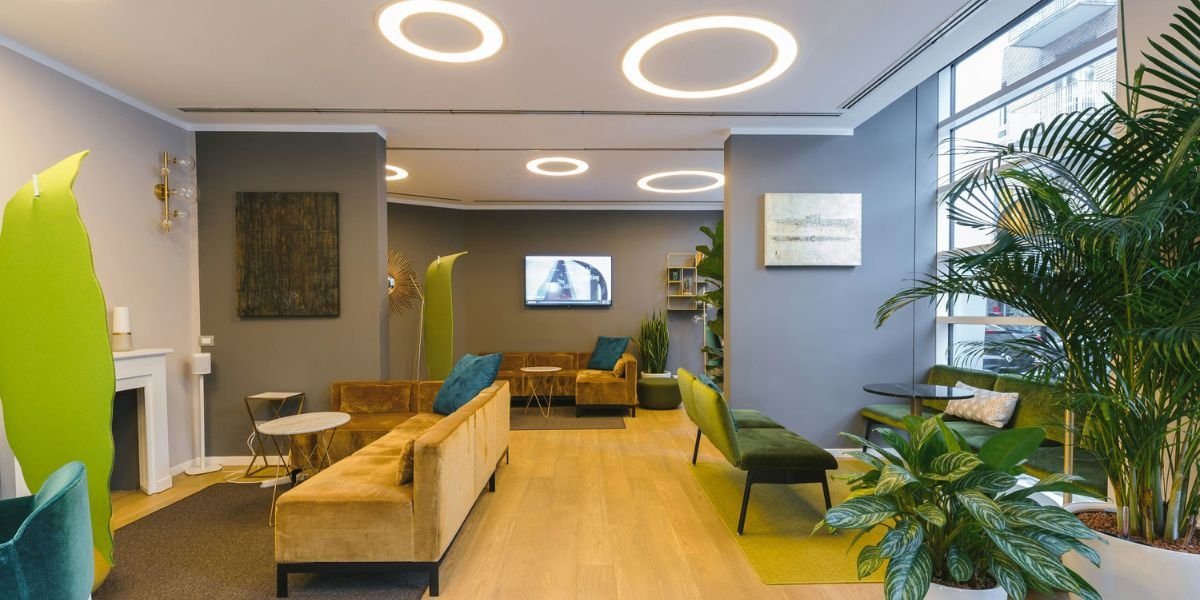
Introduction to Office‑to‑Hotel Conversions
As commercial real estate (CRE) markets shift in response to changing economic conditions, one of the most prominent trends gaining traction is office-to-hotel conversion. This innovative approach involves repurposing vacant or underperforming office buildings into hotels, offering an effective solution to the growing challenges of office space vacancy. With increased demand for hospitality and declining office occupancy, developers are seizing the opportunity to adapt office spaces into high-demand hotel rooms.
What’s Driving the Office‑to‑Hotel Trend?
The commercial real estate sector has faced significant challenges in recent years, with fluctuating demand for office space. Many companies continue to adopt remote and hybrid work models, reducing the need for large office buildings. At the same time, the hospitality sector has been recovering from the pandemic, with more cities seeing a surge in both leisure and business travelers.
Vacancy Rates and Office Space Challenges
According to recent reports, office vacancies in major cities like San Francisco and New York have remained above 20% in some areas. This excess space has prompted CRE developers to rethink the utility of aging office buildings, opting for adaptive reuse projects rather than new construction. Converting offices to hotels is proving to be a smart investment strategy, as it capitalizes on underutilized real estate while addressing the rising demand for accommodations.
The Need for Hotel Rooms in Urban Centers
Cities that serve as popular tourist or business destinations are seeing a consistent demand for more hotel rooms. As urban areas rebound from the pandemic, many travelers are opting for centrally located hotels, creating a competitive edge for developers who can transform existing properties. By converting office buildings into hotels, investors can take advantage of established locations and minimize the high costs associated with ground-up construction.
The Benefits of Adaptive Reuse in Commercial Real Estate
Environmental and Economic Benefits
One of the key reasons why office-to-hotel conversions are gaining popularity is the environmental and economic benefits they offer. Reusing existing structures significantly reduces the need for new materials, which helps lower the carbon footprint of development projects. Additionally, adaptive reuse tends to be more cost-effective than new construction due to the ability to repurpose existing infrastructure.
Faster Time-to-Market
Converting an office building into a hotel often takes less time than building a hotel from scratch. Developers can take advantage of the pre-existing framework of the office building, cutting down on demolition costs and time. This allows them to bring the hotel to market faster, capitalizing on growing demand for short-term accommodations in prime locations.
A Closer Look at Real-World Examples

Photo Credit: Unsplash.com
San Antonio’s Office-to-Hotel Conversion
One recent example of the office-to-hotel trend in action is the conversion of an office building in downtown San Antonio. The IBC Bank building, located in the heart of the city, is being transformed into a JW Marriott hotel. This project highlights how adaptive reuse is not only revitalizing old office buildings but also breathing new life into urban areas. The hotel will feature 300 rooms and state-of-the-art amenities, making it a prime destination for both business and leisure travelers.
New York’s Commercial Space Repositioning
In New York City, several prominent office buildings have been converted into hotels or mixed-use developments. With office vacancy rates hovering around 20% in parts of Manhattan, developers are increasingly looking to convert old office towers into high-end hotels. This trend is helping address both the oversupply of office space and the need for more accommodation options in the city’s competitive hospitality market.
Key Considerations for CRE Investors
Market Research is Essential
While office-to-hotel conversions present exciting opportunities, they come with their own set of challenges. For investors, market research is crucial. It’s important to assess the local demand for hotels, the condition of the existing building, and the potential return on investment (ROI). In cities with declining office space demand but high hotel occupancy, these conversions offer a promising solution. However, investors should be cautious in markets with insufficient tourism or business travel demand.
Zoning and Regulatory Hurdles
Before embarking on an office-to-hotel conversion, developers must navigate local zoning laws and building codes. In some cases, significant structural modifications may be required to meet hotel standards, such as increasing ceiling heights or adding more windows. Understanding the permitting process and working closely with local authorities can help streamline the project and avoid costly delays.
Design and Amenities
When converting an office building into a hotel, it’s essential to focus on the design and amenities that will attract guests. Many former office buildings have narrow floorplates or fewer windows, which may require creative solutions to ensure the hotel offers a comfortable and welcoming experience. Additionally, the addition of modern amenities, such as fitness centers, rooftop lounges, and high-end dining options, can make the converted property more appealing to travelers.
The Future of Office-to-Hotel Conversions
As the office-to-hotel conversion trend continues to gain momentum, it’s clear that adaptive reuse will play an increasingly important role in the future of commercial real estate. With high vacancy rates in many office buildings and a strong demand for hotel accommodations in urban centers, this strategy offers a practical solution for both property owners and investors.
With changing workplace dynamics, increasing demand for flexible hotel offerings, and the need for sustainable development practices, the office-to-hotel conversion trend is expected to continue shaping the commercial real estate landscape in the coming years. For investors, staying ahead of this trend could mean significant returns, especially in markets with surplus office space and growing tourism.