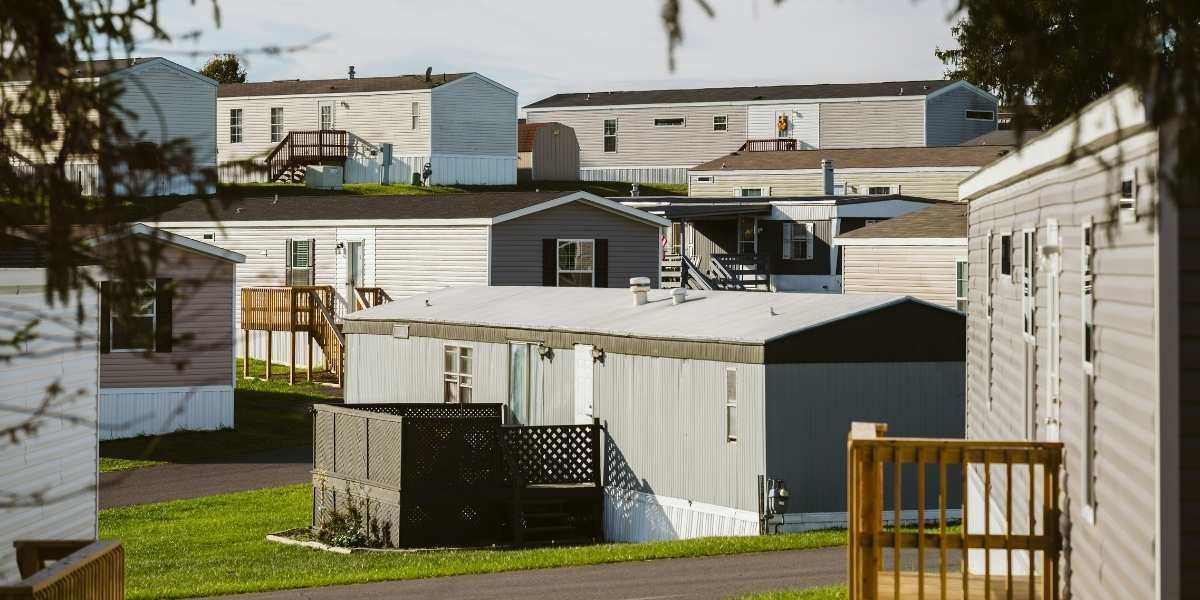
Manufactured housing has increasingly been recognized as an important solution to the nation’s ongoing housing affordability challenges. With rising home prices making traditional single-family homes unattainable for many Americans, manufactured housing has emerged as a more affordable alternative. As housing markets continue to be under pressure, policymakers are turning their attention to manufactured homes to provide a viable and more accessible path to homeownership.
The Affordable HOMES Act, passed by the U.S. House of Representatives earlier this month, represents a significant step in this direction. The bill aims to streamline the regulatory processes involved in the construction of manufactured homes, helping to reduce the costs associated with development. While the legislation has yet to be passed by the Senate, its potential to reduce financial barriers to homeownership is already gaining attention in Washington.
The Affordable HOMES Act is only the latest initiative in a growing push to address the nation’s housing crisis. As home prices rise in both urban and suburban areas, manufactured homes are being considered as a more affordable alternative. Currently, 7.2 million households in the U.S. live in manufactured homes, and this number is expected to grow as housing affordability remains a critical issue.
What the Legislation Proposes
The Affordable HOMES Act focuses on reducing regulatory burdens that are seen as increasing the costs of building new manufactured homes. One of the bill’s key provisions is shifting oversight of energy standards from the Department of Energy (DOE) to the Department of Housing and Urban Development (HUD). Supporters of the bill believe that this move could simplify the regulatory process, potentially leading to lower construction costs.
The bill also seeks to clarify the rules for developers, making it easier to navigate the compliance process. By providing clearer guidance for builders, the Affordable HOMES Act aims to encourage the development of more manufactured homes without relying on substantial subsidies. By simplifying the regulatory framework, the bill is designed to reduce barriers to entry for developers, leading to a possible increase in the supply of affordable housing.
Some proponents believe that the Affordable HOMES Act could play a key role in providing more affordable housing options, particularly for first-time homebuyers who may otherwise struggle to afford a traditional site-built home. However, while this bill represents an important step forward, its success will depend on both regulatory adjustments and local support for manufactured housing.
Affordability and Market Trends
Manufactured housing is often considerably more affordable than site-built homes. On average, manufactured homes are estimated to be 35 to 47 percent less expensive per square foot compared to traditional homes. This affordability gap has become even more significant as the prices of site-built homes have continued to rise, especially in high-demand urban and suburban markets. For many families, manufactured homes offer a more budget-friendly option without sacrificing basic living standards.
The growing demand for affordable housing has led to an increased focus on manufactured homes as a solution. With rising home prices pushing the American dream of homeownership further out of reach, the need for more affordable alternatives has never been more pressing. In this context, manufactured housing is seen as a potential way to provide families with an entry point into homeownership, especially in areas where traditional homes are not financially feasible.
While manufactured homes have historically been overlooked, industry groups now argue that the sector has untapped potential to help address the broader housing crisis. The Affordable HOMES Act could help bring manufactured homes into the mainstream, making them a more viable option for those seeking affordable alternatives to traditional housing.
Misconceptions and Barriers
Despite their affordability, manufactured homes continue to be viewed with skepticism by some. Critics often associate manufactured housing with being unsafe, unattractive, or outdated. However, this perception does not reflect the reality of modern manufactured homes. Today’s manufactured homes are built to meet stringent federal safety standards, and many are designed with high-quality materials and modern aesthetics. In fact, many manufactured homes today are comparable to site-built homes in terms of design and comfort.
One of the major challenges facing manufactured housing is the public’s slow adoption of modern alternatives. While these homes have become more advanced in terms of design and safety, negative stereotypes still persist in some communities. Local governments and homeowners may be resistant to new developments due to concerns about property values, aesthetics, or perceived safety risks.
In addition, the process of obtaining financing for manufactured homes can be more complicated than for traditional homes. Banks and lenders may be reluctant to offer favorable terms for manufactured housing loans, which can limit access for those who need affordable housing the most. The lack of financing options, combined with local zoning restrictions and “Not In My Backyard” (NIMBY) attitudes, can make it difficult for manufactured housing to gain traction in some areas.
The Role of Manufactured Housing in Communities
For many families, manufactured housing is an accessible way to achieve homeownership. This type of housing has long played an important role in rural and suburban areas, where affordability is often more critical. Manufactured homes are often seen as the first step toward homeownership for those who may not be able to afford traditional site-built homes, providing them with an opportunity to build equity and stability.
In communities where manufactured housing is prevalent, residents often form strong, close-knit neighborhoods. These areas can offer a sense of belonging and social cohesion, as neighbors look out for one another. While manufactured housing has not always received the recognition it deserves, these communities represent a vital part of the broader housing landscape, especially for those seeking more affordable living options.
The Future of Manufactured Housing
The future of manufactured housing hinges on both legislative action and public perception. The Affordable HOMES Act represents a step toward increasing the supply of affordable housing by addressing some of the regulatory and financial barriers that have traditionally made manufactured homes more difficult to produce. However, the long-term success of manufactured housing will depend on how the public and local communities receive these homes.
As cities across the U.S. grapple with the growing affordability crisis, manufactured housing could become a more central part of the housing solution. If regulations are streamlined and financing options become more accessible, manufactured homes could offer an affordable and practical alternative for millions of families.
Disclaimer:
The information provided in this article reflects the current discussions and proposed legislation related to manufactured housing. The outcomes of the Affordable HOMES Act and its potential effects on the housing market remain subject to further legislative developments and public response. Readers are encouraged to stay informed through official sources and conduct their own research.