By: Star5 Media
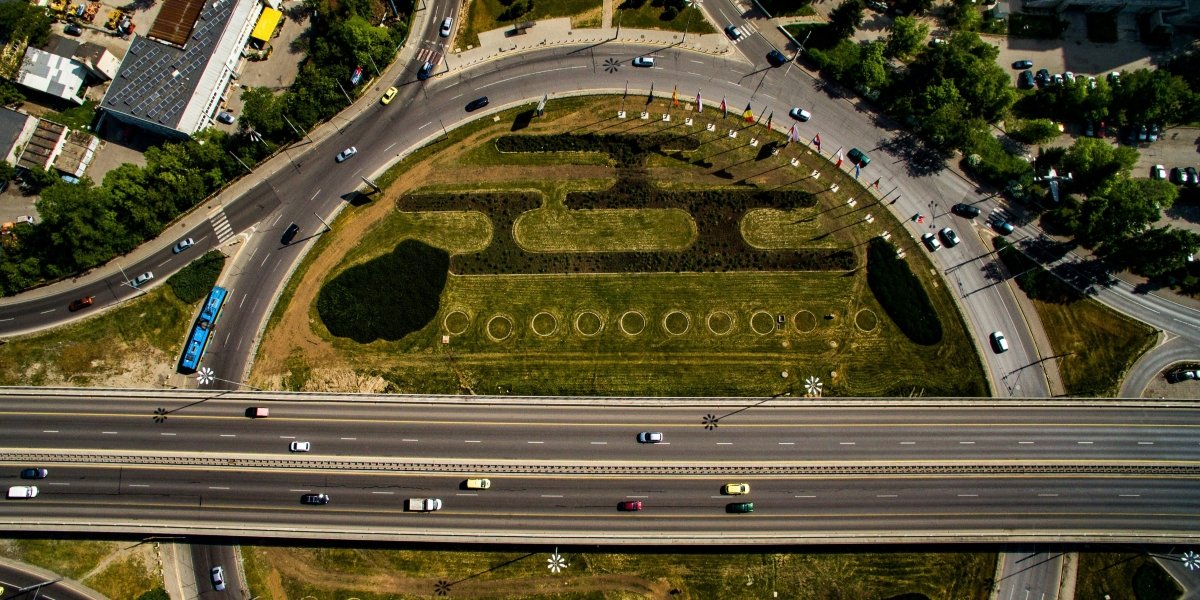
Infrastructure planning demands accurate, timely, and actionable data. Traditional methods, including manual surveys, ground inspections, and limited aerial imagery, can be slow, costly, and prone to inconsistencies. FEDS Drone-powered Solutions understands how combining GIS remote sensing applications with UAV technology transforms this process, providing infrastructure planners with high-resolution, geospatial data that enhances decision-making across construction, utilities, and urban development projects.
The Power of GIS and Remote Sensing in Planning
Geographic Information Systems (GIS) and remote sensing allow professionals to collect, visualise, and analyse spatial data efficiently. UAVs equipped with advanced sensors, multispectral cameras, and GPS technology feed GIS platforms with precise aerial insights. This integration delivers:
- High-resolution mapping: Capture terrain, infrastructure, and land-use data with centimetre-level precision.
- Real-time updates: Monitor site changes and track development progress seamlessly.
- Comprehensive analytics: Combine topography, vegetation, and environmental data for smarter planning.
By combining GIS with UAV remote sensing, infrastructure planners can capture precise, actionable data that transforms decision-making while cutting survey time, reducing costs, and enabling safer, smarter projects built on accuracy, insight, and confidence.
The FEDS team frequently integrates Aerial Surveys & Mapping into planning workflows, providing reliable datasets that inform everything from utility placement to transportation corridors.
Optimising Time and Cost Efficiencies
GIS and remote sensing significantly reduce time and labour costs. Manual surveys can take weeks, especially over challenging terrain, whereas UAV-assisted mapping completes the same tasks in hours. Benefits include:
- Rapid data acquisition: Cover large sites quickly without extensive on-ground crews.
- Visual reporting: Generate actionable imagery with drone filming services for project presentations or stakeholder updates.
- Scalable operations: Update or expand surveys efficiently without reassigning teams.
For example, urban planners can assess zoning impacts, track road development, and forecast environmental risks more quickly and accurately using UAV-derived GIS data.
Integration With Other Technologies
Combining UAVs with GIS and remote sensing enhances planning precision. FEDS uses drone data alongside ground-based sensors, satellite imagery, and AI analytics to produce comprehensive models. This integration helps teams to:
- Identify potential obstacles before construction begins.
- Plan utility networks, drainage, and transport infrastructure efficiently.
- Minimise costly design errors and reduce project delays.
By aligning aerial data with GIS platforms, decision-makers gain a single, authoritative source of spatial intelligence.
Applications Across Key Infrastructure Projects
GIS remote sensing applications are increasingly shaping complex infrastructure projects, providing precise, actionable data that streamlines planning, reduces risk, and enhances efficiency from initial surveys to construction completion.
GIS and UAV remote sensing applications are particularly transformative for complex infrastructure projects that demand precision and efficiency. Examples include:
- Road and Highway Development: Drone land surveys quickly map terrain, detect elevation changes, and identify obstacles, supporting accurate route design and reducing costly on-site revisions.
- Oil and Gas Infrastructure: Remote sensing monitors pipeline routes, refineries, and storage facilities, helping engineers plan installations while minimising environmental impact and ensuring regulatory compliance.
- Urban Planning and Utilities: High-resolution mapping informs placement of power lines, water networks, and drainage systems, enabling smarter city development and preventing costly retrofits. FEDS’ Aerial Surveys & Mapping services provide the detailed geospatial data required for these projects.
- Large-Scale Construction Projects: From airports to industrial complexes, FEDS’ construction monitoring services, combined with UAV mapping, deliver accurate topographical and site data, supporting phased construction planning and reducing project delays.
By applying GIS and remote sensing to these areas, decision-makers gain actionable insights, reduce risks, and optimise resources throughout the project lifecycle.
Practical Benefits for Infrastructure Decision-Makers

Photo: Unsplash.com
Deploying GIS and remote sensing applications via UAVs offers measurable advantages:
- Cost savings: Less manpower and shorter survey periods reduce project expenses.
- Safety improvements: Avoid sending personnel into hazardous areas.
- Regulatory compliance: Accurate geospatial data ensures planning adheres to environmental and municipal regulations.
- Informed decisions: Real-time insights support proactive project management and risk mitigation.
FEDS ensures these benefits are delivered on every project, demonstrating that UAV-based GIS solutions are both practical and high-performing.
FAQs
How accurate are GIS and UAV remote sensing applications for infrastructure planning?
Modern UAVs with high-resolution sensors feed GIS platforms, enabling centimetre-level precision maps. This ensures planners can rely on the data for infrastructure modelling, site selection, and regulatory compliance.
Can UAVs cover large areas efficiently for GIS mapping?
Yes. UAVs survey extensive sites in a fraction of the time required for manual surveys, saving labour costs while delivering consistent, high-resolution results.
Are UAV-derived GIS datasets compatible with existing planning tools?
Absolutely. Data integrates seamlessly with GIS software, CAD tools, and remote sensing platforms, allowing for detailed 3D models and spatial analytics.
Do GIS remote sensing applications help with environmental monitoring?
Yes. Multispectral sensors detect vegetation health, water flow, and land-use changes, supporting sustainable planning and regulatory compliance.
Can UAVs operate in challenging environments for GIS mapping?
Yes. UAVs can access steep, waterlogged, or otherwise hazardous areas safely, ensuring complete data coverage without risking personnel.
Final Thoughts
Integrating GIS with remote sensing via UAVs is reshaping infrastructure planning. By providing precise, actionable, and timely data, FEDS equips decision-makers to optimise resources, reduce risk, and plan with confidence.
Contact FEDS
FEDS specialises in applying these technologies to real-world challenges across construction, utilities, and urban development. Contact the FEDS team to explore how its drone land surveys and GIS solutions can benefit your business.