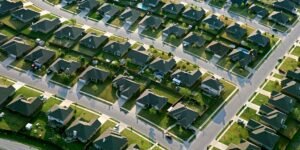
The housing affordability crisis is a real and growing concern for many homebuyers, especially in popular metropolitan areas. With home prices soaring at rates far exceeding wage growth, many prospective buyers are finding themselves priced out of the market. As this gap widens, both buyers and investors must adjust their strategies to navigate a housing market that has become increasingly difficult to enter. This article examines why home prices continue to climb while wages remain stagnant and how these trends are shaping the real estate market.
The Growing Divide Between Home Prices and Wages
Over the past few decades, the cost of homeownership has surged, with home prices outpacing wage growth in nearly every U.S. region. According to recent data from the National Association of Realtors (NAR), the median price of a single-family home in the U.S. has increased by more than 40% over the last decade, while median household income has risen by only 25%. This disparity is especially pronounced in urban centers, where demand for housing remains high but inventory is low.
While there are many factors contributing to the rise in home prices, including low mortgage rates, high demand, and limited supply, the stark contrast between wage growth and home prices is one of the most pressing issues. This gap means that even with steady job growth, many Americans simply cannot afford to purchase homes at current prices, making it more difficult for first-time buyers to enter the market.
Housing Supply and Demand: Key Factors Driving Price Growth
One of the primary reasons for the rise in home prices is the imbalance between supply and demand. With fewer homes available for sale, competition among buyers is pushing prices up. According to a report from Redfin, housing inventory is still at historically low levels, and the demand for homes in major cities like Los Angeles, New York, and San Francisco remains strong. Even as mortgage rates have climbed in recent months, the demand for homes has not significantly slowed.
In addition to the high demand, new home construction has not kept pace with the population growth in many regions. Builders face rising costs for materials, labor shortages, and supply chain disruptions, which have limited their ability to increase inventory. This has led to a situation where there simply aren’t enough homes to meet the demand, further driving up prices.
Mortgage Rates: The Double-Edged Sword
Mortgage rates have been another significant factor contributing to the housing affordability crisis. While low mortgage rates in the past few years have made buying a home more attractive, recent rate hikes have begun to have an impact on affordability. As the Federal Reserve raises interest rates to curb inflation, mortgage rates have increased, making it more expensive for buyers to finance a home purchase.
Higher mortgage rates mean higher monthly payments, which in turn affects how much homebuyers can afford. For example, a $500,000 home at a 3% mortgage rate may result in a monthly payment of around $2,100, but that same home at a 6% mortgage rate could push the monthly payment to over $3,000. As homebuyers are forced to adjust their expectations and take out smaller loans, the already high cost of homes becomes even more difficult to manage.
The Impact on First-Time Homebuyers and Investors

Photo Credit: Unsplash.com
The rising cost of homeownership is having a particularly heavy impact on first-time homebuyers, who are often hit hardest by the combination of high prices and stagnant wages. Many young professionals and families are finding it increasingly difficult to save for a down payment while also dealing with the rising cost of living. This is forcing many to delay purchasing a home or turn to alternative options, such as renting.
On the flip side, real estate investors may find opportunities in a market where first-time buyers are priced out. Investors can take advantage of rising rents and seek out properties in areas where affordability remains more accessible. Rental properties are becoming a more attractive option as more people are unable to afford to buy. With rental demand up, investors can expect higher yields, but they must also consider the challenges that come with managing properties in a competitive market.
Addressing the Crisis: Potential Solutions
While the housing affordability crisis is a complex issue, several potential solutions could help ease the burden for buyers. One of the most important steps is increasing housing supply. Government policies and incentives aimed at encouraging new home construction—particularly in high-demand areas—could help alleviate some of the pressure on prices. Additionally, zoning reforms that allow for the development of more affordable housing options, such as multifamily units and smaller homes, could help expand the housing stock.
Another possible solution is to address wage stagnation. While wages are rising slowly, they are not keeping up with the increasing cost of living. Strengthening labor market policies to ensure that wages grow in tandem with inflation and housing costs could help bridge the gap between home prices and wages.
Financial assistance programs and down payment assistance for first-time buyers could help make homeownership more attainable. Some states and local governments are already offering programs to assist buyers with down payments, and expanding these initiatives could make a meaningful difference in helping more people become homeowners.
A Long Road Ahead
The housing affordability crisis is not an issue that can be solved overnight. While there are some solutions on the horizon, such as increased housing supply and more supportive policies for first-time buyers, it will take time for these efforts to have a significant impact. In the meantime, buyers will need to carefully assess their budgets and work with real estate professionals to navigate a market that remains challenging for many. Investors, on the other hand, will continue to look for opportunities in a market that offers potential returns despite its challenges.
As the housing market continues to evolve, it’s clear that both buyers and sellers must stay informed and prepared for the changes that lie ahead. Understanding the forces driving home prices and wages is key to making smarter decisions in today’s dynamic real estate market.