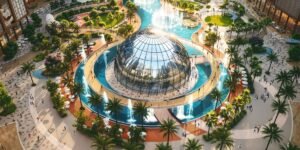
The commercial real estate industry is quietly undergoing an eco-friendly revolution, with green building practices moving from niche preference to business necessity. From energy-efficient offices to eco-conscious retail spaces, sustainable design now impacts everything from construction methods to long-term property values. This shift isn’t just about environmental ethics—it’s becoming a smart financial strategy that reduces operating costs while attracting quality tenants.
Energy efficiency leads the charge in sustainable upgrades. Modern HVAC systems with smart sensors adjust temperatures based on occupancy, cutting energy use by 20-30% compared to traditional units. LED lighting conversions, once considered costly, now pay for themselves within 18 months through reduced utility bills. Forward-thinking landlords install solar panel-ready roofs during initial construction, even if panels come later, avoiding expensive retrofits. These improvements often qualify for tax incentives and green financing options with favorable terms, making them financially accessible.
Water conservation technologies are reshaping commercial properties. Low-flow plumbing fixtures in office towers save millions of gallons annually without sacrificing performance. Smart irrigation systems at corporate campuses use weather data and soil sensors to eliminate wasteful watering. Some industrial parks now treat and reuse graywater from sinks for landscape maintenance, reducing municipal water dependence. These systems particularly appeal to tenants in drought-prone regions where water costs keep rising.
Sustainable materials are revolutionizing construction and renovations. Recycled steel and low-carbon concrete reduce the environmental impact of new builds, while bamboo flooring offers durability without deforestation concerns. Interior designers increasingly specify non-toxic paints and VOC-free adhesives that improve indoor air quality—a major selling point for health-conscious companies. Adaptive reuse projects transform old warehouses into modern offices, preserving embodied energy in existing structures rather than demolishing them.
Waste reduction strategies extend beyond recycling bins. Construction sites now implement detailed waste management plans, diverting up to 90% of debris from landfills through careful sorting and material repurposing. Office buildings install compacting trash systems that reduce hauling frequency and costs. Food court operators in retail centers partner with anaerobic digesters to convert food waste into energy rather than paying for disposal.
Green certifications like LEED, WELL, and Energy Star have evolved from marketing perks to genuine value drivers. Properties with these labels command 3-7% higher rents and maintain better occupancy rates, according to industry studies. The certification process itself often reveals unexpected savings opportunities—like discovering that adding bike racks and showers qualifies for credits while also making the property more tenant-friendly.
Smart building technology integrates sustainability with convenience. Cloud-based energy management systems allow facility managers to monitor and adjust multiple properties remotely. Occupancy sensors automatically dim lights in unused conference rooms, while predictive maintenance algorithms spot HVAC issues before they become energy-wasting failures. These systems provide data that helps tenants understand and reduce their environmental footprint—a growing priority for corporate sustainability reports.
Indoor environmental quality directly impacts tenant productivity and retention. Advanced air filtration systems with MERV-13 or higher ratings reduce sick days by filtering airborne contaminants. Circadian lighting systems that mimic natural daylight patterns improve employee focus and wellbeing. Green roofs and living walls do more than look pretty—they filter pollutants and regulate humidity while providing visual relief in urban settings.
Location efficiency is becoming part of the green conversation. Properties near public transit hubs reduce tenant commuting emissions while making recruitment easier. Mixed-use developments that combine offices with housing and amenities minimize the need for car trips. Even EV charging stations in parking garages have shifted from nice-to-have amenities to expected features that support corporate sustainability goals.
Resilience planning now factors into green designs. Flood-resistant materials and elevated mechanical systems protect coastal properties from storm surges—a wise investment as insurance premiums skyrocket in risk zones. Cool roof coatings that reflect sunlight help urban buildings mitigate heat island effects while lowering summer cooling costs. These features demonstrate how sustainability overlaps with risk management in commercial real estate.
Tenant engagement programs help maximize green investments. Landlords provide sustainability dashboards that show real-time energy and water use, encouraging conservation through transparency. Some offer green lease addendums that align landlord-tenant incentives for efficiency, like sharing cost savings from reduced utility bills. Others host e-waste collection drives or carpool matching services that build community while advancing environmental goals.
The financial case for green buildings keeps strengthening. Energy-efficient mortgages and green bonds offer favorable financing terms for sustainable projects. Insurers provide discounts for properties with disaster-resilient green features. Perhaps most tellingly, institutional investors now screen portfolios for sustainability metrics, recognizing that green buildings face lower obsolescence risk as regulations tighten and tenant preferences evolve.
Challenges remain—particularly around upfront costs and split incentives between landlords paying for upgrades and tenants reaping utility savings. Creative solutions are emerging, like energy service agreements where third-party providers fund improvements and get paid through achieved savings. Standardized green lease clauses are also gaining traction, ensuring both parties benefit from efficiency investments.
The future of commercial real estate will likely see sustainability become baseline rather than exceptional. As carbon reporting requirements expand and green building codes tighten, early adopters will find themselves ahead of both regulatory curves and market expectations. What began as an environmental movement has matured into a comprehensive approach to building value—proving that in commercial real estate, green isn’t just a color anymore, but a sign of enduring quality.
For businesses evaluating spaces, the message is clear: sustainable features impact more than utility bills—they affect employee satisfaction, brand reputation, and long-term occupancy costs. And for property owners, green improvements represent one of the few upgrades that simultaneously reduce expenses, increase asset value, and future-proof investments. In an industry where margins matter, that’s not just eco-conscious—it’s plain good business.