California heat waves have become longer, hotter, and more frequent. While most homeowners focus on whether their air conditioner is ready for summer, the reality is that extreme heat affects multiple systems throughout the home.
Preparing before temperatures spike can help improve comfort, reduce energy costs, and prevent unexpected breakdowns when demand is at its highest.
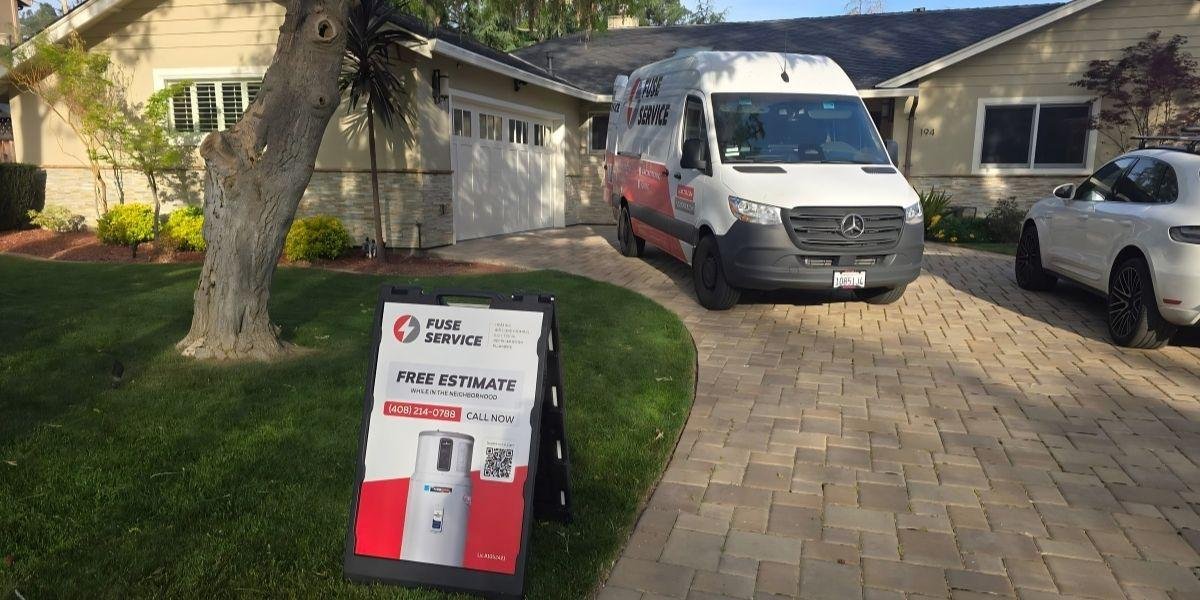
Here are seven areas every homeowner should check before the next major heat wave arrives, compiled together with the help of the experts at Fuse Service.
1. Your Air Conditioning System
Your AC will carry the biggest burden during extreme temperatures.
If you’ve noticed weak airflow, uneven cooling, unusual noises, or rising energy bills, these may be signs that your system needs attention. A professional inspection can identify issues before they become emergency repairs.
Even a simple filter replacement can significantly improve efficiency and airflow.
2. Your Air Filters
A dirty air filter forces your HVAC system to work harder than necessary.
Restricted airflow increases stress on equipment, reduces cooling performance, and can even contribute to frozen coils or premature component failure.
Most homeowners should inspect filters monthly during peak cooling season and replace them as needed.
3. Your Attic Ventilation
Attics can easily reach temperatures above 130°F during California summers.
Without proper ventilation, excessive attic heat transfers into living spaces below, forcing the air conditioner to run longer and work harder.
Checking attic ventilation and insulation can improve overall home efficiency and comfort.
4. Your Thermostat Settings
Many homeowners unknowingly make their HVAC systems work harder by constantly adjusting the thermostat throughout the day.
During heat waves, consistent thermostat settings often produce better results than repeatedly lowering temperatures in an attempt to cool the home faster.
Programmable and smart thermostats can also help manage energy use more efficiently.
5. Your Electrical System
Modern homes place tremendous demands on electrical systems.
Air conditioners, EV chargers, home offices, smart devices, and appliances all compete for power during the summer months. Older electrical panels may struggle to handle increased loads, particularly during periods of extreme heat.
If you’ve experienced flickering lights, tripped breakers, or other electrical issues, it may be worth scheduling an inspection.
6. Your Plumbing System
Heat doesn’t only affect cooling equipment.
Outdoor plumbing components, exposed pipes, irrigation systems, and water supply lines can also experience additional stress during prolonged periods of high temperatures.
Inspecting for leaks and ensuring irrigation systems are operating efficiently can help prevent water waste and costly repairs.
7. Your Backup Power Plan
Extreme heat can increase strain on local power grids, leading to outages during periods of peak demand.
Homeowners should consider what happens if cooling systems lose power during a heat wave. Portable generators, standby generators, battery backup systems, and emergency preparedness plans can help protect comfort and safety during unexpected outages.
Don’t Wait Until the Forecast Turns Red
One of the biggest mistakes homeowners make is waiting until the first major heat wave is already underway before checking critical home systems.
By that point, HVAC contractors are often booked with emergency calls, replacement parts may be delayed, and repair costs can increase due to peak demand.
A little preparation today can help ensure your home stays comfortable, efficient, and reliable throughout California’s hottest days. As temperatures continue to rise year after year, proactive maintenance remains one of the smartest investments homeowners can make.