Modular construction is gaining ground in U.S. real estate, and it’s not just a passing trend. Developers, architects, and investors are turning to this method as a practical solution to long-standing challenges in the building industry. With housing shortages, labor constraints, and unpredictable costs continuing to affect projects across the country, modular construction offers a different way to build, one that’s faster, more predictable, and often more affordable.
At its core, modular construction involves creating sections of a building in a factory setting. These modules are then transported to the site and assembled like building blocks. It’s a shift from the traditional approach, where everything is built from the ground up on-site. While the concept isn’t new, its application in large-scale residential and commercial projects is expanding rapidly.
Speed and Efficiency Are Driving Interest
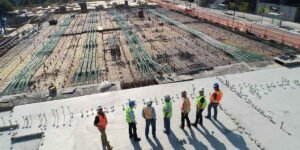
One of the most noticeable advantages of modular construction is how quickly projects can be completed. Because the modules are built off-site while the foundation and site work are happening simultaneously, the overall timeline is significantly reduced. In many cases, buildings are finished in half the time compared to conventional methods.

Photo Credit: Unsplash.com
This matters in places where demand for housing or commercial space is high and delays can be costly. Developers are often under pressure to deliver projects on tight schedules, and modular construction helps meet those deadlines without compromising structural integrity. It’s not just about speed for speed’s sake, it’s about keeping projects on track and avoiding the ripple effects of delays.
Cost Predictability and Material Savings
Budget overruns are a common frustration in construction. Weather delays, labor shortages, and fluctuating material prices can throw off even the most carefully planned budgets. Modular construction offers more control over these variables. Because modules are built in a controlled environment, there’s less exposure to weather-related damage and fewer interruptions.
Material waste is also reduced. In a factory setting, materials can be measured and cut with precision, and leftovers can be reused more easily. This not only lowers costs but also supports more sustainable building practices. While modular construction isn’t always cheaper upfront, the savings in time, labor, and waste often make it more cost-effective overall.
Adaptability Across Real Estate Sectors
Modular construction isn’t limited to one type of building. It’s being used for apartment complexes, hotels, office buildings, and even schools. The flexibility of the method allows developers to tailor designs to meet local codes and aesthetic preferences while still benefiting from the efficiencies of off-site fabrication.
In urban areas, where space is limited and construction can disrupt traffic and daily life, modular methods offer a quieter, faster alternative. Modules can be delivered and assembled with less noise and fewer road closures. This makes it easier to build in dense neighborhoods without causing major disruptions.
In rural or remote locations, modular construction helps overcome logistical challenges. Transporting materials and labor to these areas can be expensive and time-consuming. Prefabricated modules simplify the process, allowing buildings to be completed with fewer on-site resources.
Labor Shortages and the Need for Scalable Solutions
Labor shortages have been a persistent issue in the construction industry. Finding skilled workers for traditional building methods is becoming harder, and wages are rising as a result. Modular construction requires fewer on-site workers, which helps mitigate this challenge.
Factory-based construction also opens the door to more consistent training and safety standards. Workers operate in a controlled environment with repeatable tasks, which can improve productivity and reduce accidents. This doesn’t eliminate the need for skilled labor, but it shifts the focus to different roles and allows companies to scale projects more efficiently.
For developers managing multiple projects at once, modular construction offers a way to replicate successful designs across different locations. Once a module is designed and tested, it can be reproduced with minimal changes, saving time and reducing risk.
Quality Control and Building Standards
There’s a common misconception that modular buildings are lower in quality than traditional ones. In reality, modules are built to meet or exceed the same building codes and standards. Because they’re constructed in a factory, there’s more opportunity for inspections and quality checks throughout the process.
This level of control helps ensure consistency across modules, which is especially important in large-scale projects. It also reduces the likelihood of errors that can occur on busy construction sites. For developers and investors, this translates to fewer surprises and more confidence in the final product.
Some may feel hesitant about modular construction because it challenges familiar ways of building. It’s understandable to feel cautious about shifting to a method that looks and feels different. But the results speak for themselves. As more projects are completed successfully, the perception is changing, and modular construction is being recognized as a reliable option.
Prefab Buildings Are Becoming More Common
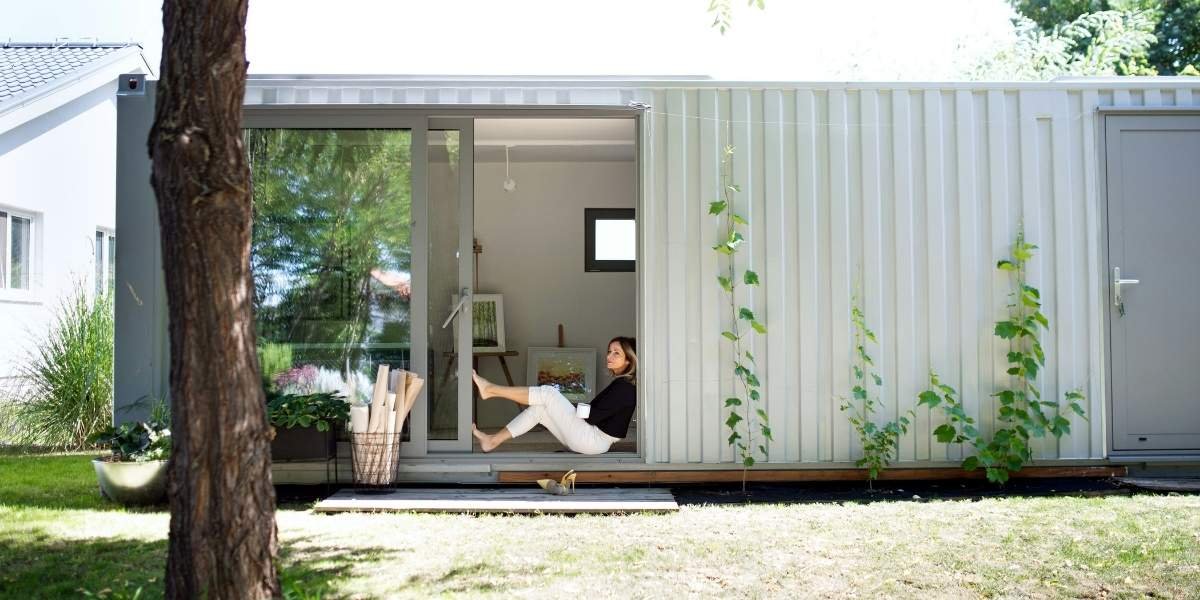
Prefab buildings, which are closely related to modular construction, are also gaining traction. These structures are built off-site and assembled on location, often using similar techniques. The terms are sometimes used interchangeably, though prefab can refer to a wider range of building components.
In both cases, the goal is to streamline the construction process and reduce the variables that can lead to delays or cost overruns. Prefab buildings are being used for everything from single-family homes to large commercial spaces, and their presence is growing across the U.S.
As more developers explore modular construction and prefab buildings, the industry is learning how to integrate these methods with traditional practices. It’s not an all-or-nothing shift. Many projects use a hybrid approach, combining modular elements with on-site customization to meet specific needs.
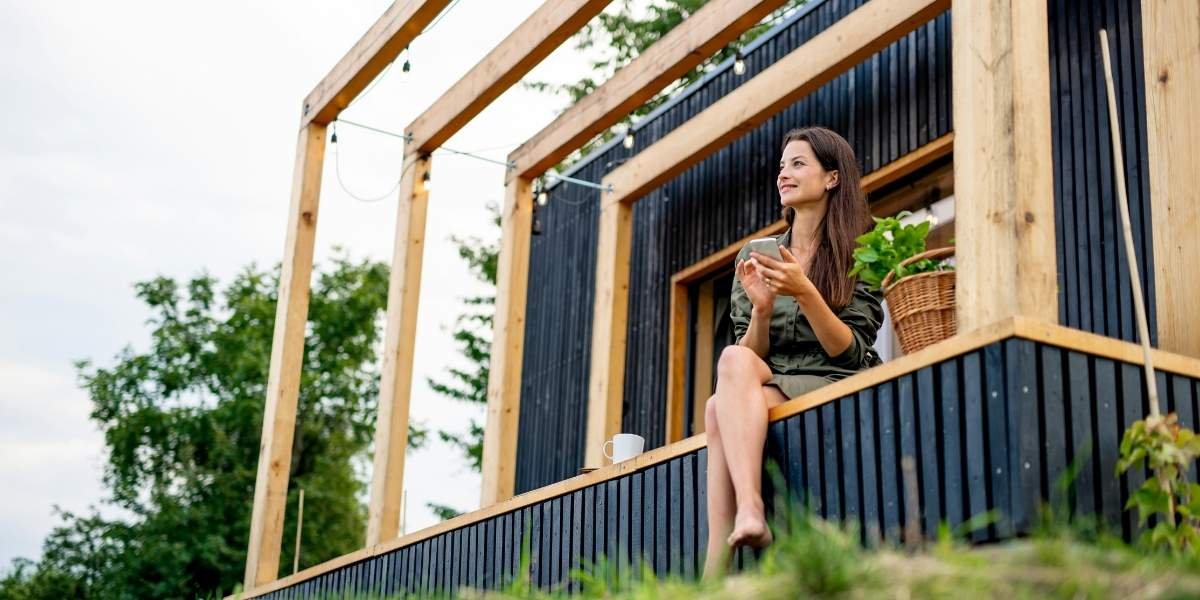
Photo Credit: Unsplash.com
Modular construction is gaining ground in U.S. real estate because it addresses real challenges with practical solutions. Faster timelines, more predictable costs, and adaptability across sectors make it an appealing choice for developers and investors. While it may not be the answer for every project, its growing presence suggests that it’s becoming a standard part of the building conversation.
For those who have struggled with delays, budget issues, or labor shortages, modular construction offers a different way forward. It’s not about replacing traditional methods entirely, but about expanding the toolkit and finding smarter ways to build. As the industry continues to evolve, modular construction is proving that it has a place in shaping how buildings are made.