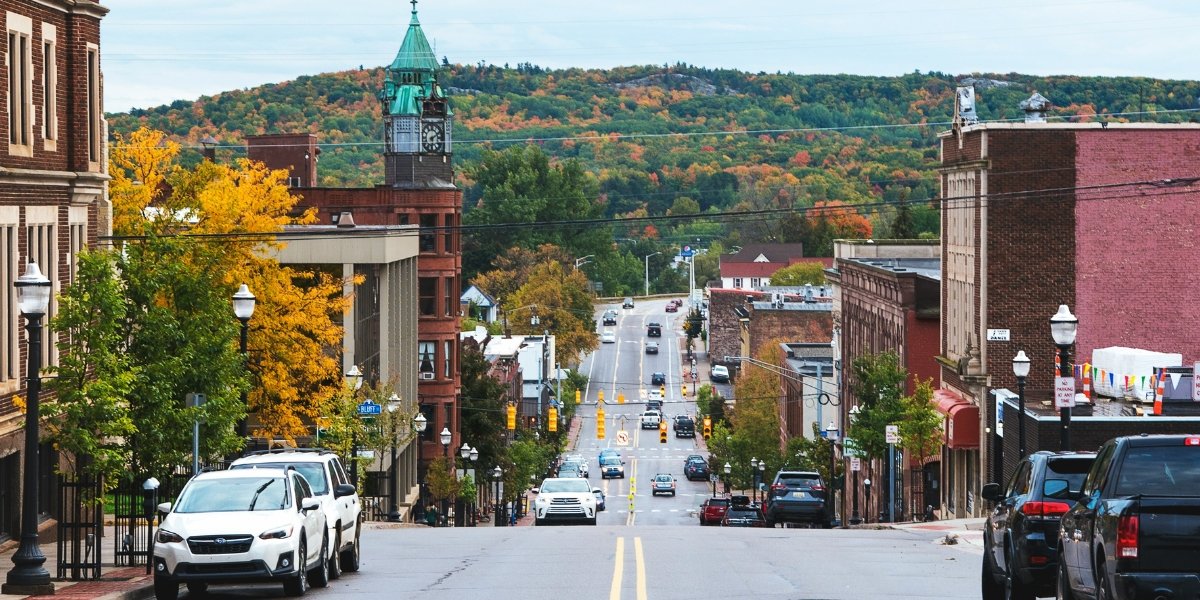
Urban infill is becoming a defining trend in the growth of mid-sized cities across the United States, and Midland, Michigan, is no exception. As cities like Midland continue to evolve, urban redevelopment projects are breathing new life into underutilized spaces, paving the way for future growth. The city’s newest mixed-use development project is an excellent example of this trend, reflecting broader national shifts in housing and commercial real estate.
The Midland Redevelopment: A New Chapter for Downtown
Midland’s latest urban infill project is transforming a former bank building into a vibrant mixed-use space, combining residential units, retail stores, and office spaces. This kind of redevelopment is becoming increasingly common in mid-sized cities, where developers are looking to inject life into downtown areas that may have been stagnating. By incorporating both residential and commercial spaces, the project will not only meet the growing demand for housing but also support local businesses and create a more walkable urban environment.
This new project will feature 25 residential units, designed to attract a mix of homeowners and renters. It will include for-sale townhomes, as well as rental apartments for those looking for more flexible living arrangements. In addition, the redevelopment will bring retail and office spaces to the heart of the city, offering opportunities for businesses and startups to thrive.
The development is part of a larger strategy to rejuvenate Midland’s downtown, making it a more appealing destination for residents, visitors, and businesses alike. By investing in urban infill, Midland is positioning itself as a key player in the ongoing evolution of mid-sized cities, where downtown redevelopment is seen as essential to future growth.
Urban Infill: A Key Component of Mid-Sized City Growth
Urban infill refers to the development of unused or underused land within an existing urban area, particularly in city centers or adjacent neighborhoods. As cities experience population growth and the demand for housing rises, these infill projects provide a way to meet the need for more homes without expanding outward into suburban or rural areas.
Mid-sized cities like Midland are increasingly looking inward for redevelopment opportunities, especially as land in the suburbs becomes more expensive and harder to find. By focusing on urban infill, developers are able to revitalize aging infrastructure, bring new life to underused properties, and boost the local economy.
According to experts, mixed-use developments like the one in Midland are essential for creating vibrant, walkable communities. These projects reduce the need for long commutes and create a better quality of life for residents. Furthermore, they provide businesses with exposure to the growing urban population and contribute to the long-term economic health of the city.
As the demand for housing continues to grow, urban infill projects also help to address issues like housing affordability and sustainability. By building on existing urban land, cities can reduce urban sprawl and preserve surrounding natural areas. Moreover, mixed-use developments are often designed with environmental sustainability in mind, utilizing green building techniques and promoting energy efficiency.
A Model for Other Mid-Sized Cities
Midland’s redevelopment project serves as a model for other mid-sized cities that are looking to revitalize their downtown areas. While larger cities may be able to invest in massive infrastructure projects, smaller cities like Midland often lack the financial resources to make such large-scale changes. However, urban infill offers a more cost-effective solution, as developers can make use of existing infrastructure and focus on improving specific areas that are underutilized.
Many mid-sized cities in the Midwest and across the U.S. are experiencing similar shifts toward urban renewal, with an increasing number of residential, commercial, and mixed-use developments planned or underway. For cities like Midland, these projects can be a way to capitalize on regional growth trends and position themselves as attractive destinations for both residents and businesses.
In fact, urban infill is becoming a key part of the larger revitalization strategy for mid-sized cities. As more people move away from congested metropolitan areas and seek affordable housing options, cities like Midland are well-positioned to take advantage of these changing preferences.
The Benefits of Urban Infill for Developers and Residents
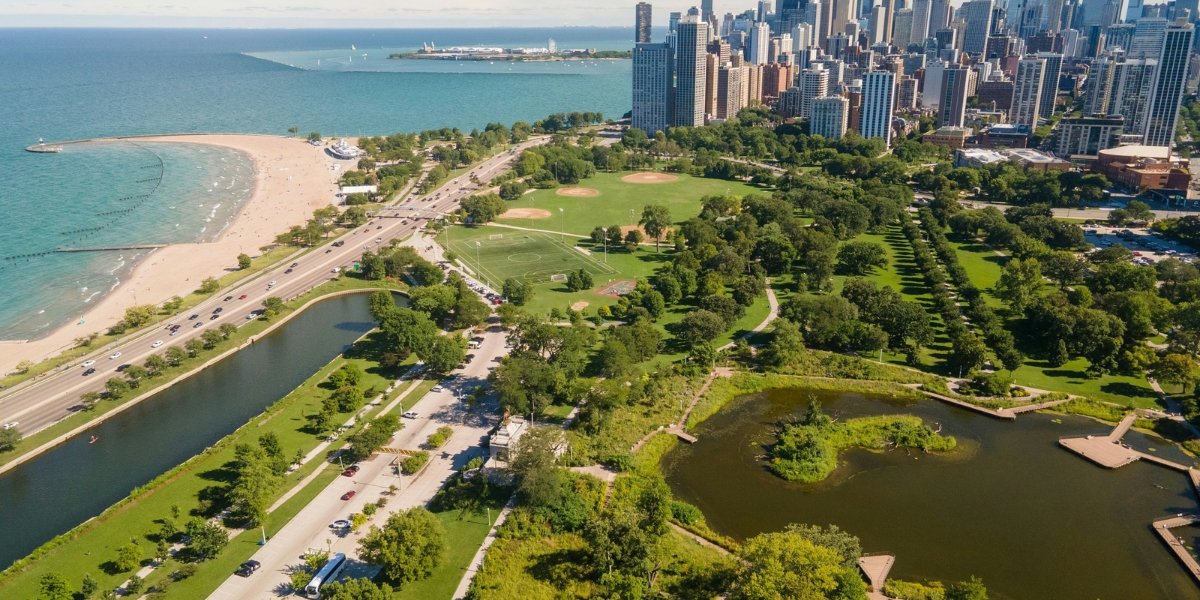
Photo Credit: Unsplash.com
For developers, urban infill projects offer several advantages over traditional suburban developments. One of the most significant benefits is access to an established infrastructure. Unlike developing on greenfield sites in suburban areas, infill projects make use of existing roads, utilities, and public services. This reduces development costs and timeframes while also minimizing environmental impact.
Additionally, mixed-use developments allow for greater diversification in property offerings. Developers can combine different types of residential, commercial, and retail spaces, making the project appealing to a broad spectrum of tenants and buyers. This kind of development also has the potential to attract both residential renters and business owners, making it easier to fill vacancies and keep the property profitable.
For residents, urban infill projects provide a variety of benefits. Access to amenities like restaurants, shops, and office spaces right outside the door is a significant draw. Additionally, these projects typically feature walkability, reducing the need for car ownership and encouraging a more sustainable lifestyle.
In terms of lifestyle, residents are more likely to enjoy the convenience of being located in the heart of a city with easy access to public transportation, cultural centers, and job opportunities. As more people seek to avoid long commutes and embrace the “live, work, play” model, urban infill developments offer a perfect solution to meet these demands.
A Future Focused on Urban Infill
Midland’s new mixed-use redevelopment is an exciting example of how urban infill can fuel growth in mid-sized cities. By transforming underused urban spaces into thriving communities with a mix of residential, commercial, and retail offerings, Midland is contributing to the broader trend of revitalization and urban renewal. As other cities follow suit, it’s clear that urban infill will continue to play a critical role in shaping the future of housing and commercial real estate in mid-sized cities.
For more on housing trends, be sure to check out our latest housing market report to keep up with key insights on property development and market shifts.