Home prices in the Northeast and Midwest are continuing their upward trajectory, with significant gains reported across key markets. While the national housing market shows mixed signs of slowing, these two regions are outpacing others in price growth, creating a complex environment for both homebuyers and investors.
Rising Home Prices: The Northeast & Midwest Surge
In recent months, home prices in cities like Boston, New York, and Chicago have shown substantial increases, despite the national trend of rising mortgage rates. According to a report from the National Association of Realtors (NAR), home prices in the Northeast jumped 4.8% year-over-year in Q3 2025. Meanwhile, the Midwest experienced a 5.1% increase, making it one of the fastest-growing regions in the U.S. for real estate.
Unlike the coastal areas, where home prices have seen a cooling effect due to high mortgage rates, the Northeast and Midwest are benefitting from several factors: lower inventory, growing job opportunities, and a shift in lifestyle preferences. These areas are becoming increasingly attractive to both first-time buyers and those relocating from pricier markets.
Tightening Affordability Amid Rising Prices
While home prices continue to climb, affordability is becoming a more significant issue. As of October 2025, the cost of homeownership in the Northeast consumed over 40% of the average household’s income, a significant increase compared to historical averages. The Midwest isn’t far behind, with many buyers struggling to navigate rising prices and limited availability of affordable homes.
The current affordability crisis is primarily driven by two factors: higher mortgage rates and low inventory levels. According to Freddie Mac, the 30-year fixed mortgage rate hit 6.22% in early November 2025, up from 5.85% just a few months earlier. For many potential homeowners, this increase in rates has meant higher monthly payments, narrowing their purchasing power. With fewer homes available in these regions, competition for listings has intensified, further driving up prices.
Mortgage Rate Hikes and Their Impact on Buyers
As mortgage rates continue to rise, prospective buyers in the Northeast and Midwest are facing tough choices. Many first-time homebuyers, who were already facing a competitive market, now find themselves priced out of desirable neighborhoods. Investors, on the other hand, are eyeing opportunities for rental properties, given the high demand for rental units in cities like New York and Chicago.
The mortgage rate increases are particularly challenging in these regions, where a higher proportion of buyers rely on conventional loans. For instance, in cities like Philadelphia and Cleveland, where home prices are rising but still remain below the national average, the additional cost burden of a higher mortgage rate is pushing homeownership out of reach for many.
Regional Shifts and Market Trends

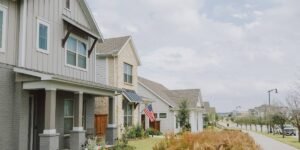
Photo Credit: Unsplash.com
Despite these affordability challenges, both the Northeast and Midwest continue to attract buyers. The lower cost of living in many areas, compared to high-priced coastal cities, and the rise of remote work are contributing to increased demand. People are looking for more space, better quality of life, and affordability — all of which these regions can offer.
Moreover, the surge in home prices isn’t just a temporary phenomenon. Many analysts believe that the ongoing growth in these areas will persist through 2025 and into the next year. Investors are keenly watching the rise in home prices, as well as shifts in the rental market. Areas such as Boston, Cleveland, and Minneapolis are seeing steady appreciation, making them prime markets for long-term investment.
Looking Ahead: Can Affordability Improve?
As 2025 moves forward, the central question for many homebuyers and investors in the Northeast and Midwest will be whether affordability will improve or continue to worsen. While rates are unlikely to drop sharply in the immediate future, there are some signs that inventory may increase as builders focus on meeting the growing demand. More homes on the market would likely lead to some relief for buyers, but whether prices will stabilize or continue to increase depends largely on broader economic trends, including employment and wage growth.
For those considering purchasing or investing in these markets, it’s important to stay informed about local zoning changes, housing policies, and the latest data on home prices. Being proactive and strategic is key to navigating these shifting market conditions.