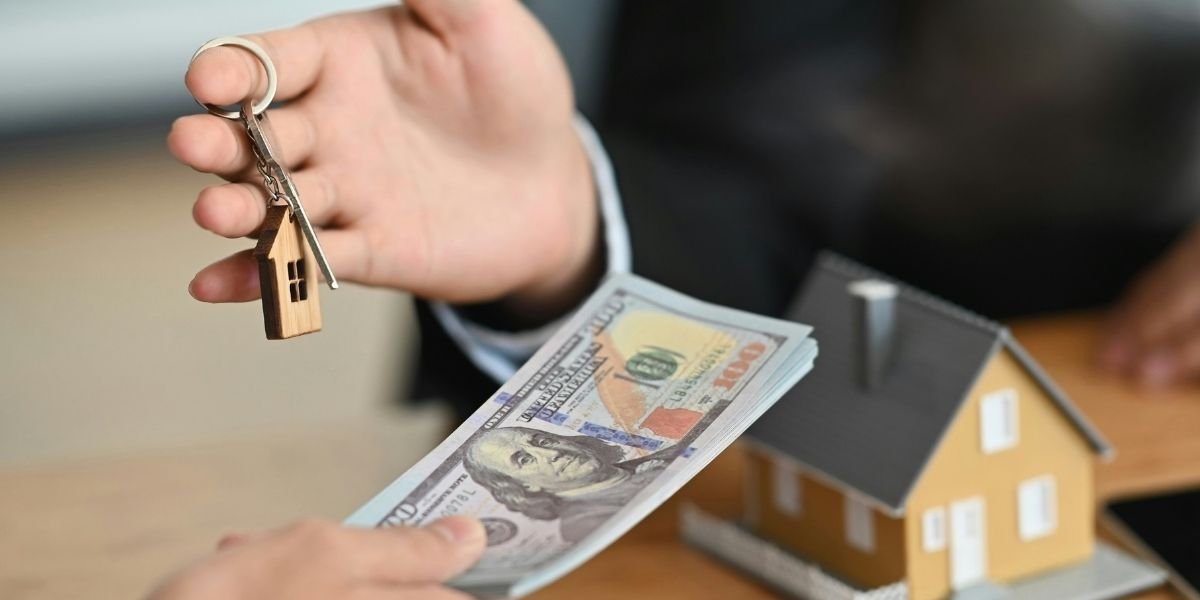
Manhattan’s real estate market closed 2025 with a significant trend: the rise of all-cash transactions. Over 60% of condo and co-op sales in the borough were completed without financing, marking the highest share ever recorded. This shift reflects the growing strength of wealthy buyers as they outpace those relying on traditional mortgages.
Cash deals have reshaped Manhattan’s housing market by giving buyers who can close quickly a distinct advantage. Sellers now prefer cash buyers, avoiding the delays of loan approvals. This preference is especially pronounced in luxury properties, where competition is fierce.
Manhattan’s housing market stands apart from the rest of the country, which continues to grapple with affordability. While many regions face struggles with financing, New York’s core market remains defined by liquidity and speed. The shift raises questions about the future accessibility of homeownership in the city.
Data Behind the Surge
Nearly two-thirds of Manhattan condo and co-op transactions in 2025 were completed all-cash. The first half of the year saw over 10,000 homes across New York City purchased outright, with Manhattan leading the trend. Neighborhoods like Harlem and Washington Heights saw more financed deals, but the overall trend in Manhattan was heavily skewed toward cash.
Interest rates have remained high, making it difficult for those reliant on mortgages to compete. Buyers with liquid capital are bypassing loans, exacerbating the gap between wealthy buyers and middle-class households. This has given affluent buyers an advantage, especially in high-demand areas.
International investors continue to drive the all-cash market, with many opting to avoid complications associated with financing. Their presence further solidifies Manhattan’s status as a global real estate hub. The preference for cash deals is particularly strong in the luxury sector, where quick and certain transactions are highly valued.
Why Cash Deals Matter
Owning property outright in Manhattan has become a symbol of financial strength and security. Cash buyers close deals quickly, reducing the risk of financing issues and making their offers more appealing. For sellers, the benefits of fast, reliable transactions make cash buyers an attractive option.
For the public, the rise of cash transactions highlights growing concerns about accessibility in Manhattan. As property values increase due to cash purchases, many potential buyers are left out of the market. This dynamic is shifting the market and affecting how homeownership is viewed in the city.
The trend also emphasizes the growing divide between wealthy buyers and those dependent on mortgages. With more buyers paying outright, the gap between luxury and affordable housing continues to widen. This trend could have long-lasting effects on the city’s housing landscape.
The Impact on Middle-Class Buyers
Mortgage-dependent buyers are finding themselves increasingly outbid in the Manhattan real estate market. These buyers often face slower processes, making their offers less appealing to sellers. As a result, many potential homeowners are left struggling to compete with all-cash buyers.
This imbalance has made affordability a growing concern for middle-class buyers in Manhattan. Property values have been pushed beyond the reach of many families, creating a barrier to entry for those who rely on financing. The result is a market that increasingly favors those with significant resources.
While neighborhoods outside Manhattan’s core still see more financed deals, the demand for properties in prime Manhattan areas continues to favor cash offers. This disparity further highlights the uneven playing field in New York’s real estate market. As Manhattan becomes more exclusive, middle-class families may need to look beyond the city for opportunities.
What’s Next for Manhattan’s Housing Market?
Experts predict that the dominance of all-cash deals will continue into 2026. Unless interest rates decrease significantly, financed buyers may struggle to regain their footing in the market. The trend will likely remain strongest in the luxury property sector, where speed and certainty are crucial.
This shift could reshape Manhattan’s real estate dynamics, with developers focusing more on affluent buyers. Meanwhile, middle-class households may turn to other boroughs or cities for more affordable housing options. The continued preference for cash transactions raises questions about the future of accessibility in Manhattan.
Manhattan’s housing market is increasingly defined by liquidity and global wealth flows. As cash buyers continue to dominate, the real estate market is likely to become more competitive and less accessible to average buyers. The question remains whether this trend will reshape the city’s identity and the future of homeownership.