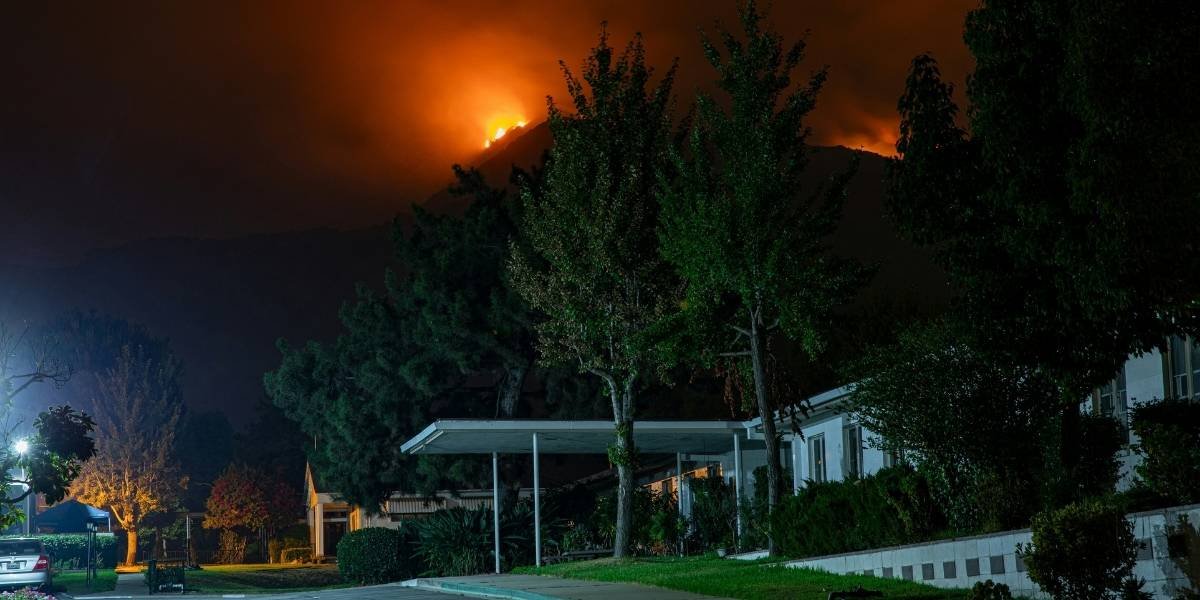
The 2025 Los Angeles wildfires caused extensive destruction across Southern California, leaving lasting impacts on homeowners and the insurance industry. With billions of dollars in damages, the fires have highlighted deep challenges within California’s insurance market, particularly in high-risk areas prone to wildfire damage. The wildfires have reshaped how insurers approach risk, coverage, and premiums, forcing both residents and providers to adapt to a new reality.
One year later, homeowners continue to face rising premiums, reduced coverage options, and prolonged recovery times. The aftermath has emphasized the vulnerabilities in the state’s property insurance system and has sparked debates on how to balance affordability and risk management in a state increasingly impacted by climate change. For many, securing insurance is now more difficult and expensive than ever before.
The financial toll of the wildfires is still being felt, with over $22 billion paid in claims to date. The insurance market’s struggle to meet the needs of California residents has made this one of the most significant stress tests for the state’s property insurance sector in recent history.
Rising Premiums and Shrinking Coverage Options
Since the 2025 wildfires, California homeowners have experienced a surge in insurance premiums, with many seeing increases of double digits or more. Homeowners in areas with high wildfire risk are facing skyrocketing costs, while some are even seeing their policies canceled altogether. These changes are a direct result of the heightened risk insurers now face, and insurers have adjusted premiums to maintain financial solvency.
Insurers argue that these premium hikes are necessary to cover the rising costs of wildfire damage and ensure their long-term viability. With the frequency and intensity of wildfires increasing, companies have adjusted their models to reflect this heightened risk. Some insurance regulators have allowed these rate changes, acknowledging the challenging environment for insurers in the wake of such widespread destruction.
For many residents, these increases are not just a financial burden but a source of anxiety. The higher premiums strain household budgets, while the limited coverage options leave homeowners uncertain about how they would fare in future disasters. As a result, insurance has become a central issue for many Californians as they navigate the rebuilding process and plan for the future.
Delays in Claims and the Strain on Homeowners
The scale of the 2025 wildfires meant that more than 42,000 claims were filed across the state. While $22 billion has been paid out to homeowners so far, many residents are still struggling with the claims process. Disputes over property valuations, repair costs, and other settlement issues have led to delays, leaving many people in temporary housing or still waiting for final payouts.
For homeowners, the prolonged claims process has become a major challenge. Insurance disputes and the complexity of managing such a high volume of claims have extended the recovery timeline for many families. Temporary housing has become a common issue for residents who lost their homes, with delays in repairs adding to their frustrations. Industry experts acknowledge the difficulties insurers face, but the slow pace of recovery continues to weigh heavily on those affected.
Despite the challenges, experts point out that large-scale disasters like these require careful attention and resources to ensure fair settlements. The strain placed on both insurers and homeowners highlights the systemic issues within the insurance market and the need for more efficient recovery procedures in future catastrophes.
Regulatory Response and Market Stability
In response to the wildfire crisis, California regulators have stepped in to provide relief and stabilize the market. The California FAIR Plan, the state’s insurer of last resort, has seen increased enrollment as homeowners struggle to find private coverage. Meanwhile, the California Department of Insurance has approved rate adjustments to help insurers remain financially viable in the face of mounting losses.
California’s Insurance Commissioner, Ricardo Lara, has described the regulatory adjustments as a balancing act. The goal is to maintain affordability for residents while ensuring insurers can cover potential losses from future disasters. These reforms reflect the growing urgency to address the challenges presented by climate change and more frequent, destructive wildfires.
The state’s actions underscore the need for long-term reforms to address wildfire risk. As wildfire seasons grow longer and more severe, California’s insurance market will need to adapt to these new realities, both in terms of coverage options and affordability. What happens in California may serve as a guide for other regions experiencing similar challenges due to climate-related events.
Stress on the Insurance Sector and Future Challenges
The wildfires of 2025 have exposed significant vulnerabilities in California’s insurance sector. Analysts have warned that the market faces mounting exposure as insurers struggle to keep up with climate-driven risks. The California FAIR Plan, which has seen an increase in coverage holders, has also become a point of concern, as its financial resources may be stretched thin.
Industry experts note that continued reforms will be necessary to stabilize the market and avoid insurers pulling back from high-risk areas. Without these adjustments, coverage options could shrink, leaving homeowners with fewer choices in the face of future fires. The issue is not just about costs; it’s about ensuring that residents can access the coverage they need to protect their homes and property.
For homeowners, the situation remains uncertain. The potential for future wildfires is ever-present, and the fragility of the insurance market adds to the anxiety felt by many who live in fire-prone areas. As the insurance market continues to evolve, residents and insurers alike must navigate a new normal that includes not just rising premiums but an increased understanding of the risks associated with climate change.
A New Reality for California Homeowners
The long-term impact of the 2025 Los Angeles wildfires is still unfolding. For many homeowners, rebuilding is no longer just about restoring their homes but about navigating a new insurance landscape marked by higher premiums, fewer options, and complex claims processes. The wildfires have underscored the growing challenge of securing affordable and comprehensive coverage in a state increasingly vulnerable to climate-related events.
Insurance in California has entered a new era—one defined by increased risk and adaptation. Homeowners now face the dual challenge of rebuilding their homes while managing the financial strain caused by rising insurance costs and reduced coverage options. The future of California’s property insurance market will depend on continued regulatory adjustments and a willingness to address the growing risks associated with wildfire seasons.
As Californians continue to adapt to the realities of climate change, insurance has become a central concern in recovery efforts. The fires of 2025 have left a lasting impact on both the landscape and the systems designed to protect it, forcing a reevaluation of how insurance can function in an increasingly volatile environment.