By: KeyCrew Media
With data center construction driving an increasing demand for labor nationwide and regional aerospace expansion opening up new development opportunities, Northwest Florida’s commercial real estate market is undergoing a transformation.
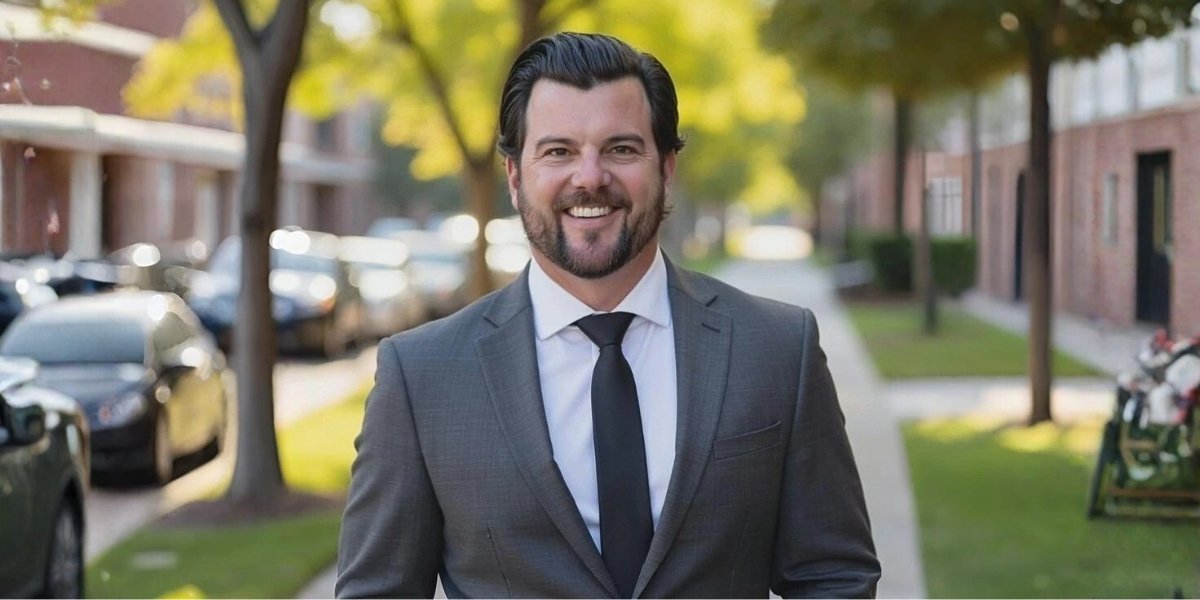
Northwest Florida’s commercial construction pipeline is signaling a significant shift in the region’s economic positioning, according to Kelvin Enfinger Jr., Vice President of Greenhut Construction and a prominent voice in the state’s commercial real estate sector.
Fresh off receiving dual project awards from NAIOP for the GE Vernova and Leonardo MRO hangar facilities, Enfinger’s firm is seeing firsthand how aerospace expansion, manufacturing growth, and technology infrastructure demands are reshaping development opportunities across the Florida Panhandle.
The Aerospace Catalyst
The Leonardo MRO hangar facility – which attracted Governor Ron DeSantis to its ribbon-cutting – represents more than a single project completion. It marks Northwest Florida’s emergence as a potential aerospace industry hub, creating ripple effects throughout the commercial real estate market.
“The Leonardo project led to a new facility in an aviation park, which created many new jobs and brought about new opportunities to Santa Rosa County,” Enfinger explains. The project’s recognition by NAIOP, the commercial real estate development association, reflects growing institutional interest in the region’s industrial and office sectors.
Economic development alliances throughout Northwest Florida are leveraging this momentum, successfully attracting new business and talent. “We’re seeing a significant amount of growth in the aerospace sector, as well as in other industries such as manufacturing, light manufacturing, and distribution,” Enfinger notes.
The AI Infrastructure Opportunity
While artificial intelligence may have the potential to automate many white-collar positions, Enfinger sees a counterbalancing opportunity for construction markets: growing demand for data center facilities. “We are seeing a notable increase in data center construction across the US,” he observes. “That creates new jobs and opens up new opportunities for contractors and workers.”
This infrastructure build-out is intensifying an already acute workforce shortage, making regions with available labor pools and industrial land increasingly attractive to developers. Northwest Florida’s combination of available industrial parks, infrastructure capacity, and quality-of-life amenities positions it favorably for these technology-driven projects.
Active Development Pipeline
Greenhut Construction‘s Q1 2026 project starts to illustrate the market’s momentum. The company is breaking ground on Gulf Winds Credit Union’s new headquarters in Pensacola and a state-of-the-art laboratory facility at the University of West Florida (Building 129).
The GE Vernova project—Greenhut’s second NAIOP award winner – highlights the region’s appeal for corporate facility upgrades. The project transformed a facility originally constructed over 60 years ago into Class A office space, with a unique legacy element: the building was originally constructed by the company founded by Greenhut president Ryan Greenhut’s grandfather three generations earlier.
Market Fundamentals
For investors and developers evaluating Northwest Florida opportunities, several factors support the growth thesis:
- Land availability: Significant industrial park acreage remains available for development, helping to avoid the supply constraints seen in many Southeast markets.
- Quality of life: Gulf Coast beaches and vibrant communities offer lifestyle amenities that may assist in corporate recruitment and retention, growing in importance as companies compete for talent.
- Infrastructure capacity: Unlike markets where utility capacity and transportation infrastructure struggle to keep up with development demand, Northwest Florida’s economic development planning has maintained adequate capacity.
- Workforce considerations: While skilled trades shortages affect all markets, the region’s lower cost of living may help with worker recruitment compared to higher-cost metros.
The Cost Reality
Enfinger offers a sobering perspective on construction cost pressures that should be taken into account when preparing development pro formas. “Workforce shortage is contributing to higher construction costs. It’s directly connected to that,” he cautions. While tariffs and material costs have been a dominant conversation, labor scarcity is also a significant cost driver as subcontractors compete for limited skilled workers.
This reality makes markets with active workforce development initiatives—like ABC Florida’s partnerships with technical colleges and apprenticeship programs—increasingly appealing for developers managing budget risk.
Regional Outlook
“I’m optimistic about what the future holds for this community,” Enfinger states. “Our industrial parks will likely continue to grow. We have a lot of land in Northwest Florida. We have many opportunities, and it’s a great place to live.”
For developers and investors seeking markets with growth momentum, available industrial land, and improving infrastructure, Northwest Florida’s combination of aerospace expansion, manufacturing diversification, and quality-of-life advantages may warrant serious consideration. The challenge, as always, will be execution amid ongoing workforce constraints and rising construction costs.