India’s real estate market continues to show resilience, maintaining strong demand across both residential and commercial sectors in 2025. With urbanization accelerating, shifting buyer preferences, and increasing interest from investors, the market is in a phase of dynamic growth. Whether you’re a homeowner, investor, or industry professional, understanding the current trends is essential for navigating the evolving landscape.
Residential Demand: A Market in Motion
India’s residential real estate market is seeing significant momentum, driven by a combination of factors that include evolving buyer behavior, demographic shifts, and government incentives. Major metropolitan areas such as Mumbai, Delhi, and Bengaluru remain at the heart of residential demand, but secondary cities like Pune and Ahmedabad are experiencing accelerated growth as well.
The growing desire for larger homes, especially in suburban and peripheral areas, has been one of the major shifts. The pandemic highlighted the need for more space, and this trend continues, with many people opting for properties that offer greater comfort and access to green spaces.
Furthermore, with mortgage rates stabilizing, the demand for residential property is expected to remain steady. India’s home loan market is one of the largest in the world, and despite the challenges posed by rising interest rates, government-backed schemes and a push towards affordable housing continue to support the sector’s growth.
Commercial Real Estate: A Booming Sector
On the commercial front, India’s real estate market is also experiencing a steady climb. Demand for office spaces, particularly in tech hubs like Bengaluru and Hyderabad, remains robust, driven by the growth of the tech and startup sectors. The office leasing market has witnessed a resurgence, especially for high-quality, flexible office spaces that cater to the growing need for hybrid working models.
The industrial and logistics real estate market is seeing significant demand, particularly with the rise of e-commerce and increased supply chain investments. The rise in demand for warehouses and distribution centers reflects the broader economic shifts in India, with companies increasingly investing in infrastructure to meet the growing demand for goods.
The commercial real estate sector in India continues to benefit from both domestic and international investments. Institutional investors, including Real Estate Investment Trusts (REITs), have poured capital into India’s commercial properties, particularly in the retail and office sectors. With the government’s push for infrastructure development and business-friendly policies, India’s commercial real estate market is expected to thrive in the coming years.
Real Estate Investment Strategies: A Growing Focus on REITs
Real estate investment strategies in India are becoming more sophisticated, with a noticeable shift towards Real Estate Investment Trusts (REITs). REITs have garnered increasing interest from investors as they offer a more liquid way to invest in the property market. The introduction of India’s first REIT in 2019 opened doors for greater participation in the commercial real estate sector, and more REITs are expected to emerge as regulatory frameworks evolve.
The ongoing rise of institutional investment in Indian real estate, particularly in commercial properties, is a clear indicator of the market’s maturity. With the country’s vast demographic dividend, urbanization, and improved regulatory framework, real estate investors are keen on tapping into both residential and commercial assets.
Government Initiatives Fuel Growth

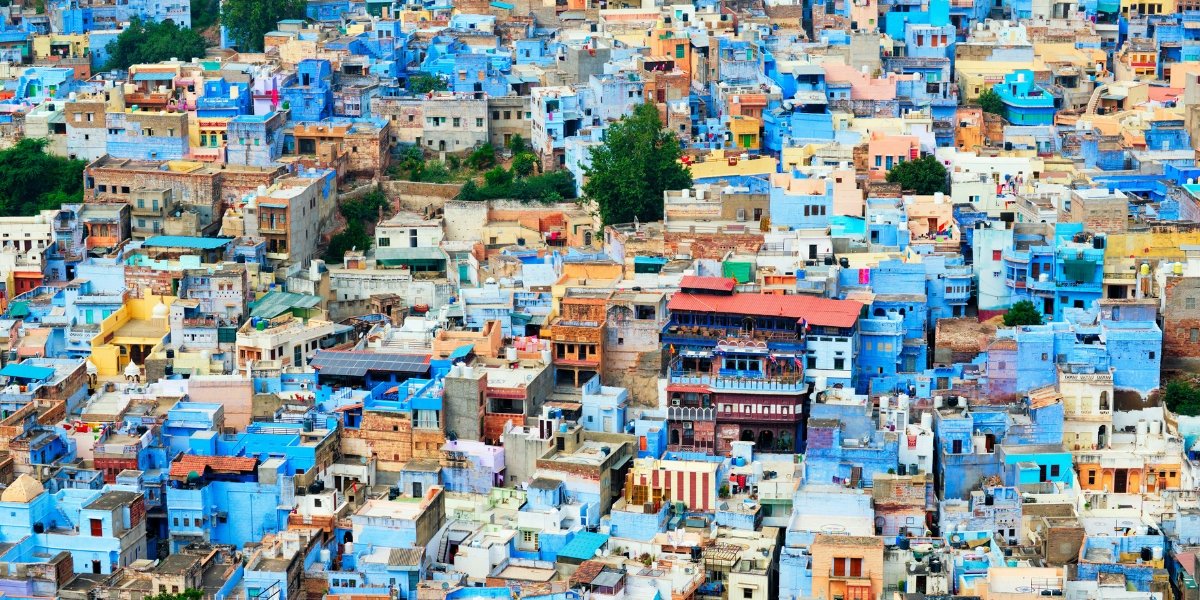
Photo Credit: Unsplash.com
The Indian government has been proactive in introducing policies that favor real estate growth. Initiatives like the Pradhan Mantri Awas Yojana (PMAY) are specifically designed to promote affordable housing, and the impact of such schemes is evident in the increasing demand for homes, particularly in Tier 2 and Tier 3 cities.
Tax incentives for developers and buyers, such as deductions on home loan interest and affordable housing project incentives, have also contributed to this sustained growth. These measures, combined with the government’s push to boost infrastructure and streamline zoning laws, have created a conducive environment for both residential and commercial real estate to flourish.
Trends to Watch in 2025 and Beyond
Looking ahead, India’s real estate market is expected to remain a crucial part of the country’s economic growth. Key trends to watch include:
Smart Cities and Urban Infrastructure: The government’s continued focus on creating smart cities and improving urban infrastructure will drive demand for both residential and commercial properties.
Sustainability and Green Buildings: With increasing awareness about climate change and energy efficiency, green building certifications and sustainable practices are gaining popularity. This trend is particularly evident in commercial developments, where businesses are increasingly prioritizing eco-friendly spaces.
Evolving Buyer Preferences: As buyers seek more value for their money, expect an uptick in demand for ready-to-move-in homes, homes with premium amenities, and properties with a strong investment value.
Digitalization of Real Estate: With the rise of technology in real estate, platforms offering virtual tours, online property valuations, and even digital property transactions will shape the future of buying and selling property in India.
India’s real estate market, both residential and commercial, continues to grow steadily, supported by a solid foundation of economic fundamentals and increasing demand across the board. Whether you’re a first-time homebuyer or an investor looking for the next opportunity, the future of India’s property market looks promising.