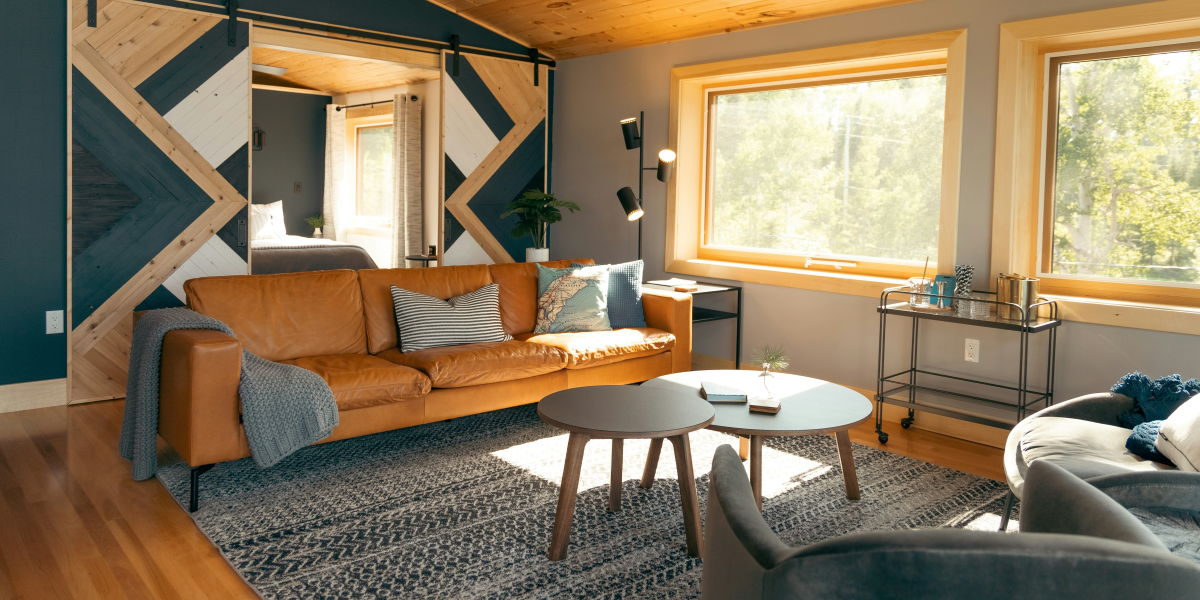
Walls whisper to the brains in a secret chromatic language. That blush-pink bedroom doesn’t just look pretty—it slows heart rates. The energizing yellow home office? More than just cheerful decor. Interior spaces wield psychological influence through color, transforming blank canvases into mood-altering environments. Understanding this color science helps craft rooms that don’t just dazzle the eye but nurture the mind.
Read also: Creating a Mindful Home: Simple Practices for Intentional Living
The Mood Spectrum: How Colors Influence Emotion
Warm hues (reds, oranges, yellows) operate like visual caffeine. Terracotta accents in a dining room stimulate appetite and conversation—a trick restaurants have used for decades. But there’s a catch: overdoing fiery tones in small spaces can trigger restlessness. Designers often use them strategically—a single burnt-orange wall behind a workspace boosts creativity without overwhelming.
Cool tones (blues, greens, lavenders) function as nature’s chill pills. Pale blue bedrooms consistently rank highest for sleep quality, mimicking twilight’s natural sedative effect. Deeper teals and emeralds in living spaces promote relaxed focus—ideal for book nooks or meditation corners. The sweet spot? Balancing cool backdrops with warm wood tones or metallics to avoid sterile vibes.
Neutrals aren’t just safe bets—they’re mood chameleons. Warm greige (gray + beige) offers zen-like neutrality for stress-prone areas like home offices. Pure whites amplify natural light but risk feeling clinical without texture—think linen curtains or rattan accents. Dark charcoal walls surprisingly don’t depress—when paired with ample lighting, they create cozy, womb-like intimacy perfect for home theaters.
Practical Color Wizardry for Real Homes
Lighting dramatically alters color perception. North-facing rooms with cool natural light benefit from creamy yellows that simulate sunshine. South-facing spaces drenched in warm light can handle moodier blues without feeling chilly. Smart bulbs with adjustable color temperatures let residents tweak a room’s vibe hourly—bright whites for morning productivity, amber glows for evening wind-downs.
Color flow between rooms impacts psychological transitions. A high-energy kitchen in sunflower yellow flows better into a muted green dining room than a jarring shift to cobalt blue. Many designers use a 60-30-10 rule: 60% dominant hue (walls), 30% secondary (furniture), 10% accent (decor)—creating visual rhythm that feels intentional rather than chaotic.
Unexpected applications maximize impact. Painting a ceiling pale blue (a historic Southern design trick) creates an illusion of open sky. Front doors in bold hues (think deep plum or olive green) subconsciously signal personality before guests enter. Even closet interiors benefit from color psychology—soft pinks or blues in walk-in wardrobes make morning routines feel more serene.
Cultural color associations matter in diverse households. While white symbolizes purity in Western cultures, it represents mourning in some Eastern traditions. Multigenerational homes might blend these understandings—perhaps through white walls accented with vibrant textiles that honor heritage while creating uplifting spaces.
The magic happens when color serves function. Home gyms thrive with energizing coral or peach tones that boost workout stamina. Children’s study areas benefit from green accents that enhance concentration. Senior living spaces often incorporate warm, mid-tone colors that compensate for age-related vision changes while maintaining sophistication.
Testing colors properly prevents regrets. Painting large poster boards and moving them around a room at different times reveals how light transforms shades. Digital color apps now use augmented reality to preview wall colors, but they often oversaturate—real swatches still reign supreme for accuracy. The bravest decorators might try “color drenching”—using a single hue on walls, trim and ceilings for immersive cocooning effects.
Color psychology isn’t about rigid rules—it’s about intentional choices. A moody black bathroom might sound depressing until paired with excellent task lighting and lush greenery, creating a luxurious spa vibe. That “happy yellow” kitchen might overwhelm if not balanced with natural wood tones. The most successful spaces treat color as an interactive element—something that serves inhabitants’ emotional needs rather than just following trends.
In the end, walls do more than divide spaces—they shape daily experiences. Whether calming nerves with whisper-soft lavenders or sparking creativity with zesty lime accents, thoughtful color choices transform houses into mood-enhancing homes. The best palettes don’t shout for attention but quietly support how people want to feel in each room—proving that sometimes, the most powerful design element isn’t furniture or layout, but the paint on the walls.
Read also: Bringing Nature Indoors: How to Use Natural Elements in Home Decor