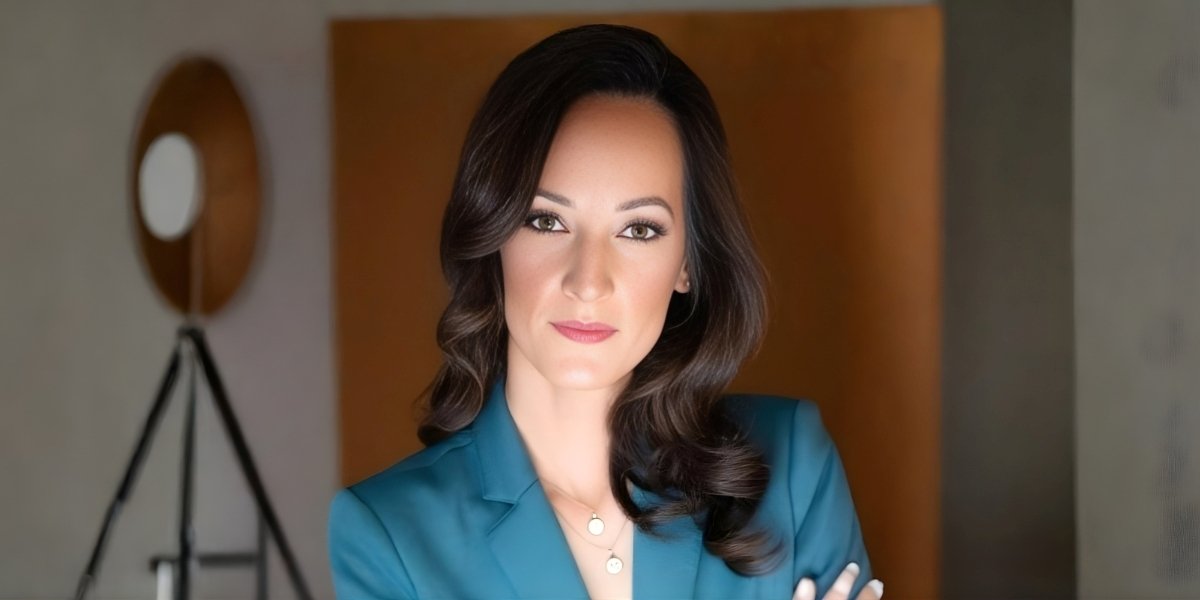
By: Heather Hook, KeyCrew Media, heather@keycrew.co
Developer strategies evolve as land prices and construction expenses reshape project feasibility
The economics of retail development transformed significantly over the past two years as multiple cost pressures converged. Land acquisition prices climbed across growth markets, construction expenses increased substantially, and capital access became both more expensive and more restrictive. Single-tenant ground leases that previously penciled comfortably now struggle to meet developer return thresholds.
The response emerging across multiple markets involves a fundamental reimagining of project scope. Rather than dedicating entire parcels to individual tenants, developers increasingly structure deals around two complementary concepts sharing site costs and infrastructure investments.
Brittany Megrath of M Square Commercial tracks this evolution through her client’s active development pipeline spanning New Jersey, Pennsylvania, Southern Louisiana, and other southeastern markets. The shift reflects pragmatic responses to changed economic conditions rather than strategic preference.
“Instead of just placing one tenant on a property, because land costs are so high, cost of capital is so high, construction is so high, we’re seeing some of our clients lean towards a little bit larger property and having two tenants that can fit on the property,” Megrath explains. “That makes the numbers look a little bit friendlier and a little bit easier to get across the finish line.”
Tenant Size Reductions Create New Possibilities
This multi-tenant strategy gained practical viability as retail operators simultaneously reduced their physical footprints. National and regional chains across multiple categories now seek smaller spaces than historical standards, driven by operational efficiency improvements and evolving customer preferences favoring convenience over extensive selection.
Recent M Square transactions demonstrate this diversity across tenant categories. Dutch Bros – with a roughly 1,000 sf building, 7 Brew coffee is on track to open two additional locations in Southern Louisiana this year, with a prototype building less than 600 sf in size. New projects are being planned for development with concepts commonly known as freestanding moving towards end cap drive-thrus and multi-tenant buildings.
Specialty Beverage Concepts Drive Expansion
M Square is seeing accelerating demand for beverage-focused retail concepts beyond traditional coffee chains. Specialty tea retailers, sparkling soda shops, and other beverage-driven operators pursue aggressive expansion strategies targeting drive-through locations with small footprints and high transaction volumes.
“We’re seeing tea concepts pop up where it’s a free-standing drive-through business that offers an assortment of teas,” Megrath notes. “We’re seeing other beverages that are sparkling sodas, different flavors, and then they’ll come with a small menu of snacks.”
The economic profile of these concepts aligns well with dual-tenant development strategies. Small footprints minimize land requirements, while high-volume drive-through formats generate revenue density that supports premium rents. Developers can pair beverage concepts with complementary tenants while maintaining attractive project-level returns.
Southeastern States Attract Concentrated Interest
Geographic preferences among M Square’s developer clients show strong consistency around southeastern target markets. Georgia, South Carolina, and Florida attract disproportionate interest driven by population growth and tax structures that favor real estate investment.
Florida particularly demonstrates robust demand reflected in pricing premiums. Completed retail assets trade approximately 75 basis points higher in Florida than similar properties elsewhere. Tax advantages contribute to this premium alongside demographic growth and economic diversification.
“A lot of people want to be in the southeast right now,” Megrath observes. “That has also increased competition. You’re negotiating against different parties for the same piece of property.”
Retail development activity follows residential construction patterns as population increases drive service demand. New subdivisions and apartment communities generate needs for grocery stores, pharmacies, quick-service restaurants, and other essential services.
“Retail follows residential,” Megrath notes. “As residential starts to build, residential brings the people, and then retail goes where the people are.”
M Square targets approximately 30 – 40 annual transactions across its development, tenant representation, and advisory activities. Recent closings span retail, fitness, food service, and professional services, reflecting diverse developer client needs and geographic preferences.
About M Square Commercial
M Square Commercial provides development services, tenant representation, and lease advisory for retail and service-oriented properties. Brittany Megrath leads development and leasing operations serving national and regional retail concepts, pursuing expansion across growth markets nationwide.
Media Contact:
Heather Hook
KeyCrew Media
heather@keycrew.co
Disclaimer: The content of this article is for informational purposes only and does not constitute financial, investment, or legal advice. The views and strategies discussed reflect the perspectives of Brittany Megrath and M Square Commercial in the context of current market trends and conditions. Readers should conduct their own research or consult with a qualified professional before making any financial or investment decisions.