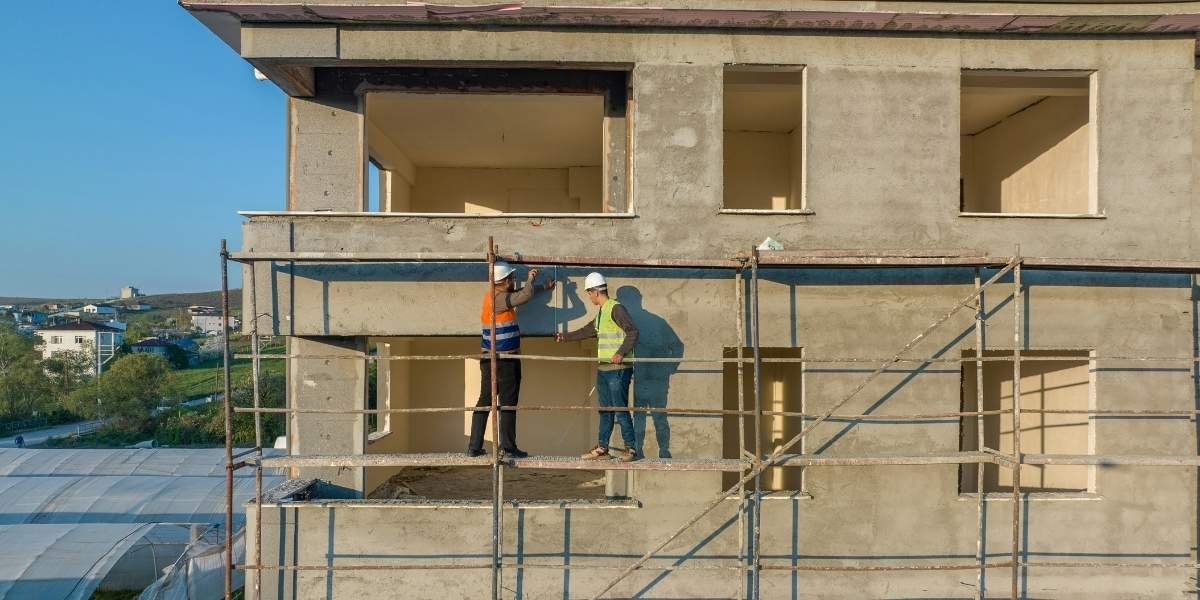
Sydney unfinished homes are increasingly appearing on the market as homeowners facing higher construction expenses and financing pressure attempt to sell partially completed renovation projects across several suburbs. Real estate agents in New South Wales reported a growing number of properties being listed before renovations are finished, with many owners unable to continue building work after construction budgets expanded beyond original estimates.
Listings involving incomplete extensions, stripped interiors, and half-finished rebuilds have become more visible throughout Sydney’s residential market during the first half of 2026. Agents operating in western Sydney, the Inner West, and parts of the Northern Beaches said buyers are now encountering properties advertised with unfinished kitchens, exposed framing, incomplete landscaping, and suspended construction approvals.
Several homes entering the market were originally purchased during lower interest rate periods when borrowing conditions were more favorable. Rising repayment obligations, labor shortages, and increased material costs have affected renovation timelines for many owners who began projects during the post-pandemic housing boom. Some homeowners have opted to sell rather than absorb additional construction expenses or refinance at higher mortgage rates.
Properties requiring completion work are attracting attention from investors, builders, and buyers seeking lower entry prices in areas where fully renovated homes remain expensive. Agents said some unfinished homes are being marketed specifically as redevelopment or value-add opportunities rather than traditional family residences.
Construction Costs Continue Affecting Residential Projects
The increase in partially completed properties comes as Australia’s residential construction sector continues facing elevated costs for labor and materials. Builders across New South Wales have experienced ongoing pressure tied to timber prices, subcontractor availability, and longer project timelines.
Industry groups have reported that renovation budgets prepared several years ago are frequently no longer sufficient to complete projects under current market conditions. Homeowners who secured financing based on earlier cost projections have faced additional borrowing requirements as expenses increased during construction phases.
Sydney’s detached housing market experienced strong renovation activity during the pandemic period, particularly in suburbs where owners sought larger living spaces or modernized layouts while spending more time at home. Many projects launched during that period are now reaching financial pressure points due to changing economic conditions.
Mortgage servicing costs have also shifted significantly since the Reserve Bank of Australia raised interest rates between 2022 and 2024 to manage inflation. Although rates stabilized more recently, many borrowers remain on higher repayments compared with the financing conditions available during earlier renovation planning stages.
Investors Target Properties Requiring Completion Work
Residential investors and smaller developers are increasingly monitoring incomplete homes entering Sydney’s housing market. Buyers familiar with renovation and construction management are positioned to take advantage of discounted prices attached to unfinished properties.
Some real estate professionals said investor demand has been strongest in suburbs where renovated housing stock remains limited or where redevelopment potential supports future resale value. Areas close to transportation infrastructure, schools, and commercial districts continue attracting attention despite renovation risk.
Properties with structural work already completed may appeal to buyers seeking shorter redevelopment timelines compared with full knockdown-rebuild projects. In certain cases, homes already containing approved extensions or completed framework can reduce administrative delays for incoming owners.
Agents noted that not all incomplete properties represent distressed sales. Some sellers are changing personal circumstances, relocating interstate, or adjusting financial priorities after beginning renovation work. However, listings involving suspended construction activity have become more common compared with previous years.
Buyers considering unfinished homes must still navigate planning approvals, contractor availability, and compliance inspections before completing projects. Legal and financial due diligence has become particularly important in transactions involving incomplete structural modifications or expired building permits.
Sydney’s competitive property environment has historically supported renovation-based investment activity, especially in suburbs with older housing stock. The emergence of more unfinished homes may create additional opportunities for buyers willing to assume project management responsibilities.
Housing Supply Constraints Remain a Market Factor
The increase in partially renovated homes entering the market comes as Sydney continues facing broader housing supply pressures. Population growth, migration demand, and limited new housing availability have contributed to continued competition across several property segments.
Detached housing inventory in established suburbs remains relatively constrained despite increased listing activity in some areas. Analysts have noted that even unconventional housing stock, including incomplete homes, may attract buyers seeking access to high-demand locations.
The Australian Bureau of Statistics previously reported fluctuations in dwelling approvals and residential construction activity as builders adjusted to financing and labor conditions. Delays affecting new housing delivery have contributed to longer completion timelines across multiple states.
Some buyers are considering unfinished properties because fully completed homes in comparable suburbs remain priced beyond affordability thresholds. Purchasing a property requiring additional work may provide a pathway into markets where renovated homes command premium pricing.
Construction sector instability has also influenced homeowner decision-making. Several building firms across Australia experienced insolvency pressures during recent years, leaving some renovation projects delayed or incomplete. Homeowners impacted by contractor disruptions have occasionally chosen to sell properties rather than restart construction arrangements.
Sydney’s property market continues showing varied conditions across different regions and price brackets. While some higher-end suburbs have maintained strong buyer demand, affordability pressures remain significant for middle-income households attempting to purchase upgraded housing.
Properties requiring completion work may occupy a growing niche between entry-level housing and fully renovated premium stock. Agents said buyers willing to invest additional capital after purchase are becoming more active in evaluating these opportunities.