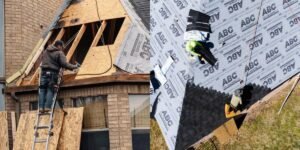
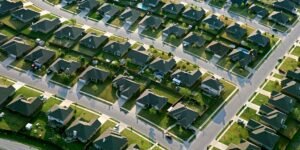
Living in Louisiana means your roof works harder than in most other states. With intense heat, high humidity, frequent heavy rain, and the constant threat of tropical storms and hurricanes, even high-quality roofing materials age more quickly here.
This reality makes one of the most common homeowner dilemmas even more critical: Should you repair your roof or replace it entirely? Making the wrong choice can lead to repeated leaks, higher long-term costs, or unnecessary expense.
This guide will help Louisiana homeowners understand the key differences, warning signs, and local factors to consider when deciding between roof repair and replacement.
Repair vs Replacement: Understanding the Basics
Roof repair involves fixing specific, localized problems, such as replacing a few damaged shingles, resealing flashing, or patching a small leak. It is generally quicker, less expensive, and less disruptive.
Roof replacement, on the other hand, means removing the existing roofing system down to the deck (or adding a new layer in some cases) and installing an entirely new roof. While more costly upfront, it provides a fresh start with modern materials, better warranties, and improved performance against Louisiana’s challenging weather.
The decision usually comes down to the age of your roof, the extent of the damage, and how well the rest of the system is holding up.
Signs That a Roof Repair May Be Sufficient
Not every issue requires tearing off the entire roof. Professional roof repair can be an effective solution in these situations:
- Isolated damage from a recent storm (a few missing or torn shingles)
- Minor leaks around vents, chimneys, or valleys that are caught early
- Cracked or lifted flashing
- Small areas of granule loss or curling on a relatively young roof
- Damage limited to less than 10–15% of the total roof surface
If your roof is under 12–15 years old and the underlying decking is in good condition, targeted repairs often restore protection and significantly extend the roof’s life.
When Replacement Is Usually the Smarter Choice
There are several clear indicators that a full replacement will serve you better in the long run:
- Your roof is 15–20+ years old (common for asphalt shingles in our climate)
- Widespread curling, cracking, or missing shingles across multiple areas
- Multiple leaks or previous repairs in different locations
- Visible sagging or soft spots indicating decking damage
- Two or more layers of existing shingles are already installed
- Granule loss is so severe that the shingles appear bald in large sections
In Louisiana’s humid environment, once moisture gets under the shingles in several places, hidden damage often spreads quickly to the plywood deck and attic.
How Louisiana’s Climate Affects Your Decision
High humidity, temperatures regularly exceeding 90°F, and annual rainfall over 60 inches take a heavy toll on roofing materials. Heat causes shingles to expand and contract, while trapped moisture promotes algae growth, rot, and premature failure.
Because of these conditions, roofs in Baton Rouge and across Louisiana typically have shorter lifespans than those in drier climates. Understanding how long does a roof last in Louisiana’s climate is essential when weighing repair against replacement. Most architectural asphalt shingle roofs last between 15 and 25 years here, depending on maintenance, ventilation, and exposure to storms.
If your roof is already approaching or past the 18-year mark and showing multiple signs of wear, repairing it may only provide temporary relief.
Cost Considerations and Long-Term Value
While repairs are cheaper in the short term, they can become expensive if you need them repeatedly. Homeowners should consider the “30% rule” commonly used by roofing professionals: if the cost of repairs exceeds 30% of the cost of a full replacement, it’s often more economical to replace the roof.
A full replacement also offers benefits such as improved energy efficiency, greater storm resistance, and longer manufacturer warranties, advantages that pay off over time in our harsh weather.
Making an Informed Decision
Other important factors include:
- Insurance coverage after storm damage
- Plans to sell your home in the next few years
- The quality of attic ventilation
- Your ability to handle potential future disruptions
The best approach is to have a trusted local roofing professional perform a thorough inspection. They can assess hidden damage that isn’t visible from the ground and provide clear recommendations based on your specific situation.
If your roof has reached the point where multiple issues are appearing and it’s nearing the end of its expected service life, residential roof replacement in Baton Rouge may be the most practical way to protect your home for the next 20+ years.
Louisiana homeowners face unique roofing challenges, but with the right information, you can make a confident decision that balances safety, cost, and peace of mind. Don’t wait until the next big storm forces your hand; evaluate your roof’s condition proactively.