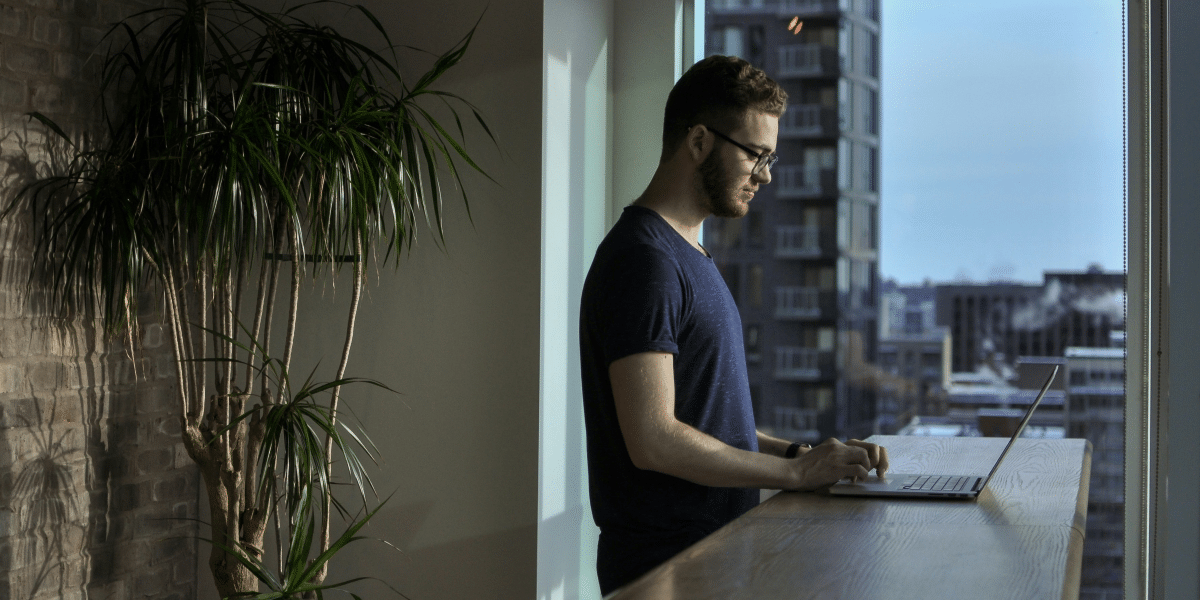
The traditional office environment has been undergoing quiet but significant changes in recent years. Work habits, technology, and employee expectations have combined to alter what businesses look for in commercial spaces. These shifts affect everything from building designs to lease agreements, creating new opportunities and challenges for property owners and tenants alike. The transformation isn’t about abandoning offices completely, but rather reimagining their purpose in an era where work happens in multiple locations.
Read also: Color Psychology in Interior Design for Mood-Enhancing Spaces
The Rise of Flexible Work Arrangements
Remote and hybrid work models have changed how companies utilize office space. Many organizations now maintain smaller headquarters while offering employees flexibility to work from home part of the week. This shift has led to increased demand for adaptable spaces that can accommodate fluctuating daily attendance. Offices designed for full capacity five days a week often sit partially empty under hybrid schedules, prompting businesses to reconsider their square footage needs.
Coworking spaces and shared office arrangements have grown in response to these changes. Rather than committing to long-term leases for dedicated offices, some companies opt for memberships that allow teams to use workspaces as needed. This approach provides access to professional environments without the fixed costs of traditional leases. Property owners have noticed this trend, with some converting portions of their buildings into flexible workspaces to attract tenants who want short-term commitments.
Office layouts continue evolving to support new ways of working. Open floor plans remain common but now often include more soundproof phone booths and small meeting pods for video calls. The ratio of collaborative spaces to individual workstations has shifted, with more emphasis on areas designed for team interactions rather than rows of desks. These changes reflect the growing view of offices as places for connection and collaboration rather than solitary task work.
Technology’s Role in Reshaping Work Environments
Advancements in workplace technology influence office design and location decisions. Reliable video conferencing systems have become standard in meeting rooms, reducing the need for extensive business travel. Buildings with robust digital infrastructure—high-speed internet, smart climate controls, and advanced security systems—command higher interest than older properties lacking these features.
Sensor technology and space utilization software help companies optimize their office footprints. These tools track how different areas get used throughout the week, providing data to inform workspace redesigns. A conference room that sits empty most days might become a flexible project space, while underused cubicles could transform into lounge areas. This data-driven approach allows businesses to right-size their spaces based on actual usage patterns rather than estimates.
Location preferences have shifted along with commuting patterns. Some businesses now prioritize offices near residential neighborhoods rather than central business districts, making it easier for employees to commute when necessary. Buildings near public transit hubs remain desirable, but the definition of a convenient location has broadened to include areas with lifestyle amenities like cafes and parks that support the blended work-life routines many workers now prefer.
Sustainability features have moved from nice-to-have to essential for many tenants. Energy-efficient systems, good natural light, and indoor air quality monitoring appeal to companies focused on environmental responsibility and employee wellbeing. Older buildings often require retrofits to meet these expectations, while newer constructions frequently highlight green certifications as key selling points.
The commercial real estate market continues adapting to these evolving demands. Some property owners offer more flexible lease terms, including shorter durations and built-in expansion or contraction options. Others provide customizable build-outs so tenants can tailor spaces to their specific hybrid work policies. These adaptations help buildings remain competitive as workplace norms keep changing.
Office amenities have expanded beyond traditional offerings like cafeterias and gyms. Buildings now frequently include coworking-style lounges, podcast studios, and even nap pods to accommodate diverse work styles. These features aim to give employees compelling reasons to commute when they could otherwise work from home. The focus has shifted from providing basic workspace to creating environments that foster creativity, collaboration, and company culture.
The relationship between physical space and company identity has changed. Offices now serve more as cultural hubs than mandatory daily destinations. Their design often reflects organizational values, whether through collaborative layouts, sustainability features, or technology integration. This symbolic function ensures the space maintains relevance even as the frequency of use changes.
Commercial real estate professionals monitor these trends closely, recognizing that the office of the future won’t simply revert to pre-pandemic norms. Successful properties will likely be those that offer flexibility, technological integration, and environments that justify the commute in an era of work-from-anywhere possibilities. The transformation presents challenges for property owners accustomed to traditional models but also creates opportunities to reimagine workspaces for a new era of business operations.
As companies and employees continue negotiating the balance between remote and in-office work, commercial spaces will keep evolving. The most adaptable buildings—those that can accommodate changing tenant needs and technological requirements—stand the best chance of remaining relevant in this transitional period. What remains clear is that the office isn’t disappearing, but its role in work life is being redefined in ways that reflect broader changes in how and where people work.
The future of office spaces appears headed toward hybrid models that blend physical and digital work environments. Buildings that successfully integrate flexibility, technology, and thoughtful design will likely thrive as businesses seek spaces that add genuine value to their operations and culture. This ongoing transformation represents not the end of offices, but rather their next phase of adaptation to the changing world of work.
Read also: Understanding the Importance of Home Staging